
5 Things to Check Before Buying a Mountain Bike with Shimano Gears

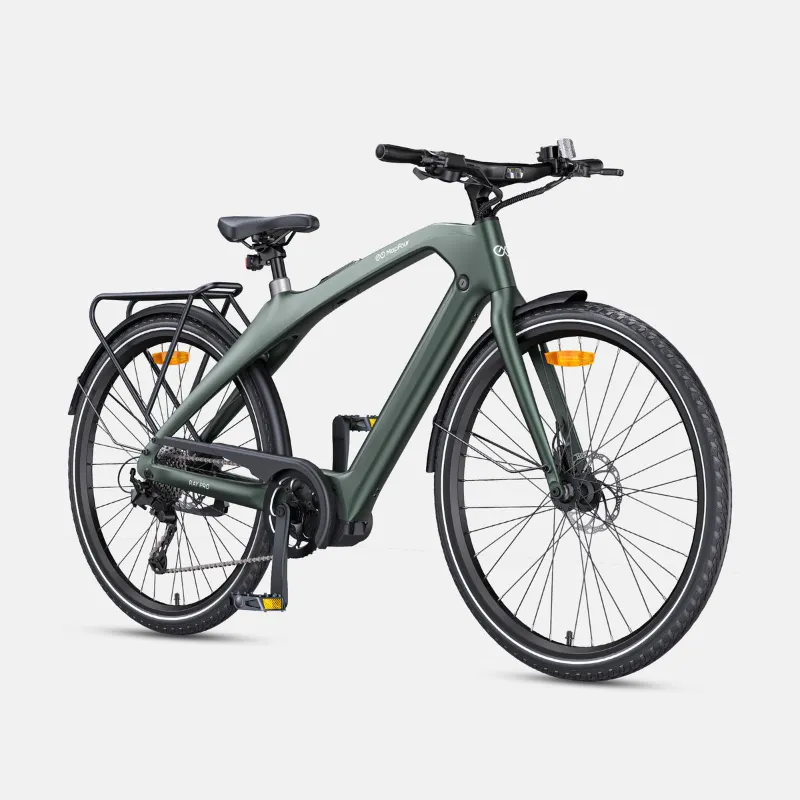
A bike mtb shimano delivers reliable shifting and proven durability, but you need to verify groupset tier, cassette range, frame compatibility, brake type, and your riding style before you commit. Shimano dominates the mountain bike market for good reason—its drivetrains are tested across everything from weekend trail rides to World Cup downhill courses. We've spent years testing bikes with Shimano components, and these five checks will help you avoid mismatched specs, upgrade headaches, and buyer's regret.
Confirm the Shimano Groupset Tier and Your Riding Demands
Shimano segments its mountain bike drivetrains into entry, mid, and high-performance tiers. Deore (10- or 11-speed) suits recreational trail riders who want dependable shifts without the premium price. SLX and Deore XT (11- or 12-speed) target enthusiasts who ride multiple times per week and need lighter weight with crisper indexing. XTR (12-speed) is the race-ready option with carbon and titanium parts, but most riders never need it.
Match the groupset to your frequency and terrain. If you ride groomed cross-country loops twice a month, Deore will outlast your patience. If you're climbing technical singletrack every weekend or racing enduro, SLX or XT justifies the cost through better mud clearance, faster shifts under load, and longer service intervals. Check which specific Shimano series the bike mtb shimano you're considering carries—retailers sometimes advertise "Shimano gears" without naming the groupset, which usually signals an entry-level Tourney or Altus setup that lacks the refinement of Deore and above.
- Deore: 10- or 11-speed, robust, affordable, ideal for weekend warriors
- SLX: 11- or 12-speed, race-inspired trickle-down tech, best value for frequent riders
- Deore XT: 11- or 12-speed, lighter materials, tighter tolerances, noticeable performance gain
- XTR: 12-speed, carbon and titanium, marginal gains for competitive racers
Avoid mixing groupset tiers (e.g., XT shifter with Deore derailleur) unless you understand compatibility charts; Shimano's pull ratios changed between 10-, 11-, and 12-speed generations.
Check Cassette Range Against Your Local Climbs
Cassette range—the difference between your smallest and largest rear cog—determines whether you spin comfortably up steep pitches or run out of gears. Modern Shimano mountain cassettes span 11-46T, 11-51T, or 10-51T. The wider the range, the easier the climbing gear, but you sacrifice some tight jumps between mid-range cogs.
If your trails feature sustained climbs above 15 percent gradient or loose, technical ascents, prioritize a cassette with at least a 46T or 51T largest cog paired with a single front chainring (1x drivetrain). A 32T or 30T chainring up front combined with a 51T cog delivers a bailout gear that keeps you pedaling when others walk. Flatter terrain or cross-country racing favors tighter ratios (11-42T or 11-46T) so you have more usable gears at speed.
Inspect the bike's spec sheet or ask the retailer which cassette is installed. Some budget builds pair a capable Deore shifter and derailleur with a lower-tier cassette to cut costs; swapping to a genuine Shimano cassette later is straightforward but adds expense. Grab the current price and our exclusive code to offset upgrade costs if you need to swap components after purchase.
Verify Frame and Derailleur Hanger Compatibility
Not every frame accepts every Shimano derailleur. Shimano's Shadow Plus and newer designs tuck the derailleur body closer to the chainstay for better ground clearance and crash protection, but they require a specific derailleur hanger geometry. Older frames or budget designs may lack a compatible hanger or position the derailleur too low for a wide-range cassette.
Before buying, confirm the frame ships with a Shimano-compatible hanger and that the derailleur cage length matches the cassette. Short-cage derailleurs (SGS designation) handle up to 11-42T cassettes; medium-cage (GS) and long-cage versions manage 11-51T. If the bike lists a 10-51T cassette but a short-cage derailleur, the spec is wrong or the shifting will be sloppy.
Also check boost spacing (148 mm rear, 110 mm front) versus standard (142 mm / 100 mm). Shimano hubs and drivetrains work with both, but aftermarket wheel upgrades become simpler when your frame uses the current boost standard. The mapfour and similar models from this retailer typically spec boost spacing, but always verify.
Inspect Brake Type and Rotor Size for Your Discipline
Shimano mountain brakes split into two families: two-piston (Deore, SLX MT520) for trail and cross-country, and four-piston (Deore XT, XTR, Saint) for enduro and downhill. Two-piston calipers deliver plenty of power for most riders and weigh less; four-piston calipers add modulation and heat management on long descents but cost more and require larger rotors.
Rotor size matters as much as caliper piston count. A 160 mm front / 160 mm rear setup works for lightweight riders on mellow trails. Aggressive trail and enduro riders should insist on 180 mm front / 160 mm or 180 mm rear. Downhill and e-MTB applications (like the e bikes nabenmotor category, which adds motor weight and speed) benefit from 200 mm or 203 mm rotors to dissipate heat.
| Riding Style | Recommended Rotor Size | Caliper Type |
|---|---|---|
| Cross-country / light trail | 160 mm F / 160 mm R | Two-piston |
| Trail / all-mountain | 180 mm F / 160–180 mm R | Two-piston or four-piston |
| Enduro / e-MTB | 200–203 mm F / 180–200 mm R | Four-piston |
Check the frame's maximum rotor size specification; some carbon frames limit rotors to 180 mm to prevent heat damage to the chainstay. If the bike you're eyeing ships with 160 mm rotors but your local descents are long and steep, budget for a rotor upgrade or choose a different model.
Match the Bike MTB Shimano Setup to Your Riding Style and Upgrade Path
A Shimano drivetrain is only as good as the frame, wheels, and geometry it's bolted to. Before you buy, test-ride or at least compare geometry charts to ensure the bike's reach, stack, and chainstay length suit your body and preferred terrain. A short-travel cross-country frame with Deore gears won't suddenly handle like a trail bike, and a long-travel enduro rig with XT won't pedal uphill like a race machine.
Consider your upgrade path too. Shimano's modular design lets you swap chainrings, cassettes, and even shift to a different groupset tier without replacing the entire drivetrain. If you're buying an entry-level bike with Shimano Deore, you can later upgrade to an SLX derailleur and shifter while keeping the crankset and cassette (as long as speeds match). This incremental approach spreads costs and lets you learn what improvements matter most to you.
Finally, factor in resale value. Bikes with name-brand Shimano drivetrains hold value better than house-brand or unbranded "Shimano-compatible" components. A well-maintained bike mtb shimano with Deore or better will attract serious buyers when you're ready to upgrade, while a bike with mixed or off-brand parts sits online longer. Check the latest discount and pricing here to maximize your budget and choose a bike that grows with your skills.
Care and Maintenance Tips for Shimano Drivetrains
Shimano gears are low-maintenance, but a few habits extend their lifespan and keep shifts crisp. Clean and lube your chain every 100–150 km or after wet rides; a dirty chain accelerates cassette and chainring wear. Use a dedicated drivetrain degreaser and a stiff brush to scrub the derailleur pulleys—they collect grime that causes sluggish shifts.
Inspect cable tension monthly. If shifts feel slow or skip gears, turn the barrel adjuster on the shifter or derailleur a quarter-turn counterclockwise to add tension. If the derailleur slams into the spokes or falls off the smallest cog, you've lost a limit-screw setting; re-index following Shimano's tech docs or visit a shop.
Replace the chain every 1,500–2,500 km depending on conditions. A worn chain wears the cassette teeth into shark-fin profiles, forcing an expensive cassette replacement. Use a chain-wear gauge and swap the chain at 0.5 percent stretch for 11-speed, 0.75 percent for 10-speed. Cassettes typically last two to three chain replacements if you stay on top of chain wear.
Budget builds sometimes use quick-link chains; genuine Shimano HG+ chains pair best with Shimano cassettes for smoothest shifting. If you're considering a model like the fahrrad loop or similar commuter-crossover bikes, the same maintenance rules apply—Shimano's touring and trekking components share design DNA with mountain groupsets.
Why We Trust Shimano and What to Avoid
Shimano has earned its reputation through decades of refinement, generous parts availability, and wide mechanic familiarity. Nearly every bike shop stocks Shimano cables, chains, and cassettes, so you're never stranded hunting for proprietary parts. Shimano's warranty support is straightforward, and the company publishes detailed service manuals for every component.
Watch out for "Shimano-equipped" bikes that mix one or two Shimano parts with unbranded derailleurs or shifters. These hybrids sacrifice the precision indexing and reliability that make Shimano worth choosing in the first place. Also avoid bikes with Shimano Tourney or Altus if you plan serious trail riding—those groupsets use older technology and heavier materials better suited to casual paths than technical singletrack.
When in doubt, ask the retailer for the complete drivetrain spec by name, not just "Shimano gears." A transparent spec list signals a quality build; vague marketing copy often hides cost-cutting. And always check our discount code page before finalizing your purchase—we negotiate exclusive offers that can fund a helmet, shoes, or that first cassette replacement down the road.
Frequently asked questions
Which Shimano groupset is best for a beginner mountain biker?
Shimano Deore (10- or 11-speed) offers the best balance of reliability, weight, and price for new riders. It delivers crisp shifts and long service intervals without the premium cost of SLX or XT, making it ideal for weekend trail riding and skill development.
Can I upgrade individual Shimano components later or do I need to replace the whole drivetrain?
Shimano drivetrains are modular within the same speed count. You can swap shifters, derailleurs, cassettes, or chainrings independently as long as they match speeds (e.g., all 11-speed or all 12-speed). This lets you upgrade incrementally and spread costs over time.
What cassette range do I need for steep technical climbs on a bike mtb shimano?
For sustained climbs above 15 percent or loose technical ascents, choose an 11-51T or 10-51T cassette paired with a 30T or 32T front chainring. This combination provides a bailout gear that keeps you pedaling when others have to walk their bikes.
How often should I replace the chain on a Shimano mountain bike drivetrain?
Replace your chain every 1,500 to 2,500 km depending on riding conditions and cleaning frequency. Use a chain-wear gauge and swap at 0.5 percent stretch for 11-speed systems or 0.75 percent for 10-speed to prevent expensive cassette and chainring wear.
Do I need four-piston Shimano brakes or are two-piston calipers enough?
Two-piston brakes (Deore, SLX MT520) provide ample power for trail and cross-country riding. Four-piston calipers add modulation and heat management for enduro, downhill, or e-MTB use, but cost more and require larger rotors to show their advantage.
What is the difference between Shimano Deore and SLX groupsets?
SLX offers lighter materials, tighter tolerances, and better mud clearance than Deore, with faster shifts under load. Deore remains highly reliable and durable but weighs slightly more. For frequent riders and competitive use, SLX justifies the cost; casual riders will find Deore more than sufficient.