
Are Synergee Ankle Weights or Wrist Weights Better for Walking, Pilates, and Rehab Workouts?

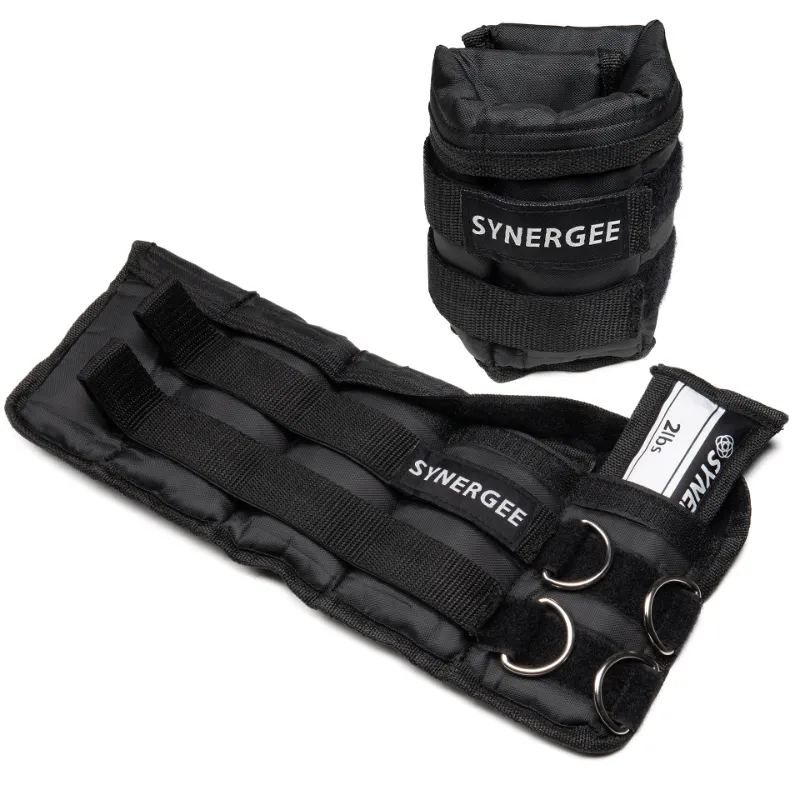
Ankle weights are usually the better choice if your workouts focus on lower-body walking drills, Pilates leg series, or rehab-style exercises, while wrist weights make more sense when you want to load the arms without changing foot mechanics as much. For most Synergee shoppers, ankle weights are the more versatile buy because they suit glute work, leg lifts, and controlled conditioning better than wrist loading does.
If you are comparing the two, the key question is not which one is universally better. It is which one matches your movement pattern, comfort, and training goal. If you also want the latest deal before you buy, grab the code.
When ankle weights make more sense than wrist weights
For walking, Pilates, and many rehab progressions, ankle loading is usually the more practical option because it places resistance where the leg is working. That said, adding weight far from the hip can change how a movement feels, so lighter loads and shorter sessions are usually smarter.
Choose ankle loading first if you want:
- More challenge during side leg lifts, donkey kicks, straight-leg raises, and standing abduction work
- Extra resistance for mat Pilates lower-body sequences
- A compact tool for home workouts when you do not need a full exercise bench or squat rack
- A way to progress controlled rehab-style drills after clearance from a clinician
Wrist weights can be the better fit if you want:
- More arm involvement during walks
- A lighter-feeling option for dance cardio or aerobic classes
- Less direct load on the lower leg during recovery
If you want background on how editors and testers compare these products, The 11 Best Ankle Weights of 2026, Tested is a useful overview.
Best use by workout: walking, Pilates, and rehab
The easiest way to choose is to match the weight position to the session you actually do most.
| Workout | Better pick | Why |
|---|---|---|
| Walking | Wrist weights for many users, ankle loading only with care | Ankle loading can alter stride, while wrist loading often changes gait less |
| Pilates | Ankle weights | Great for leg circles, lifts, and slow lower-body work |
| Rehab drills | Depends on the exercise plan | Placement should match the joint and muscle group you are retraining |
For walking, we are cautious. Some people like ankle weights 5 lbs for short sessions, but more load is not automatically better. If your stride gets choppy, your hips shift, or your knees feel stressed, switch to wrist weights or skip added load entirely.
For Pilates, adjustable ankle weights are often the sweet spot because they let you keep the resistance modest and movement quality high. This is where ankle weights can be especially useful.
For rehab, the best choice depends on whether you are rebuilding ankle control, hip strength, quad function, or arm endurance. This is one case where your physical therapist should lead the decision.
How to choose the right fit, weight, and style
The best pair feels secure without pinching, sliding, or bouncing. That matters more than chasing a heavier option like ankle weights 20 lbs or ankle weights 5 kg just because it sounds more advanced.
Look for these features:
- A snug closure that stays put through walking and floor work
- Even weight distribution so one side does not dig in
- Soft lining or smooth edges for comfort on bare skin or leggings
- Enough adjustability to layer over socks, leggings, or different training shoes
For most shoppers, adjustable ankle weights are the safer pick than a fixed heavy pair because you can build up gradually. If you are comparing Synergee with broad marketplace listings like ankle weights amazon, ankle weights walmart, or ankle weights decathlon, focus less on the retailer and more on comfort, closure quality, and how the load feels in motion.
If you are ready to buy from Synergee, check the latest price rather than relying on old listings or outdated comparisons.
Safety tips for walking and rehab use
This is where many buyers go wrong. The risk is not just the amount of weight. It is using the wrong amount for the wrong movement.
Use these guardrails:
- Start with short sessions, especially for walking
- Stop if you feel pulling at the knee, hip, or low back
- Use them for drills and intervals, not automatically for every mile or every class
- Keep your stride natural rather than forcing speed
- Ask your clinician before using them after injury or surgery
For general product context and examples of what shoppers often compare, The Best 6 Ankle Weights of 2026 is another helpful read.
A simple rule we use: if a weight changes your form before it increases useful muscular effort, it is too much or in the wrong place.
Who should buy Synergee ankle weights, and who should skip them
Synergee ankle weights are a strong fit for people who want a compact accessory for home training instead of a larger setup with tools like a roman chair, landmine attachment, or ez curl bar. They make the most sense if your routine includes Pilates, glute activation, rehab-style leg work, or short conditioning add-ons.
They are a good fit for:
- Home exercisers with limited space
- Pilates users who want more lower-body resistance
- Walkers using brief, careful intervals rather than long loaded sessions
- Rehab users following a specific plan from a qualified provider
They may not be the best buy if:
- Your main goal is heavy strength work
- You need progressive full-body resistance more than accessory loading
- You already know wrist loading feels better on your joints for cardio classes
If your goal is serious lower-body strength, a compact accessory will not replace bigger strength tools. In that case, a bench, rack, or barbell setup may be the better long-term investment. But if you want convenience, portability, and targeted lower-body challenge, ankle weights are the more useful choice for most people.
Our verdict
For walking, Pilates, and rehab-style training, ankle weights are usually better when the work is lower-body focused and the load stays light enough to protect form. Wrist weights still have a place, especially for walking if ankle loading changes your stride, but most Synergee shoppers looking for versatile home training will get more use from ankle loading first.
Before ordering, it is worth checking the current offer and availability on the Synergee discount code page. That gives you the latest store pricing and code details without relying on outdated numbers.
Frequently asked questions
Are ankle weights or wrist weights better for walking?
For most people, ankle weights make more sense when the goal is lower-body work during walking, but only if the load is light and the fit is secure. Wrist weights are usually easier to tolerate if you want added arm movement without changing your stride as much.
Can I use Synergee ankle weights for Pilates?
Yes, if you want more challenge in leg lifts, glute work, and controlled floor exercises. Start light and focus on smooth reps, because Pilates benefits more from control than from chasing extra load.
Are adjustable ankle weights better for rehab?
Usually, yes, because rehab often requires small progressions rather than big jumps. The best option is the one that stays snug, does not rub, and lets you increase resistance gradually if your clinician approves it.
Do ankle weights help tone legs and glutes?
They can increase the challenge of movements that already target the legs and glutes, especially during slow, controlled reps. Results still depend on your full training plan, recovery, and consistency.
Should I buy ankle weights instead of other home gym gear?
That depends on your goal. Ankle weights are compact and useful for walking, Pilates, and rehab-style accessory work, while bigger tools like a bench or rack are better for heavy strength training.