

Understanding Arsenic And Does It Matter For Your Health
Arsenic and does it matter more than most people realize. This naturally occurring element ranks among the most dangerous contaminants in drinking water, linked to cancer, cardiovascular disease, and neurological damage. We tested filtration solutions and educational resources to help you understand the risks and protect your household from long-term exposure.
Arsenic enters groundwater through geological deposits and industrial pollution. Millions of wells worldwide exceed safe limits, yet the contamination remains colorless, tasteless, and odorless. Knowing what arsenic is and why it threatens your family is the first step toward cleaner water.
What Is Arsenic and Where Does It Come From
Arsenic is a metalloid element found in rocks, soil, and minerals across the globe. When groundwater flows through arsenic-bearing geological formations, it dissolves the element and carries it into wells and aquifers. Industrial activities like mining, smelting, and pesticide manufacturing also release arsenic into the environment.
Two forms dominate drinking water concerns:
- Inorganic arsenic – the more toxic variant, commonly found in groundwater and linked to serious health conditions
- Organic arsenic – less harmful compounds typically present in seafood, which the body processes and eliminates more easily
Countries with high groundwater arsenic include Bangladesh, India, Argentina, Chile, Mexico, and parts of the United States. Even low-level chronic exposure over years builds up in tissues and increases disease risk. The World Health Organization sets a guideline of 10 micrograms per liter, but many experts argue lower thresholds offer better protection.
Our que es arsenico educational resource walks you through chemical properties, health impacts, and detection methods in plain language.
Health Risks: Why Arsenic Matters for You and Your Family
Chronic arsenic exposure damages nearly every organ system. The EPA classifies inorganic arsenic as a Group A human carcinogen, meaning sufficient evidence confirms it causes cancer in people.
Documented health effects include:
- Skin lesions, discoloration, and keratosis after prolonged exposure
- Cancers of the bladder, lung, kidney, liver, and skin
- Cardiovascular disease, including hypertension and atherosclerosis
- Neurodevelopmental delays in children exposed in utero or early childhood
- Diabetes and metabolic disorders linked to arsenic interference with insulin pathways
Children face heightened vulnerability because their smaller bodies absorb contaminants more readily and their developing systems suffer lasting harm. Pregnant women exposed to arsenic risk passing the toxin to their babies, affecting cognitive development and immune function.
Testing your water remains the only reliable way to know your exposure level. Home test kits and laboratory analysis both work, though lab testing offers more precision. Once you confirm contamination, choosing the right filtration technology becomes essential.
Filtration Solutions: Removing Arsenic From Your Water
Not all filters remove arsenic effectively. Pitcher filters and basic carbon systems capture chlorine and sediment but leave dissolved metals untouched. For arsenic, you need specialized media or reverse osmosis.
Proven arsenic removal technologies:
| Method | Arsenic Removal | Best For |
|---|---|---|
| Reverse osmosis | 95–99% | Whole-home or under-sink systems |
| Activated alumina | 90–95% | Point-of-use filters |
| Iron oxide media | 85–95% | Well water with iron present |
Reverse osmosis forces water through a semipermeable membrane that blocks arsenic, lead, nitrates, and dozens of other contaminants. Maintenance involves replacing the membrane every 2–3 years and pre-filters every 6–12 months.
A quality filtro de carro offers portable arsenic reduction for households relying on well water or traveling to high-risk regions. These cartridge systems pair activated alumina or iron-based media with standard filter housings, giving you cleaner water without complex installation.
Check the latest pricing and grab our discount code to save 5% on filtration systems and replacement cartridges.
Testing and Monitoring Your Water Supply
Home test kits deliver results in 10–30 minutes, using colorimetric strips or digital meters to estimate arsenic concentration. These kits cost $15–$40 and work well for initial screening, though accuracy varies by brand.
Laboratory testing provides precise analysis down to 1 microgram per liter. County health departments often offer free or low-cost testing for private wells. Commercial labs charge $20–$50 per sample and return results within a week.
When to test your water:
- Immediately after moving into a home with a private well
- Every 1–2 years for wells in known arsenic zones
- After flooding, earthquakes, or nearby construction that disturbs aquifers
- When installing a new filtration system to confirm performance
Keep records of test results to track trends over time. Arsenic levels fluctuate seasonally as water tables rise and fall, so a single test may not reflect year-round exposure.
Practical Steps to Protect Your Household
Beyond filtration, simple habits reduce arsenic intake. Cook rice in extra water and drain it like pasta to remove up to 50% of arsenic absorbed during growing. Choose brown rice from regions with lower soil contamination, or rotate grains to limit any single source.
Bathing and showering in arsenic-contaminated water poses minimal risk because skin absorbs very little. The danger lies in drinking, cooking, and preparing infant formula with untreated water.
For families with confirmed high arsenic, consider these actions:
- Install a point-of-use reverse osmosis system at the kitchen tap for drinking and cooking water
- Use bottled water for infant formula until filtration is in place
- Replace policia de repuesto components in your filtration system on schedule to maintain removal efficiency
- Educate household members about which taps deliver filtered water
If you own a spa or hot tub, arsenic in fill water concentrates as water evaporates. A spastream pre-filter removes contaminants before they enter your system, protecting both equipment and bathers.
Where to Learn More and Take Action
Understanding arsenic and does it matter enough to test and filter starts with reliable information. Our que es arsenico guide compiles research from toxicology journals, public health agencies, and water quality experts into one accessible resource.
Local extension offices and health departments often provide free educational materials and can connect you with certified laboratories. The EPA maintains a database of public water system violations, searchable by ZIP code, though private well owners must test independently.
Investing in water quality pays long-term health dividends. Filtration systems range from $150 for basic point-of-use units to $2,000+ for whole-home reverse osmosis, but the cost pales against medical treatment for arsenic-related diseases.
Visit our coupon page to access the current 5% discount on filtration products and educational materials. We test and review every product we recommend, ensuring you get proven arsenic removal backed by independent verification.
Clean water is a right, not a luxury. Now that you understand what arsenic is and why it matters, you can take informed steps to protect your household from this invisible threat.
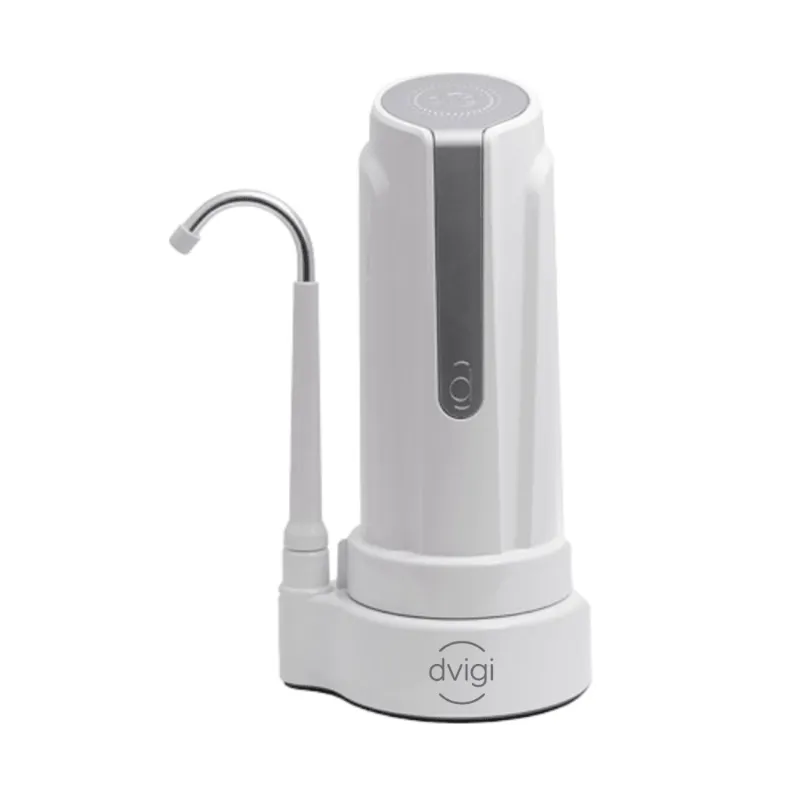
 Shopping at Dvigi Argentina? See today's verified Dvigi Argentina discount code
Frequently asked questions
How do I know if my water contains arsenic?
The only way to confirm arsenic in your water is through testing. Home test kits provide quick screening results, while laboratory analysis offers precise measurements. County health departments often provide free or low-cost testing for private wells.
Can a regular water filter remove arsenic from drinking water?
No, standard pitcher filters and carbon systems do not remove arsenic effectively. You need reverse osmosis, activated alumina, or iron oxide media to capture dissolved arsenic. A specialized filtro de carro or under-sink system works best.
What are the first signs of arsenic poisoning?
Chronic low-level arsenic exposure often shows no immediate symptoms. Over time, skin changes like discoloration and thickening may appear, followed by cardiovascular and neurological effects. Acute high-dose poisoning causes nausea, vomiting, and abdominal pain.
Is arsenic only a problem in well water?
Arsenic contamination is most common in private wells drawing from arsenic-rich geological formations. Public water systems test and treat for arsenic, though some older systems in high-risk areas still exceed safe limits. Testing is essential regardless of your water source.
How often should I replace arsenic filter cartridges?
Replacement schedules depend on your filter type and arsenic concentration. Reverse osmosis membranes last 2–3 years, while pre-filters and activated alumina cartridges need replacement every 6–12 months. Follow the manufacturer's guidelines and retest water periodically to confirm removal efficiency.
Does boiling water remove arsenic?
No, boiling water does not remove arsenic and actually concentrates it as water evaporates. Only filtration technologies like reverse osmosis or specialized media physically remove arsenic from drinking water.