
Is A MEEDEN Taboret, Storage Cabinet, Or Drafting Stool Worth It For Organizing A Home Art Studio?

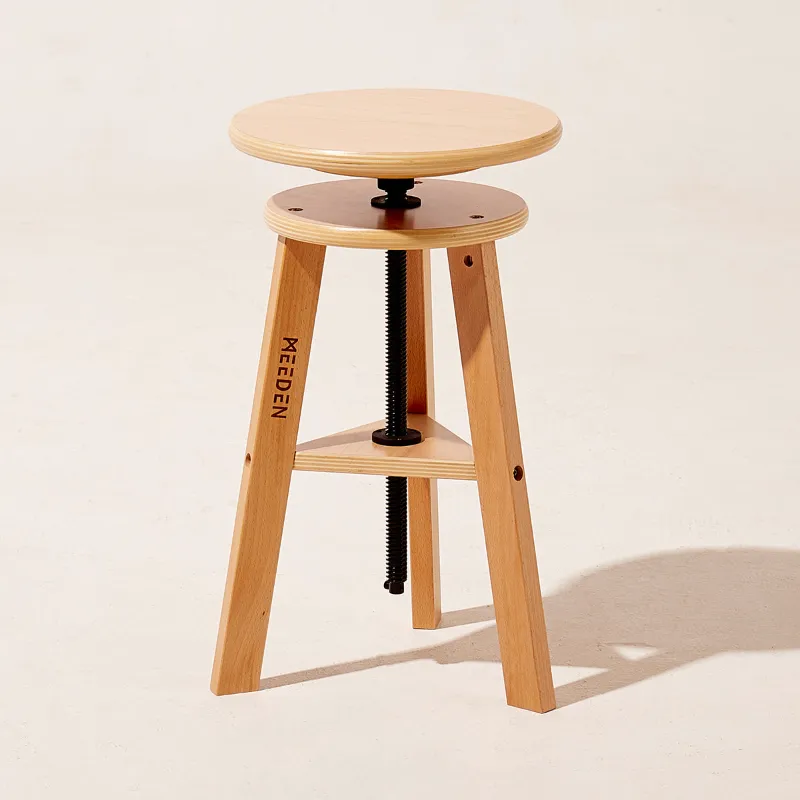
Yes, a MEEDEN art storage cabinet setup is worth it for a home art studio if you need faster access to supplies, a tidier workspace, and furniture that works together instead of fighting for floor space. For most home artists, the best value is not one item alone, but a practical combination such as a cabinet plus a drafting stool, a drafting table, or a drawing desk table, depending on how you actually paint or draw.
If you are comparing MEEDEN with generic storage, the real question is less about brand hype and more about workflow. A good studio setup should keep your paint kits, brushes, paper, oil pastels, and tools close enough to grab without turning every session into cleanup time. Before buying, it is also worth checking the current bundle pricing or promo on the MEEDEN coupon page.
When a MEEDEN art storage cabinet makes sense
A cabinet earns its place when your supplies are multiplying faster than your working area. If you are storing an acrylic paint set in one box, oil pastels in another, and sketch tools on a dining table, your problem is not just clutter. It is lost time and broken focus.
A good art storage cabinet is usually worth it if you:
- work in a shared room and need supplies to look contained between sessions
- use several mediums, such as paint kits, oil pastels, and drawing tools
- want your most-used items sorted by category instead of piled together
- need a top surface for staging a wood palette, brushes, or a wet rag tray
- prefer a setup that sits beside an easel stand or drafting table
If your studio is very small, a narrow cabinet or an art storage cabinet with drawers often works better than open shelving because it keeps visual mess down. If your space is larger, a large art storage cabinet can act like the supply hub for the whole room.
Cabinet vs drafting stool vs drafting table
These pieces solve different problems, so the better buy depends on what frustrates you most right now.
| Option | Best for | Watch for |
|---|---|---|
| Storage cabinet or taboret | Organizing paints, paper, tools, and daily supplies | It helps less if your main issue is poor posture or a cramped work surface |
| drafting stool | Taller workstations and sit-stand movement | Not ideal if your desk is standard height |
| drafting table or drawing desk table | Better drawing angle, larger working area, and cleaner posture | You still need a plan for storing supplies nearby |
Here is the simple way we see it:
- Buy the cabinet first if your studio feels messy and setup time keeps slowing you down.
- Buy the stool first if you already have a tall surface but your seating is awkward.
- Buy the table first if your current desk is too flat, too small, or physically uncomfortable.
For many artists, the sweet spot is a table plus compact cabinet, then adding a stool if the work height calls for it. If you want to compare current pricing and code options before choosing, check the latest offer here.
How to match storage to your actual art materials
The best storage cabinet for art supplies is the one that fits what you use every week, not the one that looks most impressive empty.
For example:
- Painters need room for an acrylic paint set, paint kits, rags, mediums, and a wood palette.
- Drawing-focused users usually care more about paper storage, shallow drawers, and keeping pencils, erasers, and sharpeners separate.
- Mixed-media artists need flexible compartments because tools change from project to project.
If your workflow includes tabletop work and standing work, it also helps to place the cabinet near an easel stand, tripod easel, or art stand. That cuts down on repeated reaching across the room.
A few practical pairing ideas:
- A cabinet beside a drawing desk table works well for sketchbooks, rulers, paper, and color tools.
- A cabinet next to a tripod easel or wood easel is better for brushes, jars, palettes, and active painting supplies.
- A cabinet near a paint kits station makes sense if you open multiple colors and tools during one session.
If you are researching alternatives, IKEA-style solutions can still be useful as overflow storage. This guide on Art Studio storage and display solutions. is helpful for room layout ideas, even if you want a more art-focused main unit than a typical ikea art storage cabinet approach.
Features that matter more than marketing
When shopping for a taboret or cabinet, we would ignore vague claims and focus on how the piece behaves in a real home studio.
Look for:
- Drawer mix: shallow drawers for small tools, deeper space for bulkier supplies
- Access speed: can you reach common items without opening multiple sections?
- Top usability: a flat top is valuable for staging active materials during a session
- Placement flexibility: does it fit beside a table, under a window, or near an easel?
- Visual control: closed storage is usually better if you hate clutter in your line of sight
This is also where an art storage cabinet with doors can beat open carts. Doors hide backup stock, while drawers keep small tools from turning into a junk pile.
Some shoppers also want an art storage cabinet with table function, meaning a unit that stores supplies and supports active work nearby. In practice, that can mean pairing storage with a drafting table rather than forcing one piece to do everything. A specialized work surface usually feels better than a compromise setup.
For more buying context on art-paper storage furniture, Best 6 Online Art Stores to Buy Art Paper Storage Cabinet is a useful background read.
Small-space layout tips for a home studio
A smart studio is about reach, not just capacity. Even a well-made cabinet disappoints if it blocks movement or sits too far from where you create.
Try this layout logic:
- Put your main work zone first: drafting table, drawing desk table, or easel.
- Place the cabinet on your dominant-hand side if possible.
- Keep everyday supplies in the easiest-to-reach drawers.
- Store refill items, backup paint kits, and less-used tools lower or farther back.
- Leave open floor space for a stool, chair, or standing posture change.
This matters even more if you use a drafting stool. Taller seating needs cleaner movement paths than a low chair. A cramped layout makes a good stool feel annoying fast.
Who should buy MEEDEN furniture, and who should skip it
MEEDEN makes the most sense for home artists who want a coordinated studio setup instead of one-off furniture fixes. If you are building around a drafting table, a stool, a compact cabinet, or an easel stand, the value comes from making the whole room easier to use.
MEEDEN is probably a good fit if you:
- make art several times a week
- switch between drawing and painting
- want better organization without a full room remodel
- care about a cleaner, more intentional studio flow
You may want to skip or delay a cabinet if you:
- only use a few portable tools
- create at a kitchen table and pack everything away in one small bin
- actually need a better work surface before you need more storage
Our take is simple: for most active hobbyists and home studio users, a cabinet or taboret is worth it when it removes friction from starting and finishing work. Pair it with the right table or stool, and it becomes a practical upgrade rather than just another piece of furniture. If you are ready to compare options, bundles, or current pricing, grab the code here.
Frequently asked questions
Is a MEEDEN art storage cabinet better than using basic shelves or an IKEA setup?
It can be, especially if you want art-specific organization near your workspace instead of general household storage. Basic shelves are fine for overflow, but a cabinet with drawers or a work surface usually makes paints, paper, and tools easier to sort and reach.
Who should buy a drafting stool instead of a regular chair?
A drafting stool makes more sense if you work at a taller drafting table or switch between sitting and standing. If your desk height is standard, a regular studio chair may feel more natural for longer sessions.
Can I pair a drafting table with paint kits and drawing supplies in a small room?
Yes, if you plan zones carefully. Keep active tools on the table, store backup supplies in drawers or bins, and leave enough clearance to move the chair or stool comfortably.
What should I look for in an art storage cabinet with drawers?
Focus on drawer depth, how easily you can separate wet and dry media, whether the top can hold daily-use items, and how well it fits beside your easel or table. Smooth access matters more than having the highest drawer count.
Is a home studio better with a cabinet or a drawing desk table first?
If your current problem is clutter, start with storage. If your real issue is posture, surface angle, or not having enough working room, the better first upgrade is usually the desk or drafting table.