
Best Creatine Gummies for Kids: Are They Safe and Effective?

# Best Creatine Gummies for Kids: Are They Safe and Effective?
Creatine has long been one of the most researched supplements in sports nutrition — but it's traditionally been marketed toward adult athletes. Recently, a new category has exploded: kids creatine gummies. Parents searching for a best pre workout snack for active children are increasingly encountering colorful, chewable creatine products on shelves and online.
But are creatine gummies actually safe for kids? And do they work? In this guide, we'll break down the science, look at what experts say, and help you decide whether products like creatine gummies for kids belong in your child's routine.
> ⚠️ Important: Always consult your child's pediatrician before adding any supplement — including creatine — to their diet.
---
What Are Creatine Gummies?
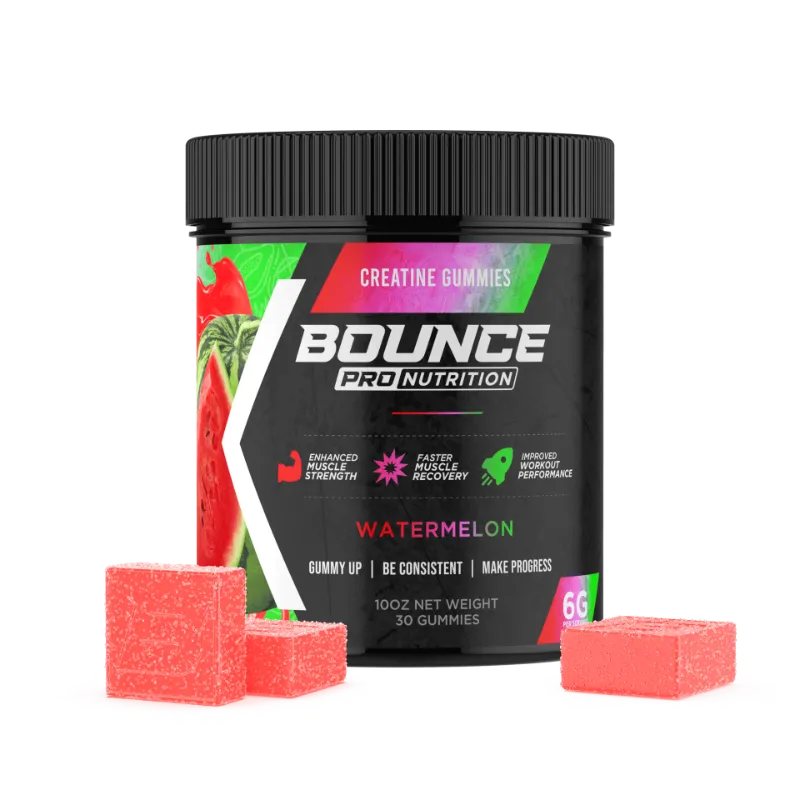
Creatine gummies are chewable supplements that deliver creatine monohydrate in a candy-like format instead of powder or capsules. Brands like Bounce Nutrition have helped popularize the format by making supplementation tastier and more convenient.
Popular options include:
- Best creatine gummies — top-rated overall picks
- Best creatine gummies for muscle growth — formulated for strength and performance
- Myvitamins creatine gummies — a trusted mainstream brand option
- Peach creatine — fruit-flavored gummies that make dosing easy
- Buns creatine — a fun, trending option in the gummy category
Each gummy typically contains 1–5 grams of creatine, often combined with B vitamins, electrolytes, or amino acids.
---
Is Creatine Safe for Kids?
This is the question every parent asks first — and rightfully so.
What the Research Says
Creatine occurs naturally in the body and in foods like red meat and fish. The International Society of Sports Nutrition has stated that creatine monohydrate is safe for healthy adults at recommended doses. For children and adolescents, however, the research is far more limited.
Key points:
- Adolescent athletes: Some studies on teen athletes (16+) have shown no adverse effects, but data in younger children is scarce.
- Young children: There is little to no long-term safety data for pre-adolescent children taking creatine supplements.
- Medical contexts: Creatine *has* been used therapeutically in children for certain medical conditions — but only under strict physician supervision.
What Pediatric Experts Recommend
Most pediatricians and sports medicine organizations advise that children get their nutrients from whole foods first, and that ergogenic supplements like creatine are unnecessary for youth sports performance. If your child eats a balanced diet with adequate protein, their muscles already produce all the creatine they need for typical growth and activity.
Bottom line: Creatine is not inherently dangerous, but kids creatine gummies should never replace real nutrition, and use in children should only happen with a doctor's guidance.
---
Do Creatine Gummies Actually Work?
For adults, yes — creatine is one of the few supplements with strong evidence supporting improved strength, power output, and muscle gain when paired with resistance training. Independent reviews such as Expert-Tested: Best Creatine Gummies (2026) and The 5 Best Creatine Gummies, According to Editors and Experts confirm that quality gummies can deliver an effective dose.
However, there are two caveats worth knowing:
- Dosing can be inconsistent. Gummies may contain variable amounts of creatine per serving, and some products have been found to contain far less active ingredient than advertised. Wired's investigation, Those Creatine Gummies You Bought Online Might Not ..., highlights concerns about dubious claims and mislabeled doses in the gummy category.
- Gummies often contain added sugar. Check the label — some products are closer to candy than supplements.
For kids specifically, the honest answer is that creatine offers no proven performance benefit for typical childhood activity, and the developing body doesn't need supplemental creatine.
---
When Might Creatine Gummies Make Sense for Kids?
In rare, physician-directed cases — such as certain neuromuscular conditions or dietary deficiencies — a doctor may recommend creatine supplementation. Even then, gummies are usually chosen for palatability rather than necessity.
For healthy, active kids, a better approach to pre-training fuel includes:
- A banana or piece of fruit 30–60 minutes before activity
- Whole-grain toast with peanut butter
- Yogurt with berries
- Plenty of water
If you're an adult parent or coach training alongside your kids and looking for a quality product for *yourself*, options like the best creatine gummies for muscle growth or peach creatine from Bounce Nutrition are well-reviewed by adult users. You can also check our Bounce Nutrition discount code page for 15% OFF all orders.
---
How to Choose a Quality Creatine Gummy (If Your Doctor Approves)
If a pediatrician does green-light creatine for your child — or if you're buying for teen athletes — here's what to look for:
- Third-party testing. Choose products certified by NSF Certified for Sport or Informed Sport to ensure label accuracy and purity.
- Transparent dosing. Look for clearly labeled creatine monohydrate content per gummy.
- Low sugar content. Many gummies pack 3–5g of sugar per serving.
- Simple ingredient lists. Fewer fillers and artificial additives is better.
- Realistic claims. Avoid brands promising dramatic transformations — that's a red flag the Wired investigation flagged across the category.
Comparing trusted options like myvitamins creatine gummies against best creatine gummies roundups is a smart way to start, and browsing a curated list of the best pre workout snack options can help you balance supplements with whole-food fueling.
---
FAQ: Kids Creatine Gummies
Are kids creatine gummies safe?
There is insufficient research to confirm safety for young children. Creatine is well-studied in adults and older teens, but pediatric use should only occur under medical supervision.
Can creatine gummies help my child's sports performance?
There's no evidence that creatine improves performance in children doing typical youth sports. Proper nutrition, hydration, sleep, and coaching deliver far greater benefits.
What age is creatine typically considered for?
Most research on adolescent creatine use involves athletes 16 and older. Even then, medical guidance is recommended before starting.
Are creatine gummies better than creatine powder?
For adults, gummies offer convenience but often cost more per dose and may include added sugar. Powder remains the most cost-effective and precisely dosed option.
How much creatine is in a typical gummy?
Usually 1–5 grams per serving, though independent testing has found some products contain less than labeled — another reason to choose third-party-tested brands.
Where can I find discounts on creatine gummies?
Check our Bounce Nutrition discount code page — currently offering 15% OFF all orders.
---
Final Verdict
Kids creatine gummies are not necessary for healthy children — and the long-term safety data for young users simply doesn't exist yet. Whole foods, hydration, and good sleep remain the best performance enhancers for youth athletes.
For adults and older teens (with medical guidance), creatine gummies from reputable brands like Bounce Nutrition can be a convenient, tasty way to supplement — just choose third-party-tested products and realistic claims. Don't forget to grab 15% off via our discount code page before you buy.
*This article is for informational purposes only and is not medical advice. Always consult a pediatrician before giving any supplement to a child.*
Frequently asked questions
Are kids creatine gummies safe?
There is insufficient research to confirm safety for young children. Creatine is well-studied in adults and older teens, but pediatric use should only occur under medical supervision.
Can creatine gummies help my child's sports performance?
There's no evidence that creatine improves performance in children doing typical youth sports. Proper nutrition, hydration, sleep, and coaching deliver far greater benefits.
What age is creatine typically considered for?
Most research on adolescent creatine use involves athletes 16 and older. Even then, medical guidance is recommended before starting supplementation.
Are creatine gummies better than creatine powder?
For adults, gummies offer convenience but often cost more per dose and may contain added sugar. Powder remains the most cost-effective and precisely dosed option.
How much creatine is in a typical gummy?
Usually 1–5 grams per serving, though independent testing has found some products contain less than labeled — another reason to choose third-party-tested brands.
Where can I find discounts on creatine gummies?
Check our Bounce Nutrition discount code page — currently offering 15% OFF all orders.