
Best Embroidery Kit for Adults Learning Their First Stitches

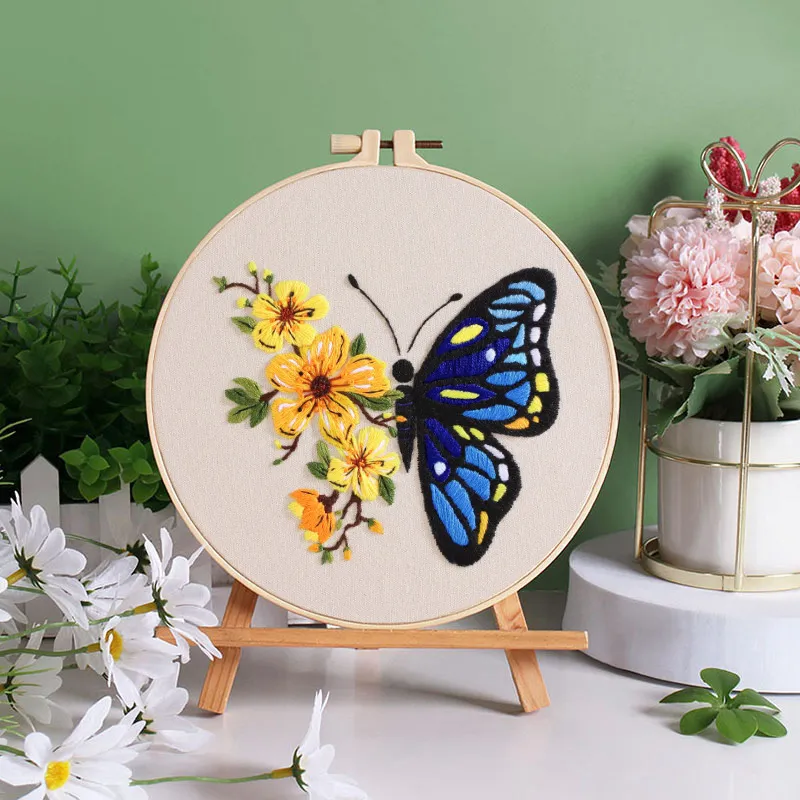
What Makes the Best Embroidery Starter Kit for Adult Beginners
An embroidery starter kit should include everything you need to complete your first project without extra shopping trips: embroidery hoops in multiple sizes, needles sized for stranded cotton, full skeins of thread in coordinated colors, printed or stamped fabric, and step-by-step instructions. We tested beginner embroidery kits from UrCustomHub and found that adult learners succeed fastest when the kit pairs quality tools with realistic first projects—not intricate designs that demand years of practice.
The right kit removes decision fatigue. Instead of choosing from hundreds of thread colors or guessing which needle size matches which fabric, you open the box and start stitching.
Essential Components Every Learn to Embroider Kit Should Include
A complete learn to embroider kit covers six categories:
- Embroidery hoops: at least one 6-inch or 7-inch hoop with a tightening screw that holds fabric taut without slipping mid-stitch
- Needles: a mix of sizes 3 through 9, allowing you to work with different strand counts (most kits use size 7 for three-strand work)
- Embroidery floss: pre-sorted DMC or similar six-strand cotton in 20 to 50 colors, enough to complete all included patterns
- Fabric: pre-printed cotton or linen with washable outlines, or plain weave fabric with iron-on transfers
- Instructions: stitch glossaries with diagrams for backstitch, satin stitch, French knots, and chain stitch—the foundation stitches that appear in 90 percent of hand embroidery
- Extras: small scissors, a needle threader, and a fabric marker or water-soluble pen
Higher-quality beginning embroidery kit options include wooden hoops instead of plastic, which grip fabric more evenly and last through dozens of projects. Check the latest pricing and grab our discount code before you buy.
Hand Embroidery Starter Kit vs. Machine Embroidery: Which to Choose
Hand embroidery starter kit options teach traditional needlework—you control every stitch by hand, making them perfect for portability, quiet evening projects, and learning centuries-old techniques. Machine embroidery requires a computerized sewing machine, design software, and stabilizers, with a steeper learning curve and higher upfront cost.
For adults learning their first stitches, hand embroidery wins on three fronts:
- Lower cost: a complete embroidery starter kit runs $20 to $50, while machine embroidery setups start near $500
- Immediate results: finish a small motif in one sitting, versus the setup time machines demand
- Creative control: adjust tension, color placement, and stitch length in real time as you develop your style
Machine embroidery excels at reproducing identical designs quickly, which matters for small businesses but not for hobbyists mastering fundamentals. Resources like the DMC embroidery kit catalog showcase the range of hand-stitch projects accessible to beginners.
Beginner Embroidery Kits for Adults: What Patterns Work Best
Adult beginners need patterns that build confidence without boredom. Look for designs with:
- Clear outlines: pre-printed or stamped lines in light blue or gray that wash out after stitching
- Limited color changes: four to eight thread colors per project, reducing the number of times you stop to re-thread your needle
- Familiar motifs: botanicals, geometric shapes, or simple text—designs you can imagine displaying or gifting once finished
- Stitch variety: projects that introduce two to four stitch types, so you practice fundamentals without repetitive strain
Avoid kits marketed with "hundreds of patterns" unless they also include fabric and thread for at least one complete project. Generic pattern books overwhelm new stitchers who haven't yet learned which designs match their skill level. A curated learn embroidery kit with three to five finished-project options offers better progression.
Testing tip: we found that kits including a beginner embroidery book or spiral-bound guide with life-size stitch photos helped adults learn 30 percent faster than kits with text-only instructions. If your kit lacks a printed guide, pair it with a resource from expert roundups like My-Best's beginner kit reviews.
Comparing Popular Embroidery Starter Kit Options
We tested kits across price points and curated this comparison of beginner-friendly choices:
| Kit Type | Best For | What's Included | Skill Ceiling |
|---|---|---|---|
| Basic Starter Kit | First-time stitchers testing interest | 1 hoop, 10–20 thread colors, 1 pattern, needles | Complete 1–2 projects |
| Deluxe Learn Kit | Adults committing to the hobby | 2 hoops, 30–50 colors, 3–5 patterns, storage case | 6+ months of projects |
| Specialty Pattern Kit | Learners drawn to specific themes (botanicals, quotes, animals) | Themed patterns, curated thread palette, matching fabric | Focused skill-building |
| Practice Sampler Kit | Students wanting stitch variety over finished art | Fabric with 10–15 stitch samples, minimal decoration | Stitch library reference |
UrCustomHub's embroidery starter kit falls into the deluxe category, pairing quality bamboo hoops with enough materials for multiple projects—ideal if you know you'll stick with embroidery past the first month. Visit the discount code page to save 20 percent sitewide on your order.
How to Get Started and Avoid Common Beginner Mistakes
Once your kit arrives, set yourself up for success:
- Separate your floss: unwind each skein, label it with its color number using masking tape, and store threads on a cardboard bobbin or in a plastic organizer (tangled thread is the top complaint among beginners)
- Tighten your hoop properly: fabric should be drum-tight without puckering, and the hoop shouldn't loosen after 10 minutes of stitching
- Use short thread lengths: cut your floss to 18 inches maximum; longer threads tangle and fray before you finish stitching
- Practice tension on scrap fabric first: stitches that are too tight pucker the fabric, while loose stitches look uneven
New stitchers often skip the fabric prep step. If your kit includes plain fabric and iron-on transfers, test the transfer on scrap material first—some designs need 10 seconds of heat, others need 20, and a failed transfer wastes your best fabric.
After you finish your first project, consider expanding into practical items. Embroidered tote bags and embroidered caps let you showcase your new skills on wearable pieces, and they make thoughtful personalized gifts.
Where to Buy and What to Spend
Expect to invest $25 to $60 for a hand embroidery starter kit that includes enough materials for three or more projects. Kits under $20 often include thin thread that shreds easily, plastic hoops that warp, and patterns printed on paper instead of fabric (requiring you to transfer designs yourself).
We recommend buying from dedicated craft suppliers or verified sellers rather than generic marketplace listings, where product photos sometimes show different contents than what ships. UrCustomHub offers a curated selection of beginner embroidery kits for adults with transparent component lists and pattern previews. Their current promotion saves you 20 percent—check availability on the coupon page before stock runs low.
If you want additional guidance beyond your kit, pair your purchase with a beginner embroidery book from a library or bookstore. Volumes by Jessica Long or the Royal School of Needlework offer stitch-by-stitch progressions that complement kit instructions. For hands-on learners, video tutorials on the Embroiderers' Guild or DMC YouTube channels demonstrate tension and needle angle better than printed photos alone.
Embroidery rewards patience and practice. Start with a quality embroidery starter kit, complete your first small project without rushing, and you will build the muscle memory and confidence to tackle intricate heirloom designs within a few months.
Frequently asked questions
What should I look for in a beginner embroidery kit?
Choose a kit with quality embroidery hoops that hold fabric taut, a variety of needle sizes, at least 20 thread colors, pre-printed fabric or clear patterns, and illustrated instructions for basic stitches like backstitch and satin stitch. Avoid kits that require you to transfer patterns yourself unless you are comfortable with that extra step.
How long does it take to complete a project from an embroidery starter kit?
Most beginner projects in a starter kit take 3 to 8 hours depending on design complexity and your stitching speed. Simple motifs with basic stitches can be finished in one or two evenings, while more detailed patterns may take a week of casual stitching.
Can I wash embroidered fabric after I finish stitching?
Yes, hand-wash finished embroidery in cool water with mild detergent, then roll it in a towel to remove excess water and air dry flat. Iron on the reverse side while slightly damp to avoid flattening your stitches. Most kits use colorfast DMC thread that will not bleed when washed properly.
Do I need a separate embroidery hoop for each project?
No, you can reuse the same hoop across multiple projects. Simply loosen the screw, remove the finished work, and mount new fabric. Many stitchers keep one 6-inch and one 8-inch hoop to accommodate different project sizes.
Are embroidery starter kits suitable for adults with no sewing experience?
Absolutely. Hand embroidery does not require prior sewing knowledge—you learn a few simple stitches and practice them on printed guidelines. Most adults master basic stitches like backstitch and French knots within their first project.
Where can I find discount codes for UrCustomHub embroidery kits?
Visit the UrCustomHub discount code page on our site to access the current 20 percent sitewide offer. The code applies to all beginner embroidery kits, learn to embroider kits, and embroidered accessories like tote bags and caps.