
Best Nursing Tops for Discreet Breastfeeding in Public

What Makes the Best Nursing Tops for Public Feeding
Nursing tops for women solve the biggest challenge new mothers face: feeding your baby comfortably in public without awkward wardrobe adjustments or exposure. The best designs feature hidden access panels, wrap fronts, or side zippers that let you nurse one-handed while keeping everything else covered. We tested dozens of nursing tops to find which styles, fabrics, and features actually work when you're juggling a hungry infant at a café or doctor's office.
The key difference between a regular shirt and a purpose-built nursing top is access. You need fabric that moves exactly where you need it, then falls back into place without gaping or bunching. Our top picks balance discreet functionality with everyday style so you can wear them beyond the nursing months.
Top Design Features for Discreet Nursing Access
Not all nursing tops are equally discreet. The construction details determine whether you can feed quickly and privately or end up wrestling with fabric.
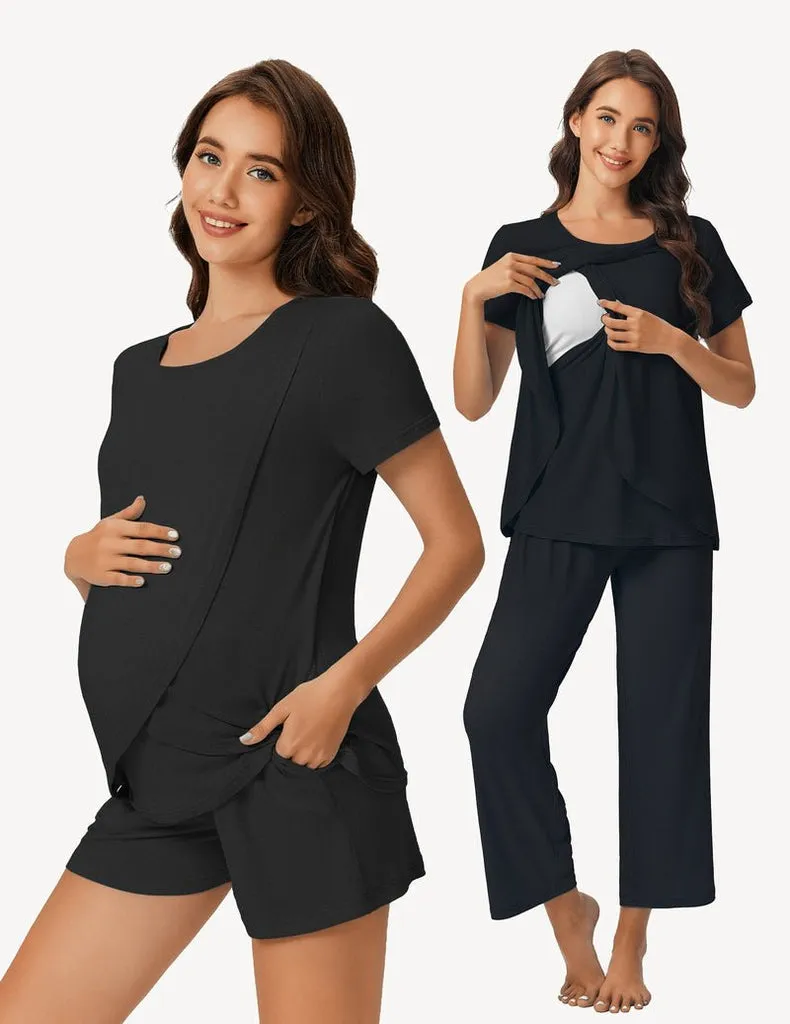
Hidden panel designs use overlapping layers of fabric that you can lift from underneath. These provide the most coverage because the outer layer drapes over your baby's head and your torso stays covered. Look for double-layer construction where the top layer extends past the access point.
Nursing tops with zippers placed along the side seams or under a faux pocket let you create a small opening exactly where you need it. Side zippers are faster than panel lifts and work well under cardigans or jackets. The zipper should run at least 6 to 8 inches for easy positioning.
Wrap and crossover styles mimic the look of a faux-wrap blouse but with interior snaps or ties that secure the overlap. You unwrap one side while the other stays in place. These offer the most adjustability for different breast sizes throughout the day.
Stretchy necklines on basic tees or tanks can be pulled down, but they offer minimal coverage and often stretch out permanently. We recommend reserving these for home use unless you layer them under a plush robe or open cardigan.
Best Fabrics for Comfort and Easy Care
Nursing tops cotton options dominate for good reason: cotton breathes, absorbs leaks, and survives frequent washing. But fabric weight and weave matter as much as fiber content.
- Lightweight jersey cotton (4 to 6 oz) works for layering and warm weather but can show leaks and cling to postpartum curves
- Medium-weight cotton blends (6 to 8 oz) with 5 to 10% spandex hold their shape, skim the body without hugging, and camouflage small spills
- Bamboo viscose feels silky, wicks moisture better than cotton, and resists odor, though it requires gentler washing
- Modal and rayon blends drape beautifully for dressier nursing clothes but wrinkle easily and may shrink
Avoid stiff fabrics like starched poplin or anything that requires dry cleaning. You will wash these tops two to three times a week, and they need to survive the spin cycle without losing shape or softness.
For year-round wear, pair nursing tops with breathable outer layers. Flannel pajamas work well for early morning feeds at home, while a structured blazer over a cotton nursing tank takes you through work meetings.
Sizing and Fit Considerations Through Your Nursing Journey
Your body changes week to week during the first six months postpartum, and your nursing tops need to accommodate fluctuating breast size, milk supply, and torso shape.
Size up if you are between sizes. Nursing tops should skim your body with 2 to 3 inches of ease through the bust and hips. Tight fabric restricts milk flow and makes access panels harder to maneuver. Most brands size nursing tops to fit your pre-pregnancy size, but if your ribcage expanded or you retained weight, go one size up.
Look for adjustable features like drawstring waists, side ruching, or stretchy empire seams that let the same top work whether you are engorged at 6 AM or empty by noon. Wrap styles and crossover designs naturally adapt to size fluctuations better than fixed-panel tops.
Check shoulder seam placement. The seam should sit at the edge of your shoulder bone, not halfway down your upper arm. Dropped shoulders make nursing access awkward and read as sloppy rather than relaxed.
Hem length matters for body type. If you have a long torso, verify the hem hits below your hip bone so the fabric does not ride up when you lift the access panel. Petite frames benefit from cropped or tucked styles that do not overwhelm your proportions.
Many nursing moms on Reddit recommend buying two to three core styles in multiple colors rather than a large variety of designs. Once you find a cut that works for your body and nursing technique, grab the code and stock up.
Styling Nursing Tops for Different Occasions
Nursing tops for women no longer mean baggy tees or obvious flap-front shirts. Current designs work across casual, professional, and social settings with the right styling.
Everyday casual: Pair a cotton nursing tank with hidden side panels under an open button-down or denim jacket. The outer layer adds coverage while you access the tank, and you can wear the combo through toddlerhood. Nursing clothes in neutral tones like black, navy, and heather gray mix easily with jeans and leggings.
Work and professional: Choose structured nursing tops in ponte knit or ponte-jersey blends that mimic the look of a regular blouse. Wrap styles with three-quarter sleeves and a defined waist work under blazers and read as polished, not postpartum. Avoid overly drapey fabrics that can look like maternity wear.
Social events and dining out: A crossover nursing top in a dark jewel tone or small print camouflages any leaks and looks intentional rather than functional. Layer with a statement necklace that draws the eye up, and bring a lightweight scarf for extra coverage if needed. If you are headed to a beach or pool setting, a maternity swimsuit or tankini swimsuits with nursing-friendly access keeps you covered poolside.
Sleepwear and overnight: Soft modal or bamboo nursing tops with snap or magnet closures let you feed in the dark without fumbling for zippers. If you prefer full pajama sets, silk pajamas with button fronts offer easy access and feel luxurious during those exhausting newborn weeks.
Check the latest price on multipacks to save per-piece cost when building your nursing wardrobe.
How to Test Nursing Top Access Before You Buy
If possible, try on nursing tops and simulate the nursing motion in the fitting room. Hook your hand under the access panel or unzip the side opening while looking in the mirror. You should be able to reach the access point with one hand, open it wide enough for easy positioning, and see that the surrounding fabric still covers your torso and lower breast.
Panel overlap test: Lift the top layer of a double-panel design. The bottom layer should stay in place and cover your abdomen. If both layers lift together, the top will not provide adequate coverage.
Zipper reach test: Can you unzip the side opening without contorting your arm? The zipper pull should be easy to grasp, and the tape should not catch on interior seams.
Recovery test: After you release the panel or close the zipper, does the fabric fall back into its original drape, or does it bunch, twist, or gape? The top should look identical before and after access.
When shopping online, read reviews from other nursing mothers who mention your body type or breast size. Brands like Old Navy and others featured in roundups like Byrdie's best nursing tops offer accessible starting points, but we found EKOUAER's designs deliver better fabric quality and access engineering at a similar price point, especially when you use the current discount.
Care and Longevity Tips for Nursing Tops
Nursing tops endure more wear and washing than almost any other garment in your closet. Extend their lifespan and maintain fabric integrity with these strategies.
Wash in cold water on gentle cycle. Hot water breaks down elastic fibers in stretch panels and access openings. Use a mesh laundry bag for tops with zippers or delicate snaps to prevent hardware from snagging other garments.
Air dry or tumble low. High heat shrinks natural fibers unevenly and can warp the overlapping layers in panel designs. Lay flat or hang to dry whenever possible.
Rotate your tops. Wearing the same nursing top three days in a row stretches out the access mechanisms. Keep at least four to five tops in rotation so each one gets 24 to 48 hours to recover its shape between wears.
Treat stains immediately. Breast milk contains proteins and fats that set in fabric. Rinse fresh stains with cold water and a drop of dish soap before tossing in the hamper. Avoid bleach on colored fabrics, as it yellows over time.
Store flat or folded, not hung. Hanging wet nursing tops stretches the shoulder seams and access panels. Fold and stack them in a drawer once completely dry.
With proper care, quality nursing tops last through multiple children or 12 to 18 months of continuous use. The upfront investment pays off when you are not replacing stretched-out or stained tops every few weeks.
Frequently asked questions
What is the most discreet type of nursing top for public feeding?
Double-layer panel designs with overlapping fabric provide the most coverage because the outer layer drapes over your baby and torso while you lift the inner layer. Side-zipper styles also work well under cardigans or jackets for added discretion.
Can I wear regular tops for nursing or do I need special nursing clothes?
You can pull down stretchy regular tops or wear button-fronts, but purpose-built nursing tops offer faster one-handed access, better coverage, and fabric that returns to its original shape. They make public feeding significantly easier and less stressful.
How many nursing tops should I buy for daily wear?
We recommend four to five tops in rotation so you can wash every two to three days without running out. Having multiple pieces in neutral colors lets you mix them with different bottoms and outerwear throughout the week.
Do nursing tops with zippers hold up better than snap or panel styles?
Zippers last longer than snaps if the zipper tape is reinforced and the pull is metal rather than plastic. Panel styles have no hardware to break but can stretch out faster if the fabric is lightweight. Look for medium-weight cotton blends with 5 to 10% spandex for durability in any access style.
Should I size up in nursing tops to accommodate changing breast size?
Yes, size up if you are between sizes or if your ribcage expanded during pregnancy. Nursing tops should skim your body with a few inches of ease through the bust and hips. Tight fabric restricts access and shows every leak or bump.
Can I wear the same nursing top through my entire breastfeeding journey?
Quality nursing tops made from medium-weight cotton or modal blends with adjustable features like ruching or wrap ties adapt to your changing body and last 12 to 18 months with proper care. Rotate multiple tops to reduce wear on each piece.