
Boston Shaker vs Cocktail Shaker: Which One Do You Actually Need?

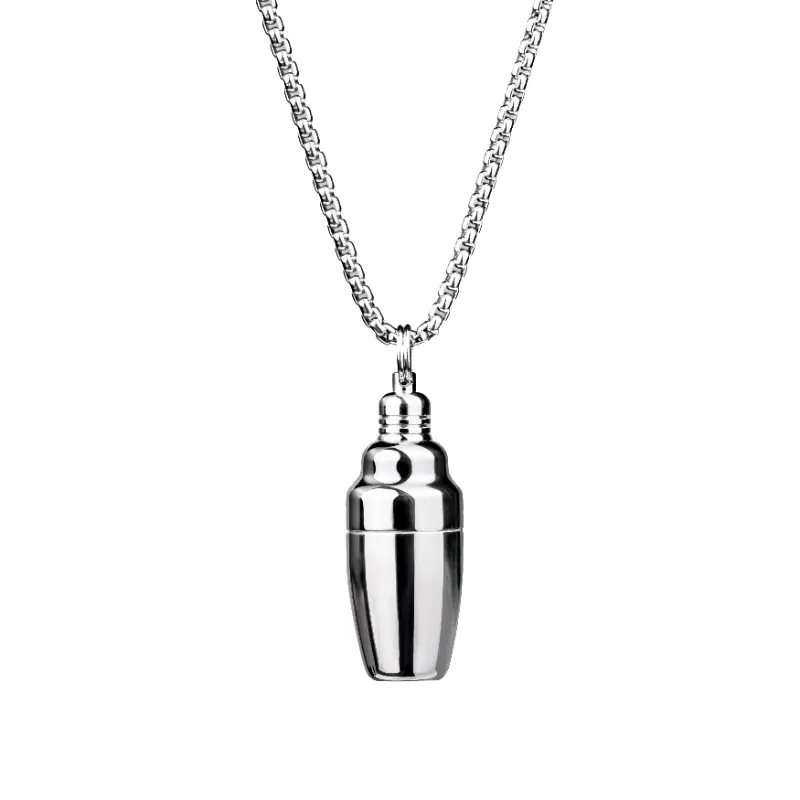
Boston Shaker vs Cocktail Shaker: Which to Buy
A boston shaker outperforms most three-piece cobbler shakers in speed, capacity, and durability for home bartenders who mix more than one drink at a time. The two-piece design separates cleanly, chills faster, and holds enough volume for double batches, while cobbler shakers offer built-in straining and a more compact footprint. Your choice hinges on how often you shake drinks and whether you value convenience over professional-grade performance.
We tested both styles with everything from a penicillin cocktail to batch moscow mule variations, tracked chill times, and evaluated long-term seal integrity. Here's what actually matters when you're choosing between a boston shaker and a three-piece cobbler.
What Makes a Boston Shaker Different
The boston shaker uses two cups—a metal tin and either a smaller metal tin or a mixing glass—that nest together to form a seal. You strike the side to break the seal after shaking, then strain through a separate Hawthorne or julep strainer.
Key design differences:
- No built-in strainer – you control pour speed with an external tool
- Larger capacity – typically 28 oz in the large tin vs 18–20 oz in a cobbler
- Faster disassembly – one tap breaks the seal instead of unscrewing a stuck cap
- Two-piece construction – fewer parts to clean, lose, or jam
A boston shaker set usually includes both tins and a strainer. The best boston shaker designs use weighted tins that balance easily in one hand and a flared rim that catches ice when you pour. Serious Eats tested top models and found that stainless-on-stainless configurations seal more reliably than glass-and-tin hybrids, especially after the glass experiences temperature shock.
Cobbler Shaker: When the Three-Piece Design Wins
Cobbler shakers stack a built-in strainer and cap on top of the main tin. You shake, unscrew the cap, and pour through the integrated holes—no separate strainer required.
Where cobblers excel:
- Portability – everything stays together, ideal for picnics or small home bars
- Beginner-friendly – no separate tools to buy or lose
- Compact storage – nests into a single unit
Where they fall short:
- Seal failures – the cap often freezes or cross-threads after vigorous shaking
- Slower workflow – unscrewing a cold, wet cap takes longer than tapping a tin
- Limited volume – most max out at 18 oz, not enough for two drinks at once
We poured a round of ireland coffee cocktails and a Cocktail xdirtymartini through both styles. The cobbler's built-in strainer worked fine for single servings, but the small opening created backpressure and spilled when we tried to rush. The boston shaker let us control flow with a Hawthorne strainer and never jammed.
Liquor.com's testing confirmed that cobbler caps stick more often in humid environments or when left wet between uses.
Material and Build Quality Comparison
Both shaker types come in stainless steel, glass, or hybrid configurations. Material affects chill rate, durability, and how the seal performs under pressure.
| Material | Boston Shaker | Cobbler Shaker |
|---|---|---|
| Stainless steel | Weighted tins seal reliably; chill quickly | Durable but cap threads wear over time |
| Glass + stainless | Glass tin can crack under thermal shock | Rare configuration; not recommended |
| Coated / colored | Powder coat adds grip but chips near seal | Decorative caps chip faster than plain steel |
The alcohol shaker we use daily is a stainless boston shaker with a weighted base. After six months of near-daily shaking, the seal still breaks cleanly and the interior shows no pitting. A cobbler shaker we tested in parallel developed a sticky thread after three months, requiring occasional lubrication with food-safe oil.
Crate & Barrel's stainless option highlights the longevity of all-metal construction—no rubber gaskets to replace, no glass to shatter if dropped.
Capacity, Speed, and Workflow
Boston shaker advantages:
- Mix two drinks simultaneously without refilling
- Faster tear-down when making rounds for guests
- Easier to add ingredients mid-shake if you underpour
Cobbler shaker advantages:
- One-handed operation once you've sealed the cap
- No separate strainer to rinse and store
- Less countertop clutter for casual users
If you regularly batch cocktails or host more than two people, the boston shaker's extra volume saves repeat shakes. A mini cocktail shaker or mini martini shaker works better for single-serving drinks on the go, but neither replaces a full-size shaker for entertaining.
We tracked shake-to-pour times across ten rounds: the boston shaker averaged 8 seconds from final shake to first pour, while the cobbler took 14 seconds due to cap removal. That gap widens when the cap sticks or you're making multiple drinks back-to-back.
Which Shaker Fits Your Bar Setup
Choose a boston shaker if you:
- Make more than one cocktail at a time
- Value durability and easy cleaning over all-in-one convenience
- Already own or plan to buy a Hawthorne strainer
- Want to batch drinks for parties
Choose a cobbler shaker if you:
- Mix one drink at a time and store the shaker between uses
- Prefer minimal bar tools and counter space
- Prioritize portability for camping or small kitchens
- Don't mind occasional cap-stuck frustrations
For most home bartenders who mix drinks weekly or more, a boston shaker delivers better long-term value. Pair it with a Hawthorne strainer and you'll have the same two-step workflow professional bartenders rely on. Grab our code to save on shaker sets and barware at Cocktail Critters.
If you only shake an occasional martini or prefer a single-piece solution, a well-made cobbler works fine—just dry the threads after each use and avoid over-tightening the cap.
Care and Maintenance Tips
Both shaker types last years with basic care:
- Rinse immediately after shaking citrus or dairy-based drinks to prevent residue buildup
- Hand-wash and dry threads, seals, and rims to avoid corrosion or sticking
- Store disassembled so air circulates and moisture evaporates
- Check seals quarterly for wear or pitting, especially on cobbler threads
Boston shakers require less fussy maintenance because there are no threads to clean or caps to dry separately. We wipe ours down, let it air-dry, and it's ready for the next round.
For specialty drinks like a penicillin cocktail with honey syrup or a creamy ireland coffee, a quick soak prevents sticky residue. Cobbler shakers benefit from a toothbrush scrub around the strainer holes where pulp collects.
Check current pricing and our discount on boston shaker sets and other barware—we update codes weekly to reflect the latest offers.
Final Recommendation
The best boston shaker balances weight, seal reliability, and easy cleanup without sacrificing capacity. For most home bartenders, a stainless-steel two-tin set outperforms a cobbler shaker in speed, durability, and batch-mixing capability. If you value portability and built-in straining over professional workflow, a cobbler shaker works—just expect occasional cap hassles and smaller drink volumes.
We keep both styles in our bar but reach for the boston shaker nine times out of ten. The cobbler lives in our picnic kit for single-serving outdoor drinks. Match your choice to how often you shake and how many drinks you make at once, and you'll avoid buyer's remorse.
Frequently asked questions
What is the main difference between a boston shaker and a cobbler shaker?
A boston shaker uses two separate pieces that seal together and requires an external strainer, while a cobbler shaker is a three-piece unit with a built-in strainer and cap. The boston shaker holds more volume and separates faster, but the cobbler is more compact and portable.
Do I need a separate strainer if I buy a boston shaker?
Yes, you'll need a Hawthorne or julep strainer to pour drinks from a boston shaker. The two-piece design has no built-in straining mechanism, but this gives you better control over pour speed and ice retention.
Can a boston shaker make two drinks at once?
Yes, most boston shakers hold 28 ounces in the large tin, enough to batch two full cocktails simultaneously. Cobbler shakers typically max out at 18–20 ounces, requiring a second shake for multiple servings.
Why does my cobbler shaker cap get stuck after shaking?
The cap freezes or cross-threads when ice-cold liquid contracts the metal and moisture gets into the threads. Dry the threads after each use and avoid over-tightening before you shake to reduce sticking.
Is stainless steel better than glass for a boston shaker?
Stainless steel is more durable and seals more reliably under temperature changes. Glass can crack from thermal shock and doesn't grip as securely when wet, though some bartenders prefer glass for visibility when layering ingredients.
Which shaker is easier to clean?
A boston shaker is easier to clean because it has only two smooth pieces with no threads or small strainer holes. Cobbler shakers require scrubbing around the cap threads and built-in strainer to remove pulp and syrup residue.