
Bucktool Buffing Machine Vs Bench Belt Grinder Combo: Which Tool Fits Sharpening And Polishing Jobs?

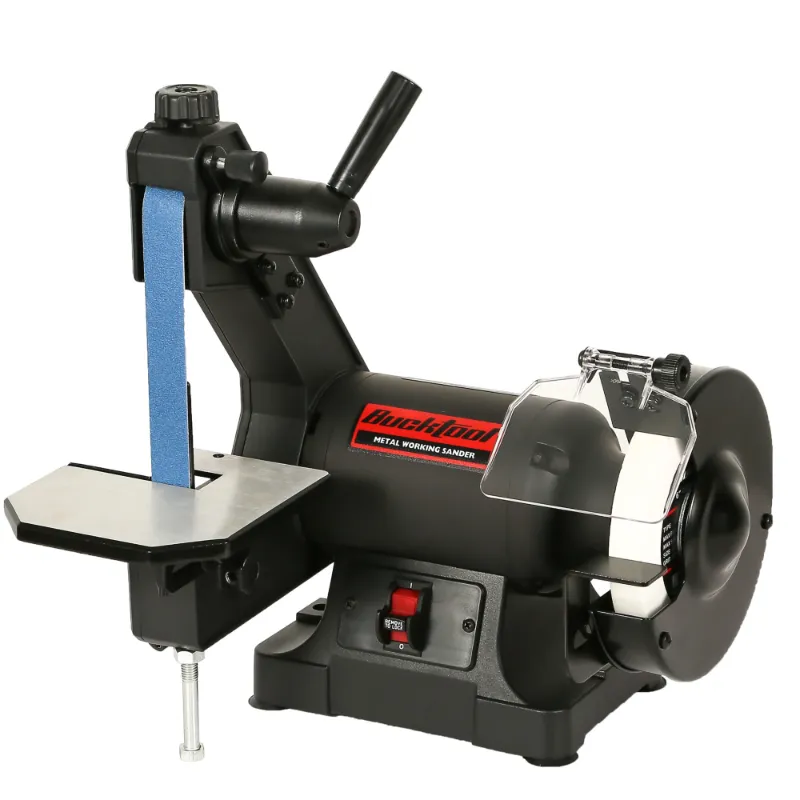
Bucktool Bench Belt Grinder Combo is the better pick for sharpening, shaping, and controlled material removal, while a buffing machine is the better pick for final polish and surface shine. If your work starts with dull edges, rough metal, or wood that needs flattening, choose the grinder combo first. If your work is already shaped and you want a clean finish on hardware, blades, jewelry, or turned parts, the buffer is the more focused tool.
Bucktool sells both types of bench machines, and they solve different problems. The mistake we see most often is buying a buffer to sharpen, then fighting heat and rounded edges, or buying a grinder combo and expecting it to leave a mirror finish without the right polishing setup. Before you buy, compare the latest store offer and current checkout code on our Bucktool discount code page, then match the tool to the job you do most.
Bucktool Bench Belt Grinder Combo vs buffing machine: the short answer
The Bucktool Bench Belt Grinder Combo is a work-removal tool. It uses a belt and disc setup to grind, sand, square, deburr, and refine shapes before finishing. A buffing machine is a finishing tool. It uses buffing wheels and compounds to improve shine after the surface is already smooth.
| Job | Better Bucktool choice | Why |
|---|---|---|
| Sharpening chisels, mower blades, shop knives | Bench belt grinder combo | More control over edge geometry and material removal |
| Deburring cut metal | Bench belt grinder combo | Belt access helps knock down edges quickly |
| Polishing brass, aluminum, or hardware | Buffing machine | Designed for compound-loaded wheels and final luster |
| Smoothing small wood or metal parts | Belt and disc sander | Flat surfaces and edges are easier to register |
If you only have room for one machine, start with the grinder combo when sharpening and repair work are frequent. Start with the buffer when your parts are already sanded and you mainly want a cleaner cosmetic finish.
What the Bucktool combo is best at
A grinder and sander combo earns its bench space when you need repeatable shaping. The belt can remove material along an edge or curve, while the disc helps square ends and flatten small faces. Bucktool’s own product page for the Bucktool 250W Bench Belt Grinder & Disc Sander Combo is useful for checking the current manufacturer description and intended use before you buy.
We would choose a bench belt grinder combo for:
- Restoring utility edges on shop tools
- Cleaning weld spatter and burrs from brackets
- Rounding over sharp metal corners before paint
- Refining wood templates, plugs, and small parts
- Squaring short stock when a handheld tool is too hard to control
This is also where related Bucktool sanding tools fit in. A belt and disc machine is the natural choice for flat sanding and edge work, while a finger sander is useful when you need to reach narrow slots or inside curves that a bench machine cannot access.
Where a buffing machine wins
A buffer is not just a softer grinder. It is a separate finishing step. Instead of aggressive abrasive removal, a buffing wheel works with compound to refine the surface and increase reflectivity. That matters when the look of the part is part of the result.
Choose the Bucktool buffing machine style of tool when you work on:
- Knife handles, bolsters, guards, and decorative hardware
- Brass knobs, aluminum trim, and small metal parts
- Turned wood pieces after sanding through the grits
- Restored tools where you want a cleaner presentation
- Parts that are shaped correctly but look dull or scratched
A buffer can ruin an edge if you press too hard or polish at the wrong angle. It can also grab small parts. We recommend treating buffing as a controlled finishing operation, not a shortcut for grinding. For safety principles around abrasive machinery, OSHA’s abrasive wheel guidance is a good background reference, especially for guards, wheel condition, and safe operating habits.
Sharpening workflow: grinder first, polish second
For sharpening, think in stages. The grinder combo does the shaping, then finer abrasives or polishing wheels refine the result. If you try to jump straight to a buffing wheel, you may make a dull tool shiny without actually fixing the bevel.
A practical sharpening workflow looks like this:
- Inspect the edge for chips, rolled steel, or uneven bevels.
- Use the belt to re-establish the shape with light pressure.
- Cool the part often so you do not overheat the edge.
- Move to finer abrasive steps if needed.
- Deburr, then polish only if the tool benefits from it.
For repeat sharpening, many users also look at cbn grinding wheels because they are known for consistent grinding on suitable machines. Always confirm fit and intended machine use before pairing wheels or accessories with any grinder. If you are buying during a promotion, use the current offer link to check the latest Bucktool price and code rather than relying on old prices from forums or videos.
Sanding and shaping: bench tool or handheld belt sander?
A bench machine and a handheld belt sander overlap, but they do not feel the same in use. The bench tool keeps the abrasive in one place and lets you bring the work to it. A handheld unit brings the abrasive to the work, which is better for large boards, installed material, or pieces too big to control at the bench.
| Tool type | Best for | Main tradeoff |
|---|---|---|
| Bench belt grinder combo | Small parts, edges, sharpening, deburring | Limited by belt and table access |
| Belt sander | Boards, panels, broad surfaces | Easier to over-sand if you rush |
| Handheld belt sander | Large workpieces and site work | Less precise for small edges |
| Finger sander | Tight inside corners and narrow spots | Slower for broad removal |
If your project is cabinet parts, slab cleanup, or long boards, a belt sander or handheld model makes more sense. If your project is brackets, chisels, knife blanks, shop-made jigs, or small wood pieces, the bench grinder combo gives better control.
Dust, metal grit, and bench setup
Grinding and sanding create debris, and the debris is different depending on the material. Wood dust needs collection. Metal sparks and hot grit need clearance from flammable dust, rags, solvents, and finishes. Do not treat every dust port and collector setup as suitable for sparks.
For a cleaner bench area:
- Keep a dedicated grinding zone away from sawdust piles and finishes.
- Use eye protection and hearing protection.
- Let the tool reach speed before touching the work.
- Use light pressure and let the abrasive cut.
- Clean around the machine after metal work.
- Check belts, wheels, guards, tables, and rests before use.
A cyclone dust collector can help in a woodworking-focused shop, especially around sanders and saws, but be cautious about mixing hot metal sparks with wood dust collection. If you do both metal and wood, separate your workflows and clean the area between jobs.
Which Bucktool tool should you buy first?
Buy the Bucktool Bench Belt Grinder Combo first if your jobs include sharpening, reshaping, deburring, and sanding small parts. Buy the buffer first if your parts are already shaped and your main goal is polish. Many serious home shops eventually use both because grinding and buffing sit at opposite ends of the same finishing process.
Here is our quick decision guide:
- Choose the grinder combo if you say, “This edge is dull,” “This bracket has burrs,” or “This part needs reshaping.”
- Choose the buffing machine if you say, “This surface is smooth but dull,” or “I want a cleaner final shine.”
- Add a belt sander sander or handheld tool if the work is large, flat, or awkward to bring to the bench.
- Consider a benchtop drill press separately if your next bottleneck is accurate holes, not surface prep.
Before checking out, we would compare the exact model, accessory needs, and current coupon availability. Bucktool promotions can change, so the safest way to avoid stale deal info is to grab the current Bucktool code when you are ready to buy.
Frequently asked questions
Is the Bucktool Bench Belt Grinder Combo better than a buffing machine for sharpening?
Yes, for most sharpening jobs the grinder combo is the better starting tool because it removes material and helps set the bevel. A buffing machine is better after sharpening, when you want to polish or remove a burr carefully.
Can I polish metal with a belt and disc sander instead of buying a buffer?
You can smooth and refine metal with a belt and disc sander, but it is not the same as buffing. For a brighter final finish, a buffing machine with the right wheels and compound is the more appropriate tool.
Do I need a cyclone dust collector with Bucktool sanding tools?
A cyclone dust collector can be useful for wood sanding dust, but metal grinding needs extra caution because sparks and hot debris can be dangerous around dust collection systems. Keep wood dust and metal grinding cleanup separate.
Where does a handheld belt sander fit compared with a bench combo?
A handheld belt sander is better for large surfaces or pieces that cannot easily be brought to a bench. The bench combo is better for small parts, edges, sharpening, and controlled shaping.
Are cbn grinding wheels a replacement for the belt grinder combo?
No, they are an accessory category for compatible grinding setups, not a full replacement for a belt and disc machine. Always verify fit, intended use, and machine compatibility before buying grinding wheels.