

Refurbished electric bikes offer significant savings when you know what to inspect, from motor power and battery health to frame integrity and safety features. Whether shopping at Walmart or specialized retailers, a solid checklist protects you from hidden defects and ensures you're actually getting a reliable deal. We'll walk you through the essential checks before you buy.
Motor Power and Performance in Refurbished Electric Bikes
The motor is the heart of any e-bike, so understanding what you're getting matters. Refurbished units often carry different motor ratings—typically 250W, 500W, or higher—and the 750 watt ebike represents the upper range for consumer models, delivering strong acceleration and hill-climbing power.
Check the motor type first: hub motors (in the wheel) are simpler and quieter, while mid-drive motors (at the pedals) feel more natural but are pricier to repair. Ask the seller for a test ride or video demo if possible. Listen for unusual grinding sounds and feel for smooth, responsive power delivery. Refurbished motors should engage smoothly without lag. Also verify the motor's power rating matches the listing—don't assume it's accurate. Look for documentation or a serial number you can verify with the manufacturer.
Battery Health and Charging Capacity
Battery condition makes or breaks a refurbished e-bike purchase. Ebike batteries degrade over time, and a worn-out 36v ebike battery or 60v ebike battery can leave you stranded mid-ride. Request the battery's cycle history if available—fewer than 300 cycles is ideal for a refurbished unit.
When inspecting:
- Check for visible damage, corrosion, or swelling on the battery pack
- Test a full charge cycle if the seller permits; it should reach full charge within the stated time
- Ask about the battery's original capacity versus current capacity (a 15–20% loss is normal; anything higher is a red flag)
- Confirm the battery type and voltage match your motor and frame
Many retailers won't provide detailed cycle counts, so prioritize sellers offering a 30-day return window or a battery warranty. Check the latest price and grab the code to see current offers that may include battery coverage.
Frame Material Benefits and Structural Integrity
The frame is your second-biggest investment after the battery, and structural damage isn't always obvious. Aluminum frames are lightweight and resist rust; steel frames are heavier but more durable; carbon fiber is premium but expensive to repair. A hybrid ebike often uses aluminum for a balance of weight and durability.
Inspect the frame carefully:
- Sight down the tubes from different angles to spot bends or twists
- Run your hand along welds and joints for cracks (start at the head tube and work toward the rear)
- Check clearance between the frame and wheels—misalignment suggests impact damage
- Test the frame flex by standing on the pedals; it should feel stiff, not spongy
If the frame has visible scratches, that's cosmetic and expected on refurbished models. Deep dents, cracks, or welding repairs are deal-breakers. Ask for close-up photos before purchasing, especially if buying online.
Brake Systems and Safety Features
Brakes are non-negotiable for safety, particularly at the higher speeds that powerful e-bikes enable. Refurbished units should have hydraulic disc brakes (superior stopping power) rather than mechanical rim brakes.
Test brake responsiveness:
- Squeeze each lever and feel for firm, even resistance
- Spin the wheels and apply brakes—they should stop smoothly without grinding or rubbing
- Check brake pad thickness; thin pads wear quickly and need replacement
- Verify brake fluid isn't leaking (hydraulic systems only)
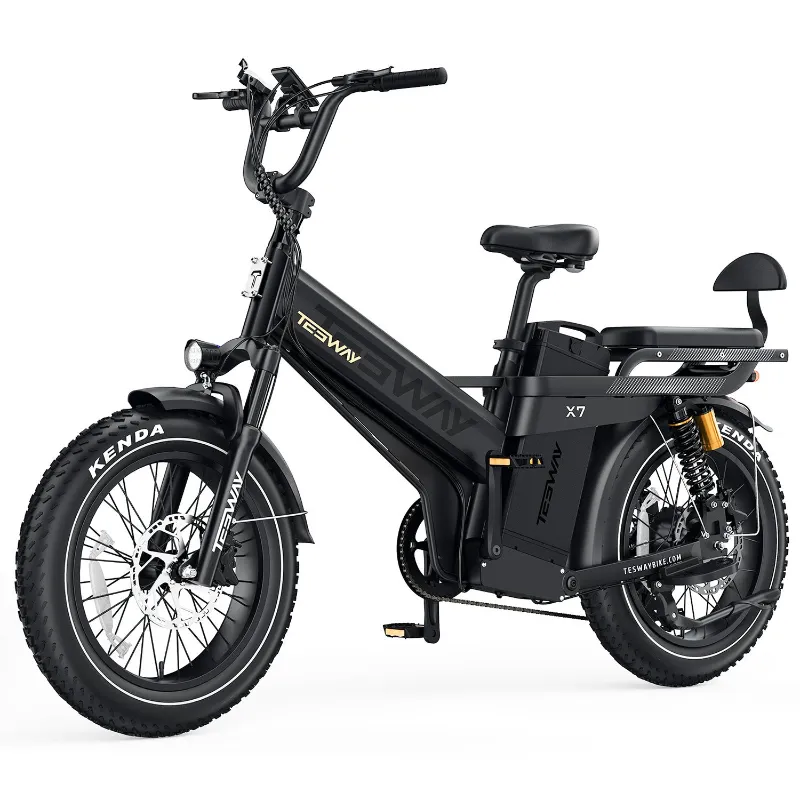
Additionally, look for integrated safety features: lights (front and rear), reflectors, a bell, and a waterproof electric bike design if you'll ride in wet conditions. Some refurbished models from reputable brands like the tesway x7 pro come with these built-in. Confirm the electrical connections and wiring aren't frayed or corroded.
Understanding Motor Power Levels and Riding Modes
Refurbished e-bikes typically offer multiple assist modes: eco (low power, maximum range), normal (balanced), and sport (highest power). These modes matter because they affect range and battery lifespan. A class 2 ebike provides pedal-assist and throttle options, making it versatile for varied terrain.
Clarify:
- How many assist levels the motor offers (3–5 is standard)
- Whether throttle-only mode is available (useful on steep climbs or rough terrain)
- The expected range per charge in each mode (should be documented)
- How mode selection works (display button, computer, or app)
Test each mode if possible. A well-functioning refurbished motor switches smoothly between modes without hesitation. Lag or stuttering suggests mechanical wear or controller issues. Speaking of controllers, the ebike controllers are field-replaceable, so even if the original is failing, replacement isn't catastrophic.
Warranty, Return Policy, and Where to Buy
Where you buy refurbished e-bikes matters as much as what you buy. Ebike walmart and specialty retailers have different standards for refurbishment and warranty support. Marketplace sellers sometimes lack accountability, so prioritize authorized resellers and brands with established refurbishment programs.
Look for:
- A minimum 30-day return window (ideally 60–90 days)
- Coverage on major components: motor, battery, frame (1–2 years is typical for refurbished)
- Clear documentation of what "refurbished" means (cosmetic touchup vs. full overhaul?)
- Contact information for customer support or local bike shop repairs if issues arise
Tesway US and similar retailers often bundle discounts on refurbished inventory. Grab the code to see current offers—many sites apply $120+ discounts to help offset refurbished pricing uncertainty.
Ebike Battery Maintenance Tips for Long-Term Value
Once you own a refurbished e-bike, proper battery care extends its lifespan and protects your investment. Charge after every ride if possible, keep the battery between 30–80% for daily storage, and avoid extreme heat or cold. Store indoors during winter. Follow the manufacturer's charging routine—overcharging degrades capacity faster.
Schedule regular checkups at a local bike shop repairs professional to catch wear before it worsens. Replacing bearings, cables, or drivetrain components is far cheaper than replacing a motor or frame. An annual service on a refurbished unit helps ensure years of reliable riding.
Who Refurbished Electric Bikes Are Right For
Refurbished e-bikes suit budget-conscious buyers, commuters testing the e-bike lifestyle before investing in new, and riders needing long-distance travel capability without premium pricing. They're also ideal if you know how to troubleshoot minor issues or have access to a knowledgeable local bike shop. Avoid refurbished models if you're uncomfortable with potential battery replacement costs or want the full factory warranty peace of mind that comes with new stock.
Start with refurbished electric bikes from trusted brands, use this checklist, and verify return policies. A thorough inspection upfront saves frustration and money later.
 Shopping at Tesway US? See today's verified Tesway US discount code
Frequently asked questions
What does refurbished mean for electric bikes?
Refurbished means the e-bike was returned, inspected, repaired if needed, and resold. Standards vary by retailer—some perform full overhauls while others do minimal cosmetic cleanup. Always ask the seller for specifics on what repairs or replacements were done.
How long do refurbished ebike batteries last?
A refurbished battery typically lasts 300–500 charge cycles (2–5 years of regular use). Lifespan depends on how the previous owner charged and stored it. Request cycle history before buying, and prioritize sellers offering a 1–2 year battery warranty.
Can I upgrade components on a refurbished electric bike?
Yes, many components are upgradeable—batteries, motors (if compatible), and controllers like ebike controllers can be replaced. Frame and geometry are fixed, so choose the right base model first. Check compatibility with your motor and voltage before upgrading.
Is it safe to buy refurbished electric bikes online?
Yes, but only from established retailers or brands with clear return policies. Verify the seller's refurbishment standards, warranty terms, and customer reviews. Look for a 30–90 day return window and transparency about what was repaired or replaced.
What's the difference between a class 2 ebike and other types?
A class 2 ebike provides both pedal-assist and throttle-only modes, letting you ride without pedaling if needed. Class 1 is pedal-assist only, while class 3 adds higher speed limits. Class 2 offers the most flexibility for varied terrain and rider fatigue.
Should I choose a hybrid ebike or a full-suspension model?
A hybrid ebike is lighter, more efficient, and cheaper to maintain, making it ideal for commuting and mixed terrain. Full-suspension absorbs bumps better on rough trails but costs more and requires extra maintenance. Choose hybrid for practicality and value.