

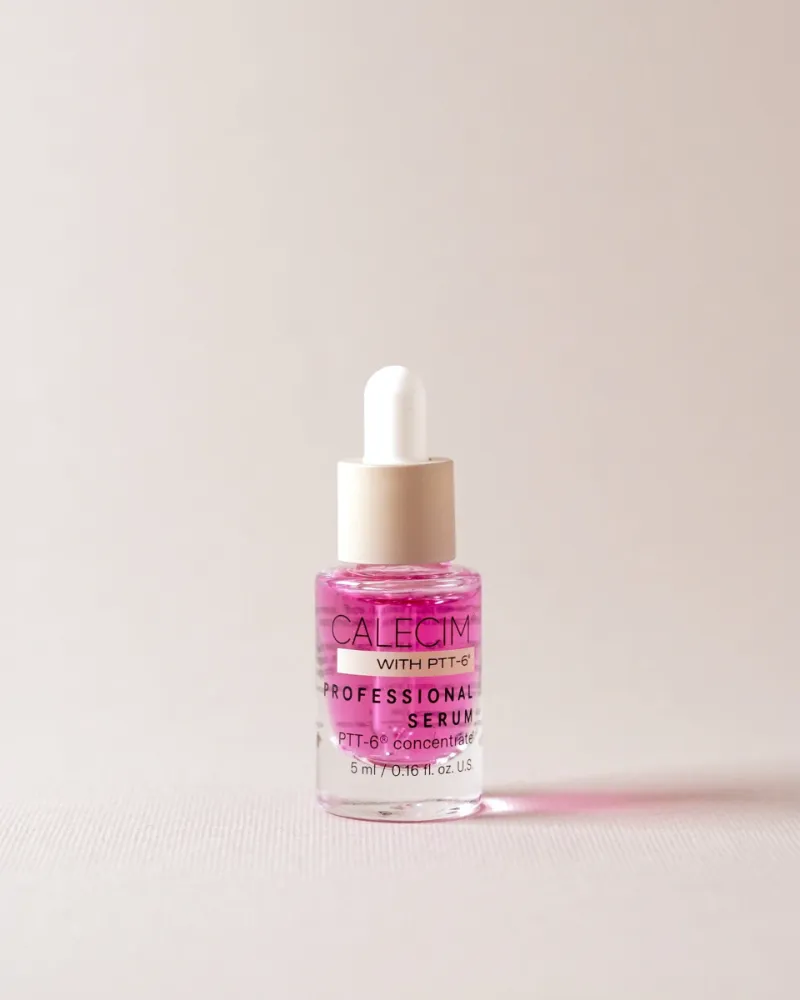
What Makes Calecim Professional Serum Different
Calecim professional serum uses stem cell conditioned media instead of synthetic peptides, delivering a complex mix of growth factors, cytokines, and exosomes that work together to stimulate cellular renewal. While peptide serums like tns serum rely on chains of amino acids to signal skin repair, stem cell conditioned media provides the actual signaling molecules your cells produce naturally during wound healing and regeneration.
The science centers on red deer umbilical cord stem cells, which are harvested ethically and cultured in a controlled lab environment. The cells themselves never touch your skin—instead, the medium they grow in accumulates hundreds of bioactive proteins that those cells secrete. This conditioned media is then processed, sterilized, and formulated into the serum you apply.
How Stem Cell Conditioned Media Works in Skin
Stem cell conditioned media delivers growth factors that bind to receptors on your skin cells and trigger regeneration pathways. These include epidermal growth factor (EGF), transforming growth factor-beta (TGF-β), and vascular endothelial growth factor (VEGF), among dozens of others. Each one plays a specific role: EGF speeds cell turnover, TGF-β stimulates collagen production, and VEGF supports blood vessel formation for better nutrient delivery.
Peptides, by contrast, are short chains of amino acids designed to mimic one specific signal. A copper peptide might stimulate collagen, while a palmitoyl peptide might target fine lines. They work well, but they are single-target tools. Stem cell conditioned media is a broad-spectrum approach—hundreds of signals working in concert the way your body naturally coordinates healing.
Clinical studies on calecim professional serum show measurable improvements in skin thickness, hydration, and texture within eight to twelve weeks. Users report faster recovery from procedures like laser resurfacing or microneedling, which makes sense given that wound healing is exactly what these growth factors evolved to accelerate.
Calecim Professional Serum vs Peptide Serums
Here's how the two approaches compare in practice:
| Feature | Calecim Professional Serum | Peptide Serums |
|---|---|---|
| Active mechanism | Growth factors, cytokines, exosomes | Synthetic peptide chains |
| Number of signals | Hundreds of bioactive proteins | Typically 1-5 peptides per formula |
| Clinical focus | Cellular regeneration, post-procedure healing | Targeted anti-aging (wrinkles, firmness) |
| Texture | Lightweight, absorbs fast | Varies; often serum or cream base |
Medica tns essential serum and skin medica tns are well-regarded peptide options that combine growth factors with antioxidants and peptides, bridging the gap between the two categories. They offer a proven track record for anti-aging routines and pair well with retinoids like medik8 crystal retinal serum.
If you are recovering from a professional treatment or dealing with compromised barrier function, stem cell conditioned media's multi-pathway approach may offer faster visible results. For maintenance anti-aging in healthy skin, a high-quality peptide serum delivers reliable, incremental improvement over months of consistent use.
Who Should Use Stem Cell Conditioned Media
Calecim professional serum fits best into clinical skincare for anti-aging routines and post-procedure protocols. Dermatologists and aesthetic practitioners recommend it after:
- Laser resurfacing or fractional CO2 treatments
- Microneedling or radiofrequency sessions
- Chemical peels that disrupt the barrier
- Any procedure that creates controlled injury to stimulate collagen
It also works well for mature skin (45+) that no longer responds as strongly to retinoids or peptides alone. Growth factor depletion is a natural part of aging, so replenishing those signals from an external source can help restore a more youthful repair cycle.
You can layer it with other actives, but timing matters. Apply stem cell serum on clean skin before heavier treatments like retinoids or acids. Follow with a nourishing moisturizer such as alastin ultra nourishing moisturizer or obagi hydrate luxe to lock in hydration. Avoid mixing it directly with vitamin C or strong acids in the same step, as pH shifts can degrade the proteins.
Building a Routine Around Growth Factor Serums
A balanced clinical routine pairs growth factors with complementary actives that support different aging pathways:
- Morning: Antioxidant serum (vitamin C or E), calecim professional serum, lightweight moisturizer like obagi hydrate facial moisturizer, SPF 30 or higher
- Evening: Gentle cleanser, growth factor or peptide serum, retinoid (start with medik8 crystal retinal serum if you are new to retinoids), rich moisturizer such as sente dermal repair cream
- Weekly add-ons: LED therapy with the omnilux clear led acne mask if you are managing breakouts alongside aging concerns, or a hydrating mask to support barrier repair
Alastin skin nectar is another growth factor option that includes peptides and antioxidants, making it a versatile choice if you want a hybrid formula. Pair it with alastin eye cream to target fine lines and dark circles in the delicate eye area.
For current pricing on any of these products, check The M-ethod Aesthetics discount code page where you can grab 11% off your order. The M-ethod Aesthetics is an authorized professional skincare retailer, so you know you are getting authentic formulas with proper storage and expiration dates.
When Peptides Still Make Sense
Peptides remain a proven, budget-friendly option for daily anti-aging maintenance. They are stable, well-studied, and widely available in formulas that also include hyaluronic acid, niacinamide, and ceramides. SkinMedica TNS serum benefits include a balanced mix of growth factors and peptides, which gives you some of the cellular signaling of stem cell media without the higher price point.
If your skin is healthy, you are under 40, and you are focused on prevention rather than correction, a solid peptide serum will serve you well. Save the growth factor investment for when you need accelerated repair or when peptides stop delivering visible improvements.
Stem cell conditioned media is not a replacement for sunscreen, retinoids, or a consistent routine—it is an advanced tool that amplifies your skin's natural repair capacity. Use it strategically, and grab the latest pricing from an authorized retailer to ensure you are getting the real formulation.
 Shopping at The M-Ethod Aesthetics? See today's verified The M-Ethod Aesthetics discount code
Frequently asked questions
Is Calecim Professional Serum better than peptide serums for anti-aging?
Calecim delivers hundreds of growth factors that work together for cellular regeneration, while peptide serums target specific pathways with synthetic chains. It excels in post-procedure healing and mature skin, but quality peptide serums remain effective for maintenance anti-aging.
Can I use stem cell conditioned media with retinoids?
Yes, apply the growth factor serum first on clean skin, then follow with your retinoid after it absorbs. Finish with a nourishing moisturizer to support barrier function.
How long does it take to see results from Calecim Professional Serum?
Clinical studies show measurable improvements in skin thickness and texture within eight to twelve weeks of consistent use. Post-procedure users often notice faster healing within days.
Where can I buy authentic Calecim Professional Serum with a discount?
The M-ethod Aesthetics is an authorized retailer offering 11% off all orders. Check their discount code page for current pricing and to ensure you receive a genuine product with proper handling.
Do growth factor serums work for sensitive or compromised skin?
Yes, stem cell conditioned media is often recommended after treatments that disrupt the barrier, like laser or microneedling. The growth factors help accelerate repair without irritation, but always patch-test if you have reactive skin.
Can I layer Alastin Skin Nectar with other serums?
Alastin Skin Nectar combines growth factors and peptides, so it layers well with antioxidants in the morning and can precede retinoids at night. Avoid mixing it directly with strong acids or vitamin C in the same step.