
How to Rebuild an Outboard Carburetor With a Carburetor Rebuild Kit

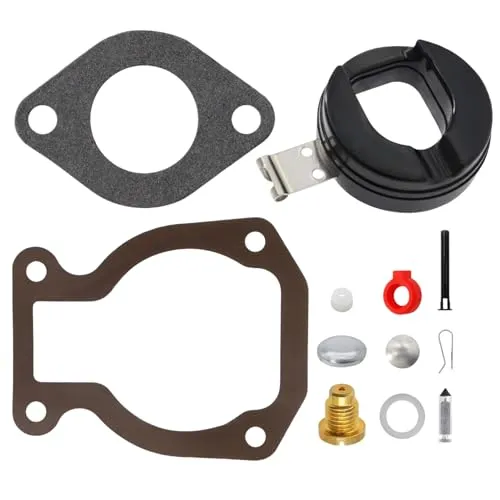
A carburetor rebuild kit is the right fix when your outboard starts hard, idles rough, surges, or leaks fuel but the carb body itself is still serviceable. For many owners of a yamaha outboard, older honda outboards, and engines that use common suzuki outboard engine parts, a careful rebuild restores fuel metering better than a quick spray-clean alone.
If you are shopping parts, we recommend checking the exact kit and the current store offer before you start. You can grab the code for JLM Marine, then match your engine model and carb type to the correct carburetor rebuild kit.
When a carburetor rebuild kit makes sense
A rebuild is usually worth doing when the outboard ran well before storage, the carb is complete, and the problems point to stale fuel, hardened gaskets, or blocked passages rather than major engine damage.
Common signs include:
- Hard cold starts or repeated stalling at idle
- Hesitation when you open the throttle
- Fuel seepage around bowl gaskets or welch plugs
- Poor transition from idle to mid-range
- An engine that improves briefly after priming, then falls flat
For a 2 stroke carburetor rebuild kit job, varnish and diaphragm wear are common issues after long layups. If your engine also has fuel delivery problems upstream, inspect the lines, primer bulb, and electric fuel pump at the same time so you do not blame the carb for a separate fault.
For background on what is normally included in marine and automotive-style kits, these references help: Carburetor Repair Kits and Carb / Carburetor Kits | Rebuild Kits | Holley, Mikuni, Weber ....
What is usually in the kit and what you should reuse carefully
Most kits include the soft parts that age out first. Depending on the carb, you may get:
- Bowl gasket
- Needle and seat
- O-rings and small seals
- Float pin or clip
- Welch plugs
- Diaphragm parts on pulse-style systems
- Mixture screw packing washers
What you usually do not get:
- A new float
- Throttle shaft bushings
- Jets for every calibration
- Replacement carb body castings
That is why exact fit matters. A generic carburetor rebuild kit for motorcycle or carburetor rebuild kit lawn mower search can be useful for understanding parts layouts, but outboard carbs are often engine-family specific. When in doubt, shop by engine model and serial, then check the latest price on the correct marine parts page instead of guessing by appearance.
How to rebuild an outboard carburetor step by step
- Confirm the engine details
- Record the brand, horsepower, model, and serial.
- This is especially important when buying yamaha outboard parts or mixed-year suzuki outboard engine parts, because small carb changes can affect gasket and needle fit.
- Remove the carburetor carefully
- Shut off fuel and disconnect the battery.
- Photograph linkages, springs, and hose routing before removal.
- Label every hose and screw location.
- Strip the carb on a clean bench
- Remove the bowl, float, needle, jets, and accessible mixture screws.
- Count and note the turns on adjustable screws before removal if the manual allows it.
- Keep left and right carb components separate on multi-carb setups.
- Clean every passage properly
- Use carb cleaner, compressed air, and soft probes only where appropriate.
- Never force drill bits or hard wire through jets.
- Clean the bowl, idle circuit, main jet well, and emulsion passages until they flow freely.
- Install the new soft parts
- Fit new gaskets, O-rings, needle and seat, and any diaphragms from the kit.
- Set the float height to the service-manual spec.
- Replace welch plugs only if your kit includes them and you are equipped to seat them correctly.
- Reassemble and bench-check
- Verify the float moves freely.
- Confirm the throttle plate and choke operate without binding.
- Look for obvious leaks before reinstalling.
- Reinstall and test on fresh fuel
- Prime the system and inspect for leaks.
- Start the engine on proper cooling water supply.
- Fine-tune idle only after the engine is fully warmed.
If you are replacing more than carb parts during the job, this is also a good time to refresh clamps, fuel line sections, and add a small amount of marine grease to suitable external pivot points, never inside fuel passages.
Rebuild, clean only, or replace related fuel parts?
Not every rough-running outboard needs the same repair. This quick comparison helps narrow it down.
| Situation | Best next step | Why |
|---|---|---|
| Engine sat with old fuel, now idles poorly but compression is good | Rebuild with the correct kit | Soft parts and internal passages are often the issue |
| Engine runs better after carb spray but problem returns | Full disassembly and rebuild | Surface cleaning rarely fixes blocked internal circuits |
| Fuel starvation appears at higher rpm across multiple carbs | Inspect tank vent, lines, and electric fuel pump | The carb may be fine and the supply side may be weak |
| Corroded carb body, stripped threads, or shaft wear | Replace or professionally remanufacture | A kit will not fix hard-part damage |
For many boaters, the smartest path is to pair the rebuild with a fuel-system inspection and then check the latest price on any extra parts before ordering.
Best fit by brand: Yamaha, Honda, and Suzuki owners
Owners of yamaha outboard motors often run into carb issues after seasonal storage, especially on portable and mid-size engines that sit with ethanol fuel in the bowl. The key is not just buying a kit, but matching it to the exact carb version used on that model year.
With honda outboards, careful documentation during teardown matters because linkage and screw settings can differ across similar-looking carbs. Honda owners also benefit from replacing aged fuel line sections while the carb is off.
If you are sourcing suzuki outboard engine parts, pay close attention to engine codes and any regional parts differences. Suzuki carb assemblies can look interchangeable at a glance, but gasket shapes and needle-seat dimensions may not be.
Mistakes that cause repeat carb problems
A fresh kit will not help much if one of these problems is left behind:
- Reusing contaminated fuel from the old tank
- Skipping the tank vent and fuel line inspection
- Mixing jets or screws between multiple carbs
- Setting float height by eye instead of by spec
- Overtightening soft brass parts
- Forgetting to sync carbs after reinstalling on multi-carb engines
Storage habits matter too. If your boat lives on a trailer, keeping the hull supported with good boat trailer rollers and a proper transom saver reduces transport shock while you sort engine maintenance, but fuel care is what prevents most future carb trouble. Run the engine on stabilized fuel, drain or fog as the manual recommends, and start next season with fresh petrol.
Who should DIY this job and who should outsource it
A careful DIY owner can usually handle a rebuild if:
- You have the service manual
- The carb is complete and not badly corroded
- You can work methodically and keep parts organized
- You are comfortable checking float settings and leak points
It is smarter to outsource the job if:
- The engine has multiple carbs that need synchronization
- You found shaft wear, broken castings, or stripped threads
- The motor also shows ignition or compression issues
- You cannot identify the exact parts breakdown for your model
Our rule is simple: if the engine problem clearly points to old fuel and tired seals, a rebuild is cost-effective. If the carb has hard-part damage or the fuel system is failing elsewhere, fix the whole chain rather than forcing one kit to solve everything.
Before you buy, match the engine details, confirm the parts list, and use the JLM Marine store page to see current pricing and the live discount code. That keeps the job focused, accurate, and much cheaper than ordering the wrong parts twice.
Frequently asked questions
Will one carburetor rebuild kit fit any outboard carb?
Not always. You need to match the kit to the exact brand, model, serial range, and carb version because small differences in gaskets, needles, and seats can matter.
How do I know if my outboard needs a rebuild instead of just carb cleaner?
If the engine has hard starting, rough idle, hesitation, or fuel leakage after sitting with old fuel, a rebuild is often the right next step. If the carb body is corroded or the shaft is worn, replacement or professional repair may be better.
Can I buy yamaha outboard parts and the kit together?
Yes, if you buy by the exact engine model and serial and confirm the carb version. JLM Marine also carries related yamaha outboard parts, which helps if you need more than soft parts during the repair.
Is rebuilding an outboard carburetor a good DIY job?
It can be, especially on simple single-carb engines, but success depends on cleanliness, organization, and using the service manual. Multi-carb setups and sync work are better handled by an experienced tech if you are unsure.
Should I use marine grease during carb reassembly?
Only on suitable external pivots and linkages where the manual allows it. Do not put marine grease inside the carburetor or fuel passages.