
How to Care for Uppervoid Shoes to Extend Their Lifespan

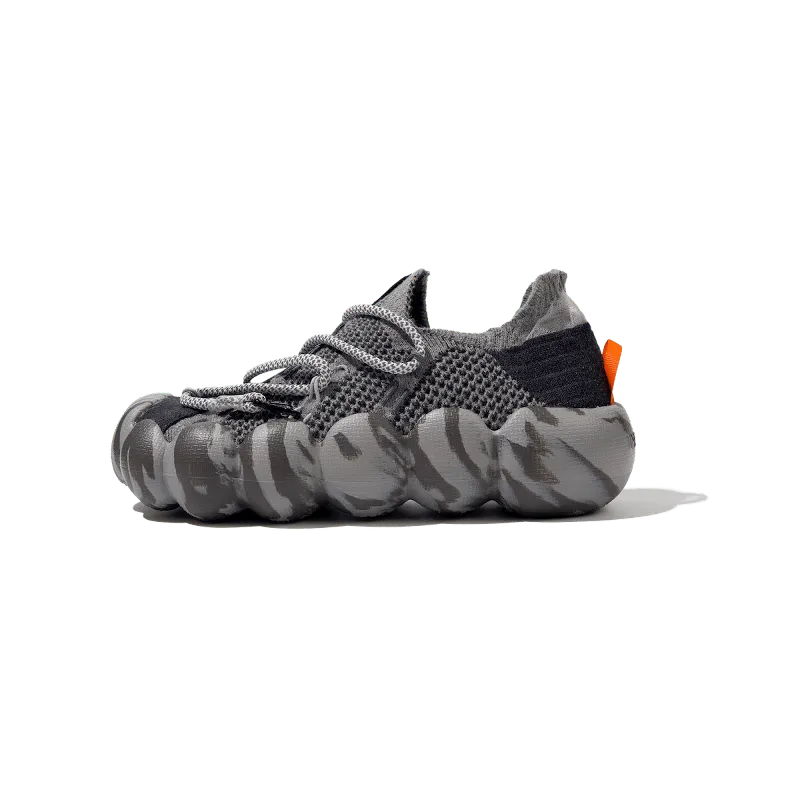
How to Care for Uppervoid Shoes to Extend Their Lifespan
Proper care for uppervoid shoes starts with regular cleaning after muddy runs and correct drying techniques that preserve the materials. We tested Uppervoid's trail footwear across dozens of miles and found that consistent maintenance adds months to their functional life, keeping the cushioning responsive and the uppers intact.
Uppervoid designs lightweight trail running gear that balances breathability with durability, but even the best materials need attention. This guide walks through cleaning methods, storage tips, and repair strategies that work specifically for Uppervoid's footwear construction.
Cleaning Uppervoid Shoes After Trail Runs
Remove loose dirt and debris immediately after each run before mud dries and bonds to the fabric. We knock the soles together outdoors, then use a soft brush or old toothbrush to scrub dried mud from the mesh upper and outsole treads.
For deeper cleaning:
- Mix lukewarm water with a small amount of mild dish soap or laundry detergent
- Dip the brush in soapy water and scrub the uppers in circular motions, focusing on stained areas
- Clean the insoles separately by hand with the same solution
- Rinse thoroughly with clean water to remove all soap residue
- Avoid machine washing, which can delaminate adhesives and warp the midsole foam
Never use bleach, harsh chemicals, or hot water on trail shoes. These break down the synthetic materials and protective coatings that Uppervoid uses in their uppers. The Uppervoid gaias and other accessories can be hand-washed the same way if they pick up trail grime.
Drying Techniques That Preserve Materials
Air-dry your shoes at room temperature in a well-ventilated space, away from direct sunlight and heat sources. We stuff them loosely with newspaper or paper towels to absorb moisture and help them hold their shape while drying. Change the paper every few hours until the interior feels completely dry.
Common drying mistakes to avoid:
- Radiators and heaters cause midsole foam to crack and uppers to shrink
- Direct sunlight fades colors and degrades mesh over time
- Tumble dryers warp shoe structure and melt adhesives
- Storing damp shoes breeds mold and odor-causing bacteria
If you run daily and need faster turnaround, consider rotating between two pairs of uppervoid shoes so each pair gets 24 to 48 hours to dry fully. This rotation also extends the life of the midsole foam by giving it time to decompress between runs. Check the latest price on a second pair if you log high weekly mileage.
Storage and Off-Season Care
Store trail shoes in a cool, dry place with good airflow. We keep ours loosely laced in an open shelf or breathable shoe bag, never in plastic containers or sealed bags where moisture gets trapped.
Before storing shoes for extended periods:
- Clean them thoroughly and let them dry completely
- Remove the insoles and store them separately to improve airflow
- Stuff the toe boxes with acid-free tissue paper to maintain shape
- Keep them away from extreme temperatures and humidity
The materials in outdoor footwear degrade faster when exposed to temperature swings, so avoid garages and attics if possible. Uppervoid's lightweight construction uses EVA and similar foams that can harden or crumble if stored in freezing or excessively hot conditions.
Extending Midsole and Outsole Life
The midsole foam loses cushioning gradually with each impact, but you can slow the breakdown. Rotate shoes regularly to give foam time to rebound, and reserve your trail shoes for actual trails rather than pavement, which compresses foam faster.
Monitor outsole wear patterns:
- Uneven wear signals gait issues or the need for replacement
- Smooth treads lose traction on wet roots and rocks
- Exposed midsole foam through the outsole means retire the pair
We typically see 300 to 500 miles from Uppervoid trail shoes with proper care, though your mileage varies based on terrain, body weight, and running form. When the treads still look decent but cushioning feels dead, the midsole has reached its limit.
Odor Control and Insole Maintenance
Remove insoles after every run and let them air out separately from the shoes. This prevents moisture buildup and bacterial growth that cause persistent odor. We sprinkle baking soda inside the shoes overnight after especially wet or muddy runs, then shake it out in the morning.
For stubborn odors:
- Spray a 50/50 mix of water and white vinegar inside the shoes, let sit for 10 minutes, then air-dry
- Replace insoles every 150 to 200 miles or when they compress flat
- Avoid masking sprays that trap moisture and feed bacteria
Washing insoles by hand in soapy water every few weeks keeps them fresh and extends their support. Let them dry completely before putting them back in your shoes. If you use the Uppervoid nabrok or other Uppervoid apparel, similar odor-control methods work for moisture-wicking fabrics.
Repairing Minor Damage Before It Spreads
Catch small issues early to prevent major failures mid-run. We use Shoe Goo or Aquaseal to repair separated outsole edges, small tears in the mesh upper, and worn toe caps. Apply the adhesive in thin layers, smooth it with a damp finger, and let it cure for 24 hours.
When stitching comes loose on the upper, reinforce it with a needle and heavy-duty thread before the tear grows. For delaminated insoles or heel counters, contact adhesive works better than hot glue, which stays too rigid for flexing footwear.
Know when repair is not worth the effort. If the midsole foam is shot, the heel counter has collapsed, or the upper has multiple large tears, replacement is safer than patching. Grab the code for 10% off when it is time to invest in a fresh pair.
Comparing Care Needs Across Uppervoid Products
| Product | Cleaning Frequency | Special Care Notes |
|---|---|---|
| uppervoid shoes | After every muddy run | Remove insoles to dry separately |
| Uppervoid gaias | As needed | Hand-wash only, air-dry flat |
| Uppervoid nabrok | After each wear | Cold water wash, hang dry |
Trail shoes need the most frequent attention because they contact mud, water, and abrasive surfaces directly. Uppervoid's comfort-focused design uses breathable materials that dry faster than traditional hiking boots, but they still benefit from prompt post-run cleaning.
Consistent care keeps your Uppervoid footwear performing at its best mile after mile. Small habits like removing insoles to dry, cleaning mud before it sets, and storing shoes in breathable spaces add significant time to their usable life and protect your investment in quality trail gear.
Frequently asked questions
How often should I clean my Uppervoid trail shoes?
Clean your Uppervoid shoes after every muddy or wet run to prevent dirt from bonding to the materials. For dry trail runs, a quick brush-off and insole removal is enough between deeper cleanings every few weeks.
Can I put Uppervoid shoes in the washing machine?
No, machine washing can delaminate adhesives, warp the midsole foam, and damage the shoe structure. Always hand-wash with mild soap and lukewarm water, then air-dry at room temperature.
How long do Uppervoid shoes last with proper care?
With consistent maintenance, most runners see 300 to 500 miles from Uppervoid trail shoes. Lifespan depends on terrain, body weight, running form, and how well you rotate and dry your shoes between runs.
What is the best way to dry trail shoes quickly?
Stuff them loosely with newspaper or paper towels and place them in a well-ventilated area at room temperature. Change the paper every few hours until fully dry. Never use heaters, dryers, or direct sunlight, which damage the materials.
How do I stop my Uppervoid shoes from smelling?
Remove the insoles after each run to air out separately, sprinkle baking soda inside overnight, and wash insoles by hand every few weeks. A 50/50 water and vinegar spray also kills odor-causing bacteria.
When should I replace the insoles in my trail shoes?
Replace insoles every 150 to 200 miles or when they no longer provide cushioning and support. Flattened or compressed insoles reduce comfort and increase injury risk on technical trails.