
How to Care for Your Bond & Mason Leather Bag to Make It Last for Years

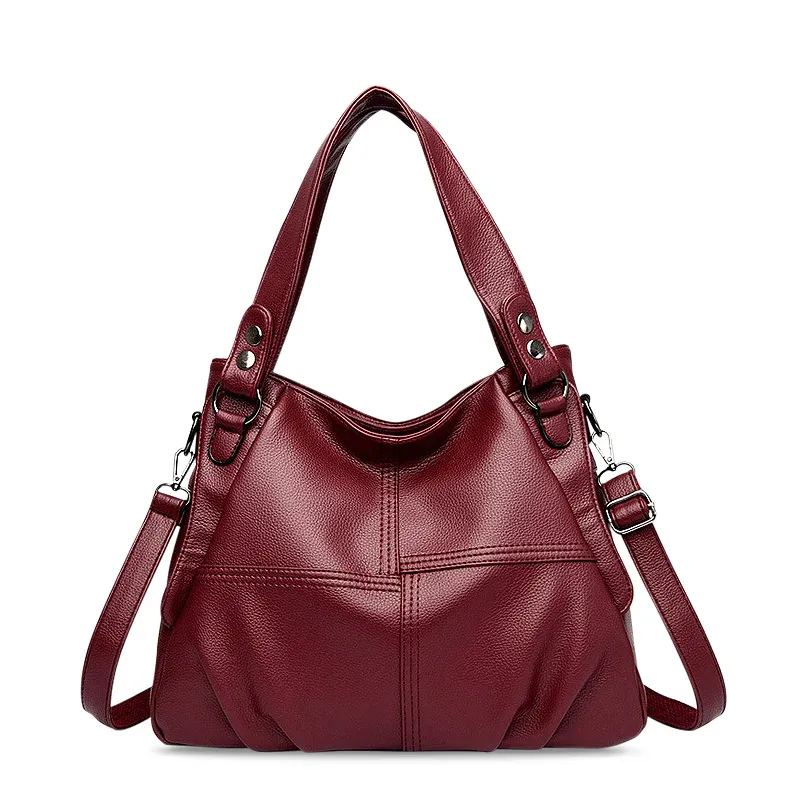
How to Care for Your Bond & Mason Leather Bag to Make It Last for Years starts with three habits: clean it gently, keep it dry without baking it in heat, and store it in a shape-supporting dust bag when you are not using it. Leather rewards consistency more than complicated routines, so a few careful minutes each month can prevent stains, cracking, sagging, and hardware wear.
If you are still deciding which Bond & Mason bag to buy, compare size, leather finish, and current offer details on the store page before checkout. You can check the latest price and code there, including any active order discount.
How to Care for Your Bond & Mason Leather Bag to Make It Last for Years: the basic routine
The best care routine is simple enough that you will actually follow it. We recommend a light weekly check, a deeper monthly clean, and a seasonal conditioning step if the leather feels dry.
Weekly care
- Empty the bag fully, including small pockets where crumbs, pens, and receipts hide.
- Wipe the exterior with a dry, soft microfiber cloth.
- Brush dust from seams, corners, zipper tape, and around hardware with a clean, soft brush.
- Check for ink marks, makeup transfer, water spots, or denim dye before they set.
- Let the bag rest between heavy-use days if you carry it daily.
Monthly care
- Use a barely damp cloth to remove surface grime, then dry with a clean cloth.
- Avoid soaking the leather, lining, straps, zipper, or edge paint.
- Test any cleaner on a hidden area first, such as the underside of a strap.
- Clean handles more often than the body because hand oils build up there fastest.
- Inspect stitching, strap anchors, feet, and zipper pulls for early signs of stress.
Seasonal care
- Condition only if the leather feels dry, stiff, or dull.
- Use a leather conditioner made for the bag’s leather type, not a household oil.
- Apply a tiny amount first, let it absorb, then buff gently.
- Skip heavy conditioners on suede, nubuck, patent, coated, or artificial leather unless the product label says it is safe.
For a useful overview of long-term bag habits, this guide on how to make your leather bags last reinforces the same practical idea: prevention is easier than repair.
Know the material before you clean it
Not every Bond & Mason bag will respond the same way to water, conditioner, or stain treatment. Before you use any product, identify the finish as closely as you can. If the care label or product page gives instructions, follow those first.
| Material or finish | What to do | What to avoid |
|---|---|---|
| Smooth leather | Wipe with a soft cloth, condition sparingly when dry | Soaking, alcohol wipes, heavy oils |
| Pebbled leather | Clean gently along the grain texture | Scrubbing dirt deeper into the pebble pattern |
| Suede or nubuck | Use a suede brush and specialist protector | Standard leather cream, water cleaning |
| Patent or coated leather | Wipe lightly and dry immediately | Abrasive cloths, conditioners that leave residue |
| Artificial leather | Use mild, damp cleaning and keep away from heat | Leather oils, high heat, aggressive solvents |
If your bag is artificial leather or has coated panels, be especially conservative. Community discussions on preserving the longevity of artificial leather often come back to the same themes: reduce friction, avoid heat, clean gently, and do not expect conditioners for full-grain leather to fix peeling or coating damage.
Cleaning mistakes that shorten a bag’s life
Most leather damage we see comes from well-intentioned overcleaning. The goal is not to make the bag look factory-new forever. It is to help it age evenly and avoid preventable damage.
Avoid these common mistakes:
- Using too much water: Leather can absorb moisture, swell, stain, or dry unevenly.
- Drying near a heater: Heat can make leather stiff, brittle, or warped.
- Using baby wipes or disinfecting wipes: Many contain alcohol, fragrance, or cleaners that can strip finishes.
- Applying kitchen oils: Olive oil, coconut oil, and similar products can darken leather and turn rancid.
- Scrubbing stains hard: Friction can remove dye or damage the surface.
- Ignoring handles: Handles collect sweat, lotion, sunscreen, and hand sanitizer.
- Overfilling the bag: Weight stretches handles, strains seams, and changes the silhouette.
If a stain is serious, such as ink, dye transfer, oil, or a large water mark, stop before experimenting. A leather repair professional has a better chance of improving it if the area has not been treated with random products first.
Storage, shape, and everyday carry habits
How you store a bag matters almost as much as how you clean it. Leather can crease, collapse, fade, or pick up color transfer when it is left in the wrong place.
Use this storage checklist:
- Store the bag upright when possible.
- Stuff it lightly with acid-free tissue, a clean cotton T-shirt, or soft packing paper.
- Use the dust bag if one came with it.
- Keep it away from direct sunlight, radiators, damp closets, and car trunks.
- Do not hang a heavy bag by its straps for long periods.
- Keep dark bags away from light bags to reduce color transfer risk.
- Leave zippers and flaps in a natural position, not forced closed over stuffing.
For daily use, try not to carry the same leather bag every single day in every condition. Rain, commuting friction, desk corners, and packed schedules all add wear. Rotating between bags helps straps recover, linings air out, and leather dry naturally after humid days.
If you are buying a new Bond & Mason bag for work, travel, or everyday errands, match the style to the load you actually carry. A smaller crossbody is not the right home for a laptop, water bottle, charger, and makeup pouch. Before buying, grab the current Bond & Mason code and choose the size that prevents overstuffing.
Water, stains, and travel: what to do in real life
Even careful owners get caught in rain or spill coffee near a bag. Quick, calm action helps.
If the bag gets wet
- Blot with a clean, absorbent cloth. Do not rub.
- Empty the bag if the lining is damp.
- Reshape it gently with clean paper or cloth.
- Let it air-dry at room temperature.
- Once dry, reassess the leather before conditioning.
Never use a hair dryer to speed things up. Fast heat can cause more damage than the original moisture.
If you notice a stain
- Water spot: Blot, dry naturally, then buff gently.
- Oil or lotion: Blot immediately and avoid adding water.
- Ink: Do not rub. Ask a professional before using removers.
- Denim transfer: Treat early with a leather-safe cleaner after spot testing.
- Makeup: Lift residue carefully with a dry cloth first, then test a gentle cleaner.
If you travel with it
- Put the bag in a dust bag before placing it inside luggage.
- Keep liquids in sealed pouches.
- Do not crush it under shoes, toiletries, or hard cases.
- Pack straps so they do not bend sharply.
- After travel, empty it, air it out, and wipe down high-touch areas.
Care products: what is worth buying and what is optional
You do not need a shelf full of leather-care products. A few good basics are usually enough.
| Product | Worth it? | Best use |
|---|---|---|
| Microfiber cloths | Yes | Weekly dusting and gentle buffing |
| Leather conditioner | Sometimes | Smooth leather that feels dry |
| Suede brush | Yes, for suede | Lifting nap and removing dry dirt |
| Leather protector spray | Sometimes | Extra protection, only if compatible |
| Random home remedies | No | Too unpredictable for finished bags |
When comparing products, look for compatibility with your bag’s material, not just good reviews. A conditioner that works beautifully on a rugged leather tote may be wrong for a delicate finish. Always test in a hidden spot and wait to see whether the color changes.
This is also where How to Care for Your Bond & Mason Leather Bag to Make It Last for Years becomes personal. If your bag is a daily commuter piece, focus on handles, corners, and weather protection. If it is an occasional evening bag, focus on storage, dust prevention, and avoiding color transfer.
FAQ: Bond & Mason leather bag care
How often should I condition a Bond & Mason leather bag?
Condition only when the leather needs it. For many smooth leather bags, that might be a few times a year, but climate, use, and finish matter. If the leather feels supple and looks even, do not add product just to follow a schedule.
Can I use water to clean my leather bag?
Use as little water as possible. A lightly damp cloth can help with surface grime on some finished leathers, but soaking is risky. Always dry the area with a clean cloth and let it air-dry naturally.
Should I waterproof my Bond & Mason bag?
A compatible protector can help with light moisture, but no spray makes a leather bag fully waterproof. Check the care instructions and test first. Suede, nubuck, patent, coated, and artificial leathers all need different treatment.
How do I stop my bag from losing shape?
Do not overfill it, do not hang it heavily loaded, and store it lightly stuffed. If the base starts sagging, reduce the load and consider using a removable base shaper only if it fits without stretching the leather.
What is the safest first step for an unknown stain?
Blot, stop, and identify the stain. Rubbing or applying multiple cleaners can set damage. If the bag is expensive, sentimental, or light-colored, professional cleaning is the safer route.
Where can I find the latest Bond & Mason offer?
For current pricing and any active discount, use the Bond & Mason store page and check the latest offer before you order.
Bottom line
How to Care for Your Bond & Mason Leather Bag to Make It Last for Years is mostly about restraint: clean gently, condition only when needed, protect it from heat and moisture, and store it with support. Do that consistently, and your bag has a much better chance of keeping its structure, color, and everyday usefulness for years.