
How To Use Bucktool CBN Grinding Wheels For Sharper, Cooler Tool Grinding

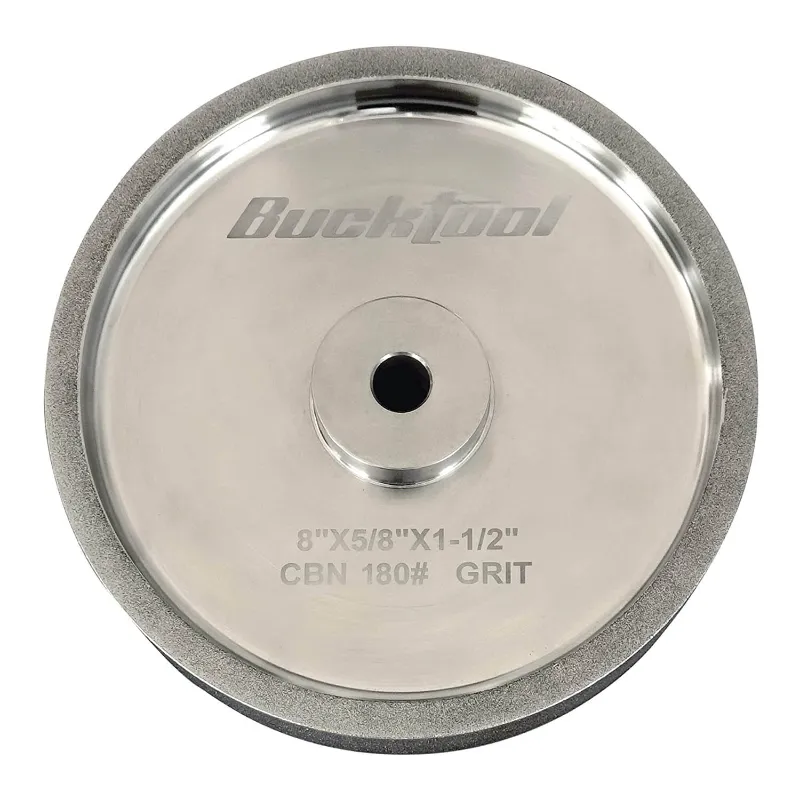
CBN grinding wheels are the fastest upgrade you can make to a bench grinder for sharper edges and cooler, burn-free grinding on tool steel. Unlike standard aluminum-oxide wheels, cubic boron nitride wheels stay flat, run cool, and last for years of heavy shop use. This guide walks through how to set them up on Bucktool equipment, which materials they suit best, and how to get the most out of them.
What Are CBN Grinding Wheels and Why Do They Matter?
CBN (cubic boron nitride) wheels are made by bonding a thin layer of CBN abrasive crystals onto a steel hub. That construction gives them two big advantages over vitrified or aluminum-oxide wheels:
- They do not glaze or load up. The CBN layer holds its sharpness across thousands of tool touches without dressing.
- They run cool. Less heat means no risk of drawing the temper from high-speed steel, O1, A2, or M2 tool blanks.
- They stay perfectly round. No out-of-balance vibration, no periodic truing sessions.
The American Association of Woodturners community has documented years of real-world use showing how CBN wheels outlast conventional wheels by a wide margin in turners' shops, which translates directly to cabinetmaking, metalworking, and general bench-tool maintenance as well.
Choosing the Right CBN Grinding Wheel Size
Bucktool grinders are available in both 6-inch and 8-inch configurations, so sizing matters before you buy.
| Grinder Size | Common Grit Range | Best Use |
|---|---|---|
| 6-inch (cbn grinding wheel 6 inch) | 80 / 180 | Light tool touch-ups, small shop |
| 8-inch (cbn grinding wheel 8 inch) | 80 / 180 | Heavier stock removal, production use |
- 80 grit handles primary bevels, reshaping damaged edges, and fast stock removal.
- 180 grit is the finishing pass that leaves a surface close enough to go straight to a strop or buffing machine.
- Running both grits side-by-side on a two-wheel grinder is the most efficient workflow.
Always match the wheel's bore and speed rating to your specific grinder. Bucktool lists these specs on each product page, so check before ordering.
Setting Up CBN Grinding Wheels on a Bucktool Grinder
The Bucktool Bench Belt Grinder Combo is one of the most versatile platforms in the Bucktool lineup and pairs naturally with CBN wheels for a complete sharpening and grinding station. Here is how to get set up cleanly:
- Power down and unplug the grinder completely before swapping wheels.
- Check arbor thread direction. Most bench grinders use left-hand threads on the left spindle. Tighten by turning toward the wheel's rotation direction.
- Seat the blotters. Use the paper blotters that come with the wheel between the flange and the hub to prevent cracking.
- Set the tool rest gap. Keep it to 1/16 inch or less so there is no risk of a tool catching.
- Run a no-load spin for 60 seconds before bringing any steel to the wheel.
- Dress the rest, not the wheel. CBN wheels do not need dressing. If sparks go off-angle, adjust the tool rest instead.
Dust management matters too. Grinding steel generates fine metallic particles that can damage lungs and contaminate the shop. Adding a cyclone dust collector near the grinder station captures the bulk of that debris before it reaches the filter stage.
Which Tool Steels Work Best With CBN?
CBN is purpose-built for ferrous metals. It outperforms diamond wheels on hardened steel because it does not react chemically with iron at high temperatures.
Ideal materials:
- High-speed steel (HSS) turning tools and drill bits
- O1, A2, and M2 tool steel plane blades and chisels
- Carbon steel knives and axes
- Hardened punch and die steel
Avoid with CBN:
- Carbide tooling (use a diamond wheel instead)
- Non-ferrous metals like aluminum or brass (can load the abrasive layer)
- Ceramics
For chainsaw chain sharpening, CBN grinding wheels for chainsaw sharpeners are a growing niche. The key is using the correct profile wheel matched to your chain pitch, and running at the lower RPM ranges many dedicated chain grinders offer.
Pairing CBN Wheels With the Rest of Your Sharpening Workflow
A CBN wheel handles the grind; the rest of the workflow brings the edge to razor sharpness.
- After grinding: move to a leather strop or the buffing machine with a white compound to polish the flat faces and remove the wire edge.
- For smaller profiles: a finger sander reaches into tight bevel angles and curved edges that a bench grinder cannot access.
- For flat stock prep before grinding: a belt sander removes mill scale or surface rust quickly so the CBN wheel is not doing coarse prep work it was not designed for.
- For drilling mounting holes or jig components: a benchtop drill press gives you consistent, perpendicular holes that keep shop-made tool holders and angle jigs accurate.
Keeping each tool in its proper role protects the CBN layer and extends wheel life significantly.
Maintenance and Long-Term Care
CBN wheels are low-maintenance by design, but a few habits keep them performing at their best:
- Keep the wheel dry. Water or coolant can corrode the steel hub over time. Dry grinding is standard for most bench-grinder CBN setups.
- Clean periodically. A stiff brass brush across the face removes any built-up swarf without damaging the abrasive layer.
- Inspect the bond layer. If the CBN grit looks patchy or the wheel vibrates unevenly, the bond may be failing. Stop use and inspect before continuing.
- Store flat or hung. Never rest a CBN wheel on its edge unsupported, as the steel hub can warp under uneven load.
With proper care, a quality CBN wheel should outlast dozens of conventional abrasive wheels, making the higher upfront cost easy to justify.
Is a CBN Grinding Wheel Worth the Investment?
For anyone sharpening HSS tools regularly, the answer is yes. The combination of flat running, cool cutting, and zero-dress convenience saves time on every session. Casual users who only sharpen a chisel occasionally may find a standard wheel adequate, but production woodturners, knife makers, and metalworkers will feel the difference immediately.
Check out the cbn grinding wheels available in the Bucktool store, and grab the current discount code before you order to take 10% off sitewide. If you are also in the market for a full grinding and sanding station, the Bucktool Bench Belt Grinder Combo is worth comparing at the same time. You can check the latest pricing and the code on our Bucktool deals page.
Frequently asked questions
What are CBN grinding wheels used for?
CBN grinding wheels are designed for grinding and sharpening hardened ferrous metals, including high-speed steel turning tools, O1 and A2 chisels, plane blades, and carbon steel knives. They run cool enough to prevent heat damage to the tool's temper, which is why they are preferred over standard aluminum-oxide wheels for precision tool sharpening.
Can I use Bucktool CBN grinding wheels on any bench grinder?
You can use them on any bench grinder whose arbor size, thread direction, and maximum RPM rating match the wheel's specifications. Always confirm the bore diameter and speed rating listed on the product page before mounting.
Do CBN grinding wheels need to be dressed like regular wheels?
No. One of the main advantages of CBN wheels is that they hold their profile and sharpness without dressing. If you notice uneven cutting, check the tool rest alignment and clean the wheel face with a brass brush rather than attempting to dress it.
What is the difference between a 6-inch and 8-inch CBN grinding wheel?
An 8-inch wheel has a larger contact arc, which can improve consistency on longer bevels and handle heavier stock removal more efficiently. A 6-inch wheel is lighter, suits smaller grinders, and is perfectly adequate for touch-up sharpening in a home shop.
How do I pair the Bucktool Bench Belt Grinder Combo with CBN wheels?
The Bucktool Bench Belt Grinder Combo provides the belt grinding side for coarse shaping and flat surfaces, while a CBN wheel mounted on the grinder side handles precision bevel work on hardened steel. Together they cover the full range from rough stock removal to finished edges without switching machines.
Are CBN grinding wheels safe to use for chainsaw chain sharpening?
Yes, CBN grinding wheels are used for chainsaw chain sharpening, but you need a wheel with the correct profile matched to your chain's pitch and a grinder that runs at the lower RPM ranges typical dedicated chain grinders provide. Check the wheel manufacturer's spec sheet to confirm compatibility before use.