
How to Choose Between BCAA and EAA Supplements for Muscle Recovery

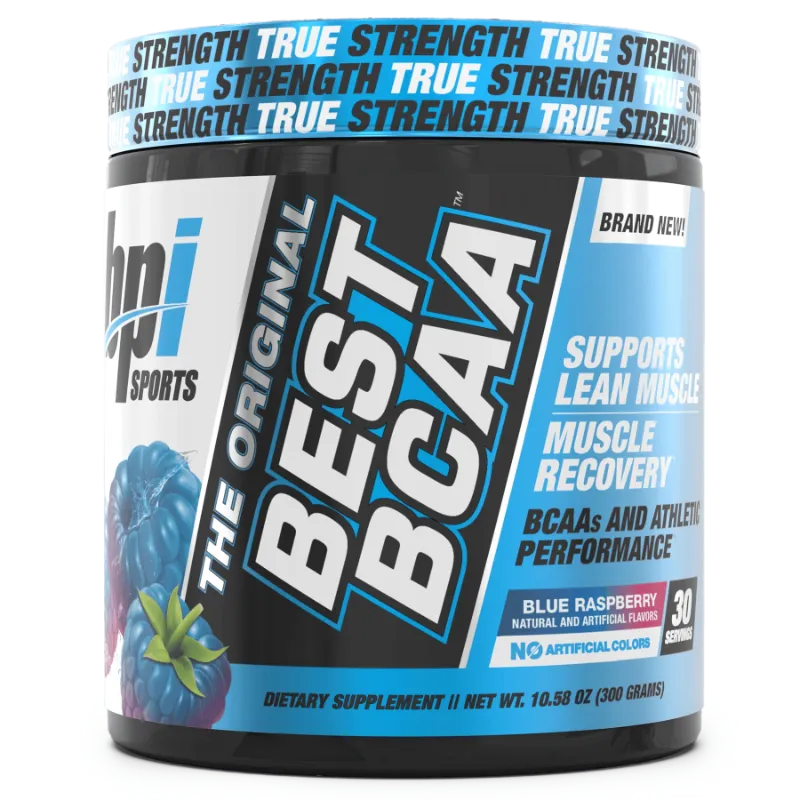
BCAA supplements contain three essential amino acids (leucine, isoleucine, and valine) that support muscle protein synthesis, while EAA supplements provide all nine essential amino acids your body cannot produce on its own. The right choice depends on your diet, training intensity, and recovery needs.
We tested both categories extensively and found that most lifters benefit from one or the other, but rarely need both. This guide walks you through the key differences so you can make an informed decision and grab the code that saves you money on whichever option fits your routine.
What BCAA Supplements Actually Do
BCAAs make up roughly 35% of your muscle tissue and play a direct role in protein synthesis. When you train hard, your body breaks down muscle protein, and leucine in particular signals your muscles to rebuild. A quality bcaa supplement delivers these three aminos in a ratio designed to minimize muscle breakdown during and after workouts.
Research shows that BCAAs may reduce muscle soreness and speed recovery when taken around training. They are especially useful if you train fasted or follow a plant-based diet that does not always provide complete amino profiles. Many lifters stack them with a best pre workout for men to cover both energy and recovery in one session.
The main limitations: BCAAs do not include the other six essential amino acids, so they work best as a supplement to an already protein-rich diet rather than a replacement.
How EAA Supplements Differ
EAA supplements supply all nine essential amino acids, including the three BCAAs plus histidine, lysine, methionine, phenylalanine, threonine, and tryptophan. Because your body needs all nine to build new muscle tissue, eaa supplements offer a more complete building block for protein synthesis.
If your daily protein intake is low or inconsistent, EAAs fill more gaps than BCAAs alone. They are also a better match for endurance athletes and anyone training multiple times per day, since they support broader recovery pathways beyond muscle repair.
The trade-off is cost and serving size. EAAs typically require a larger scoop and cost slightly more per serving because you are getting six additional aminos. For someone already hitting 0.8 to 1 gram of protein per pound of body weight through whole foods and iso whey protein powder, the extra aminos may be redundant.
Who Should Choose BCAA Supplements
You will get the most value from bcaa supplements if you:
- Train fasted or early in the morning before a full meal
- Follow a calorie-restricted diet and want to preserve muscle while cutting
- Prefer a lower-calorie, lighter supplement that mixes quickly
- Already consume enough complete protein from meat, dairy, or hydrolyzed whey protein
BCAAs shine in scenarios where you need targeted support without adding extra calories. We have seen consistent feedback that lifters who sip bcaa aminos during long sessions report less fatigue and faster bounce-back between sets. Women especially appreciate that many BCAA formulas are low in calories and free of stimulants, making them a flexible choice for any time of day.
For current pricing and our exclusive discount, check the latest price at BPI Sports.
Who Should Choose EAA Supplements
EAAs make more sense if you:
- Struggle to meet daily protein targets through food alone
- Train for endurance events or multiple sessions per day
- Follow a vegan or vegetarian diet and need a complete amino profile
- Want an all-in-one recovery supplement that covers more bases
Because EAAs provide a full spectrum, they work well as a standalone recovery drink. Some lifters replace an afternoon snack with an EAA shake to hit their amino targets without the bulk of a full protein meal. If you are comparing best bcaa supplements to EAAs, consider whether you need a targeted boost or comprehensive support.
Timing and Dosage Recommendations
For BCAAs, aim for 5 to 10 grams per serving, taken 15 to 30 minutes before or during training. A 2:1:1 ratio of leucine to isoleucine to valine is the most studied and widely effective. Sipping them intra-workout keeps blood amino levels elevated and blunts muscle breakdown in real time.
For EAAs, 10 to 15 grams per serving is standard. You can take them pre-workout, intra-workout, or post-workout depending on when your body needs the amino support most. If you are pairing EAAs with iso protein powder post-session, space them by an hour to avoid overloading digestion.
Neither supplement replaces whole-food protein. Think of them as insurance for the times your meals fall short or your training demands exceed what diet alone can cover.
Common Questions About BCAA Side Effects and Safety
Both BCAAs and EAAs are generally well-tolerated, but it helps to know what to watch for. BCAAs are considered safe for most people when used at recommended doses, though taking them in very high amounts on an empty stomach can occasionally cause nausea or stomach discomfort.
If you have a history of kidney issues or metabolic disorders, check with a healthcare provider before adding any amino supplement. Pregnant or breastfeeding women should also consult a doctor, since research on supplementation during those periods is limited.
We have not seen widespread reports of serious side effects in our testing, but starting with a half serving and ramping up helps you gauge tolerance. Avoid taking BCAAs or EAAs within two hours of bedtime if the formula contains any stimulants or if you find they interfere with sleep.
Comparison Table: BCAA vs EAA at a Glance
| Feature | BCAA Supplements | EAA Supplements |
|---|---|---|
| Amino Acids Included | 3 (leucine, isoleucine, valine) | 9 (all essential aminos) |
| Best For | Fasted training, cutting, intra-workout | Low protein intake, endurance, complete recovery |
| Typical Serving Size | 5–10 g | 10–15 g |
| Calorie Count | 0–10 per serving | 10–40 per serving |
Making Your Final Decision
Start by auditing your current protein intake. If you consistently hit 0.8 grams per pound of body weight through meals and shakes like iso whey protein powder, a targeted bcaa supplement will cover your intra-workout needs without overlap. If your diet is plant-heavy, irregular, or you train twice a day, eaa supplements offer broader insurance.
We recommend trying one category for four to six weeks and tracking recovery, soreness, and performance. Many athletes find that bcaa supplements benefits show up fastest during cutting phases, while EAAs shine during volume blocks or intense training cycles.
Either way, you do not need both unless you are an elite athlete with very high demands. Pick the one that matches your routine, and use our discount code to save 15% on your first order at BPI Sports.
Frequently asked questions
Can I take BCAA supplements and EAA supplements together?
You can, but it is usually unnecessary and adds cost without much extra benefit. EAAs already include the three BCAAs, so taking both creates overlap. Most lifters do better choosing one based on their diet and training goals.
Do BCAA supplements help with weight loss?
BCAAs may help preserve muscle during a calorie deficit, which supports a leaner body composition. They do not directly burn fat, but maintaining muscle keeps your metabolism higher and improves your physique as you lose weight.
Are EAA supplements better than protein powder for recovery?
EAAs absorb faster and do not require digestion like whole protein, so they work well immediately around training. However, protein powder provides more total protein and is better as a meal replacement or post-workout shake when you need calories and satiety.
What are the most common BCAA side effects?
Most people tolerate BCAAs well. Occasional nausea or stomach discomfort can happen if you take a large dose on an empty stomach. Start with a smaller serving and increase gradually to assess your tolerance.
Should women use different BCAA supplements than men?
No, the amino acid needs are the same regardless of gender. Many brands market formulas for women with added vitamins or lower caffeine, but the core BCAA ratio and dosage work equally well for everyone.
When is the best time to take EAA supplements?
EAAs work well pre-workout, intra-workout, or post-workout depending on your schedule. Taking them around training ensures amino acids are available when your muscles need them most for repair and growth.