

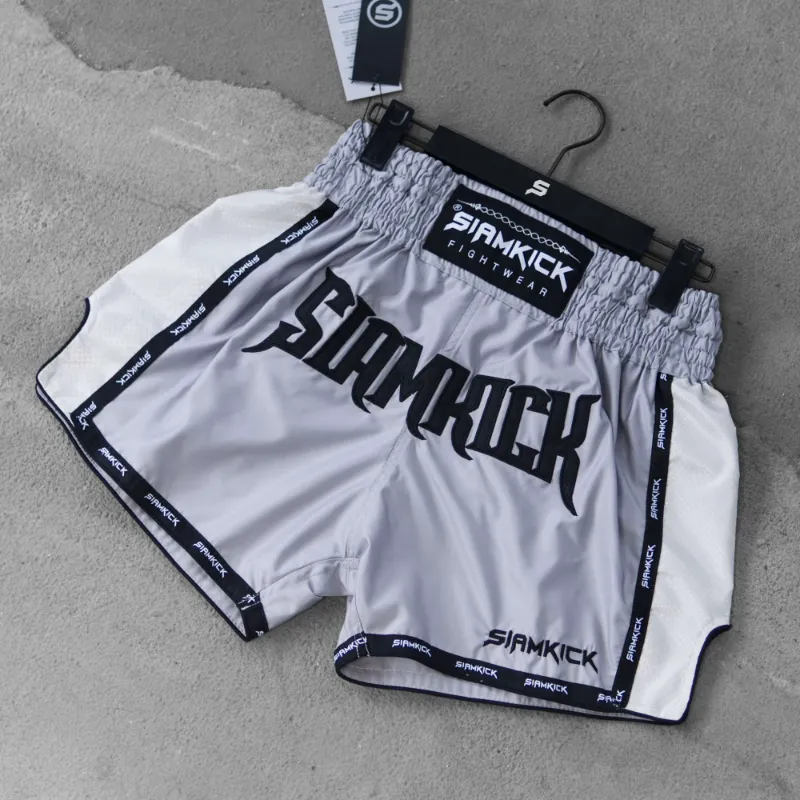
Choosing the right muay thai shorts comes down to three things: a waistband that sits high on the hips, a leg cut wide enough to clear your knee line in the clinch, and a fabric that survives tropical heat and daily washing. Everything else, from print to brand patch, is preference. Here is how we test and think about each part so you buy once instead of three times.
Start With Muay Thai Shorts Sizing, Not Style
Traditional Thai-cut shorts sit noticeably higher on the waist than gym shorts. That is deliberate: the raised waist keeps the waistband clear when you knee, and it stops your shorts riding down when someone lifts you in the clinch. Most people wear the same size in short muay as they do in a regular athletic short, but check two measurements, not one.
- Waist, relaxed: measure around where you want the waistband to sit, usually just above the hip bones, not at the navel.
- Hip and thigh clearance: with legs together, your shorts should not bunch at the crotch. If they do, size up.
- Inseam: Thai-cut shorts are short, often 4 to 6 inches on the inner leg. Western "muay thai style" shorts are frequently longer and can catch on your own knee during a high kick.
- Fit preference: some fighters prefer a snug waist with a loose leg, which is the classic Thai silhouette.
If you are between sizes, pick the larger one and tighten the drawstring. A waistband that digs in during six rounds of pad work is not something you can fix mid-session.
Kickboxing Shorts Materials Compared
Fabric is where cheap shorts fail. Heavy cotton feels nice in the shop and becomes a wet towel in humidity. Satin is the traditional choice and still the fastest-drying option, though it can snag. Microfiber blends are the modern compromise. Polyester mesh is the lightest but can go see-through when soaked.
| Fabric | Best for | What to know |
|---|---|---|
| Satin (polyester) | Clinch, pads, competition look | Dries fast, glides against gloves, snags on velcro |
| Microfiber blend | Daily training, humid climates | Soft, quick-drying, holds print well, less glide than satin |
| Mesh panels / polyester | Hot gyms, long sessions | Lightest and coolest, check stretch and opacity when wet |
When you compare kickboxing shorts with Thai-cut shorts, the same rules apply: the fabric should be thin enough to dry overnight and durable enough to survive velcro on gloves and shin pads.
Training Gear for Humid Climates
Thailand gyms are open-air with fans, and the heat is the test bench. Two things matter more than anything else for training gear in humid climates: how quickly a garment dries and how much it weighs when soaked.
- Thin, quick-dry synthetics beat cotton every time.
- Look for a wide, flat waistband with a real drawstring, not just elastic.
- Avoid heavy rubberised prints, which trap sweat and crack over time.
- Buy two pairs minimum if you train twice a day. Shorts that are still damp at 6am smell by round three.
- Wash shorts after every session, not after every two. Bacteria, not sweat, is what ruins gear.
A light short also matters for clinch work specifically, because you want your partner to feel your body position, not a bunched layer of fabric.
Which Cut for Training, Clinching, and Sparring
Same sport, different demands. We rotate shorts depending on the session:
- Bag and pad work: any Thai-cut short with a secure drawstring. This is where flashy satin is fine.
- Clinch and sparring: pick the shorter, slimmer leg with a smooth outer surface. Loose long shorts give your partner grips you did not offer.
- Conditioning and running: wear a separate pair or wash immediately. Road grit destroys satin faster than anything else.
- Competition: in most amateur rulesets you need shorts in your corner's colours, and many shows require no metal or hard trim. Check with your promoter before you buy.
If you want one pair that covers bag work, clinch, and the gym run, choose microfiber in a shorter leg length.
Spotting Authentic Muay Thai Gear
Authenticity affects fit as much as ethics. Fake satin is stiff and shiny in the wrong way, and the sizing is usually a coin flip.
- Stitching: look inside the waistband. Real gear has consistent, dense stitching and cleanly finished seams.
- Labels: brand labels should be woven or printed cleanly, stitched straight, and consistent with the size tag.
- Fabric hand: authentic satin has a cool, slippery feel and springs back when squeezed. Cheap polyester feels papery.
- Sizing tags: Thai brands often run small. A legit seller will tell you this openly.
- Price that seems too good: treat deep discounts on premium Thai brands as a warning sign unless the seller is known.
Our approach is to buy from a seller who states the fabric, the measurements, and the size chart, and to check the latest price before comparing elsewhere. Buying from a store that answers sizing questions in detail is the single best authenticity filter.
Care, Delivery, and Exchanges
Washing and caring for fight gear is simple if you are consistent. Cold wash, inside out, in a laundry bag with velcro closed. No fabric softener, no tumble dryer. Hang in moving air, not direct sun, and satin will last years. Rinse gloves and shin pads separately, and never wash shorts with velcro straps loose.
Shipping and delivery options matter more than people expect, especially if you are stocking up before a trip. Check the dispatch window rather than the estimated arrival date alone, and confirm order tracking and support channels before you pay. Returns and exchanges are usually fine for unworn, untagged items, but not for shorts you have trained in, so measure first.
If you are buying several pieces at once, grab the code and put the saving towards a second pair.
Choosing a Thai Boxing Gym in Thailand, and What to Wear There
Choosing a Thai boxing gym is partly about the gym and partly about the climate and schedule you can actually commit to. In Phuket, options split broadly into tourist-friendly camps with group classes and private sessions, and fight camps with stricter morning and evening routines. Look at what the muay thai phuket guide covers, then compare: trainer-to-student ratio, whether clinch is taught in group classes, and how many sessions a week you can realistically attend.
For longer trips or if you are weighing camps across the country, our thai boxing gyms thailand rundown is a useful starting point. Whichever gym you pick, bring two pairs of shorts and expect to wash daily.
For the rest of your kit, including gloves, wraps, and a spare pair, our muay thai gear range is where most people start. Buy the shorts that suit your session, size from a real measurement, and the rest of the gear gets easier.
<!-- Word count check target: 900-1300. -->
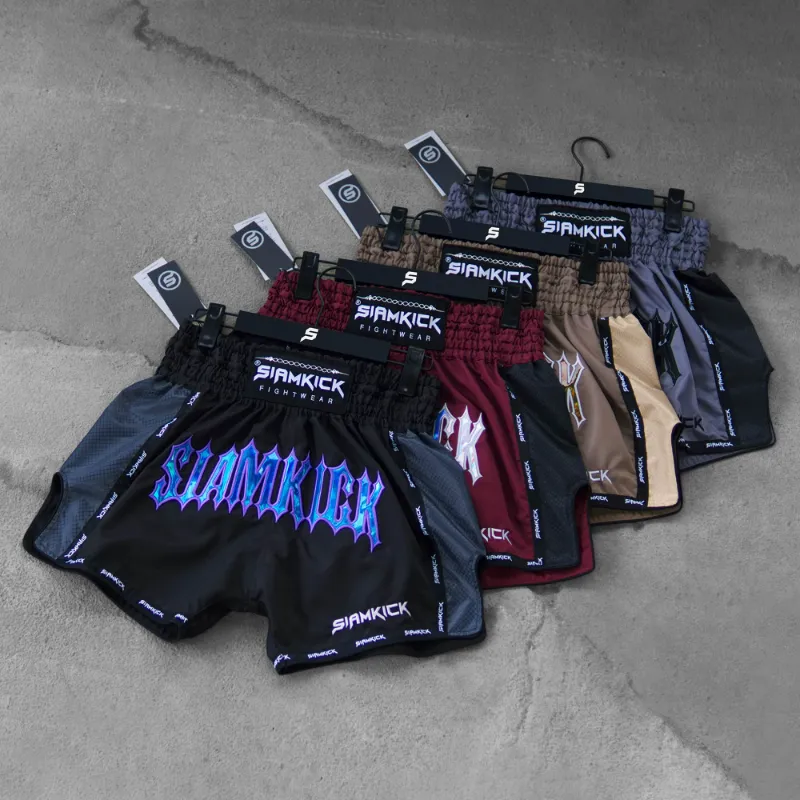 Shopping at Siam Kickfight? See today's verified Siam Kickfight discount code
Frequently asked questions
How do I work out muay thai shorts sizing if I have never worn a Thai cut?
Measure your waist where you want the band to sit, just above the hip bones, and compare that to the size chart rather than your usual trouser size. Thai-cut shorts sit higher and have a shorter leg, so if you are between sizes go up and tighten the drawstring.
Are satin shorts or microfiber better for training in Thailand?
Satin dries fastest and glides well in the clinch, but it snags on velcro and road grit. Microfiber blends dry almost as fast, hold up better to daily washing, and feel softer against the skin, which is why we suggest them for humid climates.
Can I use kickboxing shorts for muay thai training?
Yes, as long as the leg is short enough to clear your knee line and the waistband stays put. Longer kicking-style shorts can catch on your own leg during high kicks and give your partner extra grips in the clinch.
How do I spot authentic muay thai gear online?
Check the inside stitching, the finish on woven labels, and whether the seller publishes fabric type and a real size chart. Authentic satin feels cool and slippery and springs back when squeezed, while cheap fabric feels papery and stiff.
How should I wash shorts after a clinch session?
Cold wash inside out in a laundry bag with all velcro closed, skip fabric softener, and hang to dry in moving air away from direct sun. Wash after every session rather than every second session, since bacteria rather than sweat is what breaks down the fabric.