
How to Choose the Right Electrolyte Sports Drink for Your Workout

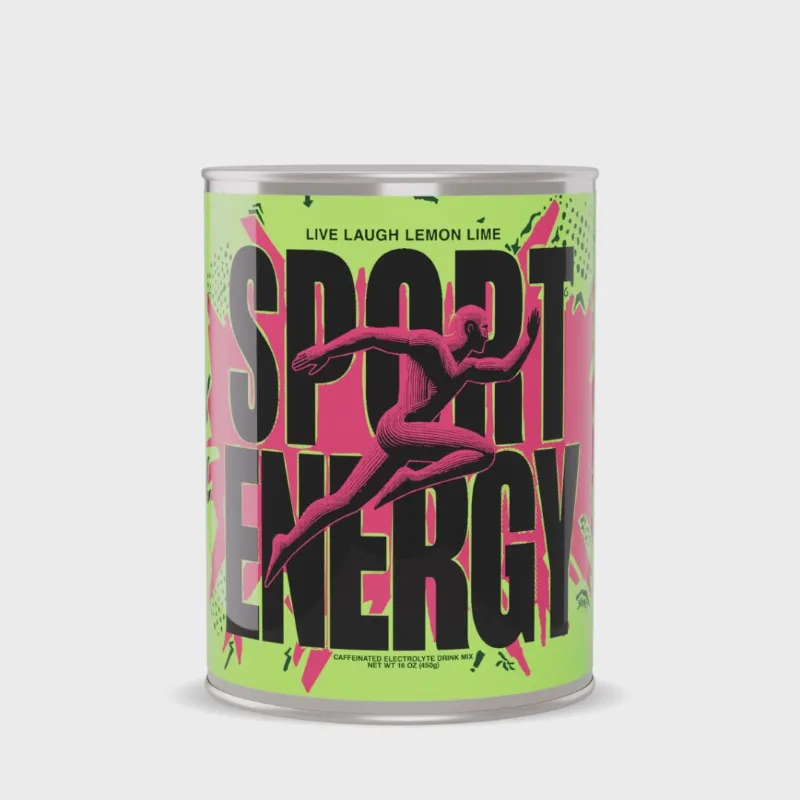
How to Choose the Right Sport Drink Electrolyte for Your Workout
The best sport drink electrolyte replaces what you lose through sweat—sodium, potassium, and sometimes carbohydrates—without overloading your system with sugar or unnecessary additives. Whether you train for endurance events or quick gym sessions, the right sports drink keeps you hydrated, maintains energy, and supports recovery. We tested dozens of formulas to help you match the right option to your workout intensity, duration, and taste preferences.
What Makes a Good Electrolyte Sports Drink
A quality electrolytes sports drink balances three core elements: sodium to replace sweat losses (typically 100 to 500 mg per serving), potassium for muscle function (50 to 200 mg), and optionally carbohydrates for fuel during efforts lasting longer than 60 minutes. Sports Drinks - The Nutrition Source notes that casual exercisers rarely need added carbs, while endurance athletes benefit from 6 to 8 percent carbohydrate solutions.
Look for drinks that list electrolyte content on the label. Avoid formulas where sugar sits at the top of the ingredient list but sodium and potassium are barely present. If you sweat heavily or train in heat, prioritize higher sodium levels. For lighter sessions under an hour, a simple hydration sports drink with minimal carbs often does the job.
Sport Drink Powder vs Ready-to-Drink Options
Sport drink powder offers flexibility and lower cost per serving. You control the concentration, adjust sweetness to taste, and avoid single-use plastic bottles. Most powders store easily in a gym bag and let you mix fresh batches as needed. We recommend sport drink electrolyte powder if you want customizable sodium levels or prefer to dial in your own carb-to-electrolyte ratio.
Ready-to-drink bottles deliver convenience when you're short on time or traveling. Grab a drink sport option pre-mixed and chilled, and you're set. The tradeoff is higher cost and less control over concentration. For race day or long training blocks, many athletes carry powder and mix on the go; for quick gym sessions, a ready-made hydration sports drink saves hassle.
| Format | Best For | Cost | Customization |
|---|---|---|---|
| Powder | Endurance training, heavy sweaters | Low per serving | High (mix strength, flavor) |
| Ready-to-Drink | Travel, convenience, short workouts | Higher | None |
Matching Electrolyte Levels to Workout Intensity
Low-intensity or short workouts (under 45 minutes): Plain water or a light hydration drink with 50 to 150 mg sodium per serving works fine. You're unlikely to deplete electrolytes significantly, so save the heavier formulas for harder efforts.
Moderate intensity (45 to 90 minutes): Choose a sports drinks athletes formula with 150 to 300 mg sodium and at least 50 mg potassium. If the session includes intervals or heat, add a small amount of carbs (10 to 15 g per hour) to maintain energy.
High-intensity or endurance (90+ minutes): Go for electrolytes sports drink options with 300 to 500 mg sodium per serving and 15 to 30 g carbs per hour. This range supports sweat losses during marathons, cycling centuries, or multi-hour team sports. Sports Drinks: Are Electrolytes Healthy for You? confirms that replacing sodium during prolonged exercise helps prevent cramping and hyponatremia.
Test your chosen formula during training, not on race day. Everyone's sweat rate and tolerance differ, so experiment with concentration and timing until you find what settles well.
Key Ingredients to Look For (and Skip)
Must-haves:
- Sodium (100 to 500 mg): the primary electrolyte lost in sweat
- Potassium (50 to 200 mg): supports muscle contraction and fluid balance
- Carbohydrates (optional, 6 to 8%): glucose, sucrose, or maltodextrin for energy during long efforts
Nice-to-haves:
- Magnesium (10 to 50 mg): aids muscle relaxation and recovery
- Calcium (small amounts): minor role in muscle function
Skip or limit:
- Excessive sugar (over 20 g per serving for short workouts): spikes blood sugar and adds empty calories
- Artificial dyes and fillers: unnecessary and potentially irritating
- Caffeine (unless intentional): useful for endurance but can dehydrate or upset the stomach if unexpected
Many sport drink brands now offer "clean" formulas with natural flavors, cane sugar or stevia, and transparent electrolyte profiles. Read the label and compare sodium per serving first, then carbs, then flavor preferences.
Where to Buy and Save on Sport Drink Electrolyte Options
We maintain a regularly updated sport drink discount code page where you can grab 10% off sitewide, check current pricing on all formulas, and compare bulk pack deals. Buying powder in larger tubs or multipacks lowers cost per serving significantly. For sport drink electrolyte powder, a 30-serving canister typically runs half the per-serving cost of ready-to-drink bottles.
Stack the discount with Subscribe & Save programs if the brand offers them, and watch for seasonal sales around marathon season or summer training peaks. You'll get the best value on products like sport drink electrolyte when you buy in bulk and use our code at checkout.
Who Should Use Electrolyte Sports Drinks
You'll benefit most if you:
- Train longer than 60 minutes at moderate to high intensity
- Sweat heavily or exercise in hot, humid conditions
- Notice muscle cramps, fatigue, or dizziness during or after workouts
- Compete in endurance events like marathons, triathlons, or long-distance cycling
You may not need them if you:
- Work out for less than 45 minutes at a conversational pace
- Train in cool environments with minimal sweat loss
- Already eat a balanced diet with plenty of fruits, vegetables, and sodium
Casual gym-goers and short-session athletes often do fine with plain water and a post-workout snack. Save the sport drink electrolyte for efforts that genuinely tax your hydration system. For everything in between, a low-calorie hydration drink or diluted powder mix offers a middle ground without excess sugar.
Check the latest pricing and our exclusive code to stock up on the formulas that match your training plan.
Frequently asked questions
How much sodium should a sport drink electrolyte contain?
Look for 100 to 500 mg sodium per serving, depending on workout intensity and sweat rate. Endurance athletes and heavy sweaters benefit from the higher end of that range, while shorter workouts need less.
Is sport drink powder better than ready-to-drink bottles?
Powder offers lower cost per serving, customizable concentration, and less plastic waste. Ready-to-drink bottles provide convenience for travel or quick gym sessions. Choose powder for flexibility, bottles for grab-and-go ease.
Do I need carbs in my sports drink for short workouts?
No. Workouts under 60 minutes typically don't require added carbohydrates. Save carb-loaded formulas for endurance sessions lasting 90 minutes or more, where glycogen depletion becomes a factor.
Can I use electrolytes sports drink for recovery after exercise?
Yes, especially if you've lost significant sweat. Pair an electrolyte drink with a protein source post-workout to replenish sodium and potassium while supporting muscle repair.
What's the difference between hydration drinks and electrolyte drinks?
Hydration drinks often contain lower sodium and little to no carbs, suited for light activity or daily hydration. Electrolyte sports drinks pack higher sodium and optional carbs, designed for sweat-heavy training and endurance efforts.
Are there any side effects from drinking too much sport drink electrolyte?
Excess sugar can cause stomach upset or unwanted calories, and overloading sodium beyond sweat losses may lead to bloating. Match your intake to actual workout demands and test formulas during training.