
How to Choose the Right Underwater Scooter for Your Diving Style

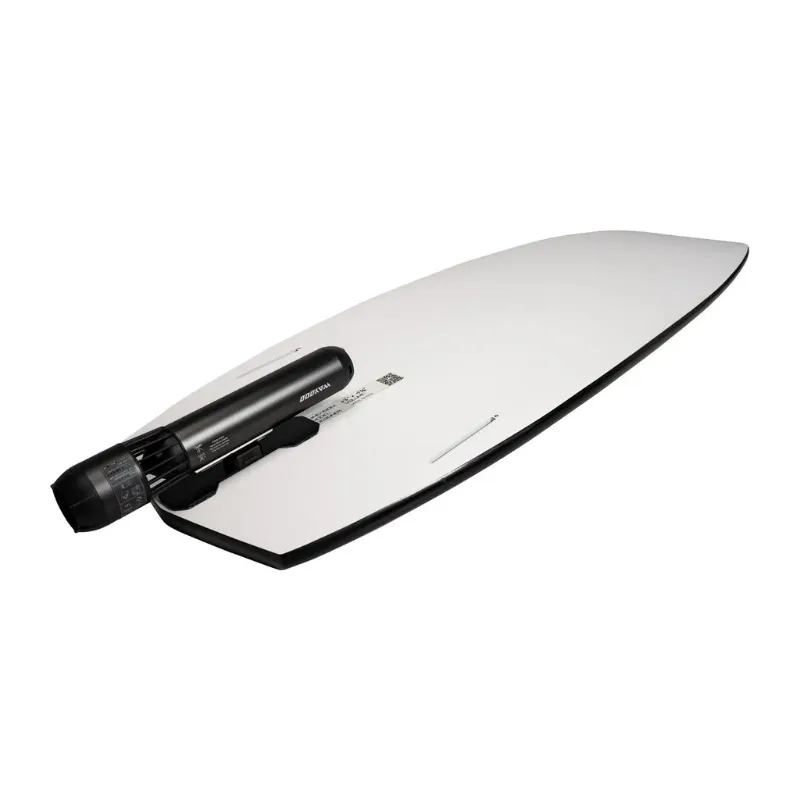
The right underwater scooter transforms your diving experience by extending your range, conserving energy, and letting you explore deeper sites without exhaustion. We've tested dozens of models to help you match features to your actual dive style, whether you're a shallow reef explorer, a technical diver, or a snorkeler looking for surface fun.
Match Depth Rating to Your Dive Profile
Most recreational divers stay above 100 feet, so a waydoo subnado underwater scooter rated to 130 feet covers nearly all open-water scenarios. If you're pursuing advanced wreck or cave dives, look for models rated to 200 feet or deeper—these use stronger housings and seals but weigh more topside.
Shallow-water snorkelers and pool users can save significantly with a banzai underwater scooter, which trades depth capability for lighter weight and kid-friendly controls. Check the spec sheet: depth rating directly correlates with pressure resistance and build quality.
Speed vs. Runtime: The Core Tradeoff
Every sea scooter balances speed against battery life. High-speed models (4+ mph) drain batteries in 30 to 45 minutes, while cruise-focused scooters run 60 to 90 minutes at 2.5 to 3 mph.
- Speed priority: Choose 4+ mph models if you cover large distances, chase pelagics, or dive strong currents
- Runtime priority: Opt for 60+ minute batteries if you shoot macro, explore reefs slowly, or make multi-dive days without recharging
- Dual-speed modes: Many seadoo scooters offer eco and turbo settings so you can toggle based on conditions
We recommend testing your typical dive duration and adding 20% buffer—running out of charge mid-dive means a long, tiring swim back.
Buoyancy and Handling Underwater
Neutral buoyancy matters more than most buyers realize. A negatively buoyant sub scooter sinks when you let go, useful in strong currents but fatiguing on long dives. Positively buoyant models float to the surface, safer for beginners but harder to control in surge.
Look for adjustable buoyancy or trim weights. The aqua scooter includes removable ballast so you can tune it for saltwater versus freshwater, or for your personal weighting. Compact models under 10 pounds suit travel and surface snorkeling, while 15+ pound scooters deliver better tracking and stability in open ocean.
Test the grip ergonomics if possible—trigger-style throttles reduce hand fatigue compared to twist grips during hour-long dives.
Battery Type and Charging Reality
Lithium-ion batteries dominate modern underwater jet models for energy density, but swappable batteries cost extra and require careful maintenance. Integrated batteries simplify logistics but mean you're stuck dockside during the 3 to 5 hour recharge window.
| Feature | Swappable Battery | Integrated Battery |
|---|---|---|
| Recharge downtime | Swap in 2 minutes | 3–5 hours plugged in |
| Travel logistics | Airline restrictions apply | Single unit, simpler |
| Replacement cost | $150–$400 per spare | Full manufacturer service |
For liveaboard trips or multi-tank days, swappable batteries justify the upfront cost. For weekend shore diving, integrated batteries streamline your kit. Always rinse battery contacts with fresh water after salt dives to prevent corrosion.
Action Camera Mounts and Accessories
If you shoot underwater video, verify GoPro or standard mount compatibility before buying. The xtra 360 camera pairs well with scooters that include top-mounted rails, letting you capture POV footage without extra rigging.
Some models offer:
- LED dive lights for low-visibility or night dives
- Depth gauges to track your profile
- Safety lanyards to prevent loss in currents
Avoid overloading your scooter with accessories—each addition increases drag and shortens runtime by 5 to 10 percent.
Who Each Style Suits Best
Recreational vacation divers: A mid-tier underwater scooter with 60-minute runtime, 100+ foot depth rating, and positive buoyancy balances performance and ease of use. Expect to spend time learning trim and buoyancy control with the added propulsion.
Technical and cave divers: Invest in a high-torque, deep-rated model with swappable batteries and proven reliability. Redundancy matters—some divers carry two smaller scooters instead of one large unit.
Snorkelers and surface explorers: Lightweight, shallow-rated models let you cover coral gardens and shorelines without scuba gear. Prioritize portability and quick-dry materials if you're island-hopping.
Families and beginners: Dual-speed sea scooter models with safety cutoffs and flotation provide confidence while kids learn. Supervise young users and practice in a pool before open water.
Where to Buy and Save
We track current pricing and test reports across all major brands. Grab our exclusive Waydoo discount code for $80 off, and compare specifications on the same page to see which models fit your depth and runtime requirements. If you're debating between surface toys like an e foil board and a dedicated dive scooter, consider how much time you spend underwater versus cruising topside—the right tool depends entirely on where you spend your water time.
Most divers find their sweet spot in the 3 mph, 60-minute, 130-foot category. Match that baseline to your specific conditions, then adjust for speed if you chase big animals or runtime if you shoot macro, and you'll land on the right model without overspending on features you'll never use. Check the latest pricing and our tested recommendations to see which scooters earned our top marks this season.
Frequently asked questions
What depth rating do I need for an underwater scooter?
Recreational divers staying above 100 feet can use models rated to 130 feet. Technical divers exploring wrecks or caves should choose scooters rated to 200 feet or deeper for stronger pressure resistance.
How long does a sea scooter battery last?
Runtime varies by speed setting. High-speed models (4+ mph) run 30 to 45 minutes, while cruise-speed scooters last 60 to 90 minutes. Always add a 20% safety buffer to your expected dive time.
Can I bring a Waydoo Subnado on an airplane?
Lithium-ion batteries face airline restrictions, typically capped at 100-160 watt-hours depending on the carrier. Check your scooter's battery spec and confirm with your airline before traveling.
Should I choose a positively or negatively buoyant scooter?
Positively buoyant models float to the surface when released, safer for beginners. Negatively buoyant scooters sink and work better in strong currents. Look for adjustable trim weights to tune buoyancy for your conditions.
Do underwater scooters work for snorkeling?
Yes, lightweight models rated for shallow depths work perfectly for snorkeling. They help you cover more reef area and conserve energy, especially in areas with mild currents.
How much does a good aqua scooter cost?
Quality recreational models range from mid-tier options around a few hundred dollars to advanced technical scooters over a thousand. Check current pricing and discounts to compare features within your budget.