
How to Clean and Maintain Sterling Silver Jewelry at Home

How to Clean and Maintain Sterling Silver Jewelry at Home
A sterling silver ear cuff and other sterling pieces stay brilliant when you clean them regularly with household supplies and store them properly. We tested multiple cleaning methods on our own Amorium Jewelry collection to find what works without damaging delicate details like gemstones or oxidized finishes.
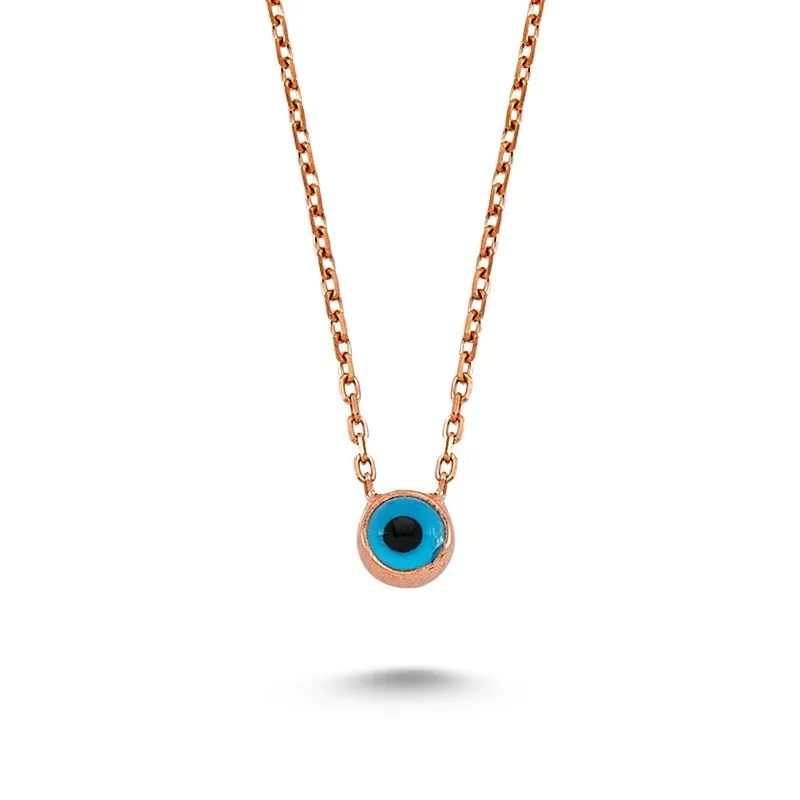
Sterling silver tarnishes naturally when it reacts with sulfur in the air, but you can reverse that discoloration and prevent future buildup with a simple routine. Whether you own a sterling silver evil eye ring, bar earrings, or a blue evil eye necklace, the same gentle techniques keep every piece looking new.
What Causes Sterling Silver to Tarnish
Sterling silver is 92.5% pure silver alloyed with 7.5% copper, which makes it durable but prone to tarnish. The copper reacts with moisture, oxygen, and sulfur compounds in the environment to form a dark layer on the surface.
Common tarnish triggers include:
- Humidity and sweat
- Perfume, hairspray, and lotions applied directly on jewelry
- Exposure to chlorine in pools or cleaning products
- Storing pieces in open air rather than sealed bags
- Contact with rubber bands, latex gloves, or wool (all release sulfur)
Ear cuff silver 925 pieces and other authentic sterling items will tarnish over time regardless of care, but proper handling slows the process significantly.
Best Methods to Clean Sterling Silver at Home
We recommend three proven cleaning methods depending on how tarnished your pieces are and what materials they include.
Warm Soapy Water for Light Cleaning
For weekly maintenance or lightly tarnished pieces, warm water and mild dish soap work perfectly. This method is safe for all sterling silver jewelry, including silver ear cuffs for unpierced ears and delicate chains.
- Mix a few drops of dish soap in a bowl of warm (not hot) water
- Submerge your jewelry for 5 to 10 minutes
- Gently scrub with a soft toothbrush, reaching into crevices
- Rinse under lukewarm running water
- Pat dry immediately with a lint-free cloth
Avoid soaking pieces with porous gemstones like turquoise or pearls for extended periods.
Baking Soda Paste for Moderate Tarnish
When your t initial necklace or other pieces show noticeable discoloration, a baking soda paste cuts through tarnish without scratching.
- Combine three parts baking soda with one part water to form a thick paste
- Apply the paste with a damp cloth or your fingers
- Rub gently in a circular motion, focusing on tarnished areas
- Rinse thoroughly and dry completely
This method works well on smooth surfaces but can be too abrasive for intricate patterns or oxidized finishes that are intentionally darkened.
Aluminum Foil Bath for Heavy Tarnish
For heavily tarnished pieces, an electrochemical reaction using aluminum foil, baking soda, and hot water lifts tarnish without scrubbing. We use this on our sterling silver ear cuff collection when they need deep cleaning.
- Line a glass bowl with aluminum foil, shiny side up
- Place jewelry on the foil so each piece touches it
- Sprinkle one tablespoon of baking soda over the jewelry
- Pour boiling water into the bowl until pieces are covered
- Let sit for 5 to 10 minutes as tarnish transfers to the foil
- Remove, rinse, and dry thoroughly
This method is not suitable for pieces with glued gemstones or certain treated finishes. Check current pricing and grab our discount code before adding new pieces to your collection.
How to Polish and Restore Shine
After cleaning, polishing brings back the mirror-like finish sterling silver is known for.
Polishing cloths are the safest option for all jewelry types. These soft, treated cloths remove tarnish and buff the surface without chemicals. Use gentle back-and-forth strokes rather than circular rubbing, which can create swirl marks.
Silver polish cream works on heavily oxidized pieces but should be avoided on jewelry with intentional patina or blackened details. Apply a small amount to a soft cloth, rub it onto the silver, let it sit for the time specified on the product, then rinse and dry.
Never use paper towels, tissues, or rough fabrics, which can scratch the soft metal. A microfiber cloth or dedicated jewelry cloth is worth the small investment.
Proper Storage to Prevent Future Tarnish
How you store sterling silver between wears matters as much as cleaning. We keep our silver cuff earrings for pierced ears and other pieces in anti-tarnish bags or lined jewelry boxes to minimize air exposure.
Best storage practices:
- Store each piece in an individual plastic zip bag or anti-tarnish pouch
- Add anti-tarnish strips to your jewelry box (they absorb sulfur compounds)
- Keep jewelry in a cool, dry place away from bathrooms
- Avoid stacking pieces, which causes scratches
- Remove jewelry before swimming, exercising, or applying beauty products
For silver ear cuff sets or matching pieces, wrapping them separately prevents tangling and scratching. An evil eye charm bracelet or necklace should hang or lie flat rather than being crumpled into a small compartment.
What to Avoid When Cleaning Sterling Silver
Certain cleaning methods circulating online can damage your jewelry permanently.
Never use:
- Toothpaste (too abrasive and can scratch)
- Lemon juice or vinegar on pieces with gemstones (acid can damage stones and loosen settings)
- Ultrasonic cleaners on jewelry with glued components
- Chlorine bleach (causes pitting and discoloration)
- Harsh commercial cleaners not labeled for silver
If your piece has a rhodium or gold plating over the sterling base, aggressive cleaning will strip that layer. When in doubt, stick to the warm soapy water method.
Special Care for Sterling Silver Ear Cuffs and Earrings
Ear cuffs require extra attention because they sit against skin that produces oils and comes into contact with hair products. We wipe down our sterling silver ear cuff pieces with a soft cloth after every wear to prevent buildup.
For ear cuffs with intricate details or gemstone accents, use a soft toothbrush dipped in soapy water to reach tight spaces. Dry them completely before storing, as trapped moisture accelerates tarnish in crevices.
Silver ear cuffs for unpierced ears often have adjustable or spring mechanisms. Avoid bending these repeatedly during cleaning, and never force them open wider than needed, which can weaken the metal over time.
How Often Should You Clean Sterling Silver
The cleaning frequency depends on how often you wear each piece and your environment. We follow this schedule:
| Wear Frequency | Cleaning Routine |
|---|---|
| Daily wear | Quick wipe after each use, deep clean every 2 weeks |
| Weekly wear | Deep clean monthly, polish as needed |
| Occasional wear | Clean before and after wearing, check storage every 3 months |
Even pieces you rarely wear should be inspected and cleaned every few months if stored in open air. Jewelry kept in sealed anti-tarnish bags can go six months or longer between cleanings.
Visit our discount code page to save 15% on new sterling silver pieces from Amorium Jewelry. Proper care extends the life of every t necklace, ring, and earring in your collection, making each piece a lasting investment.
Clean sterling silver catches light beautifully and elevates any outfit. With these simple at-home methods, you can keep your entire collection brilliant without professional cleaning services or harsh chemicals.
Frequently asked questions
Can I wear my sterling silver ear cuff in the shower?
We recommend removing your ear cuff before showering. Soap residue, shampoo, and hard water minerals accelerate tarnish and can leave a dull film on the metal that requires extra cleaning.
How do I remove tarnish from intricate evil eye charms?
Use a soft toothbrush dipped in warm soapy water to reach detailed areas, or try the aluminum foil bath method which works without scrubbing. Avoid abrasive pastes that can wear away fine details.
Will cleaning remove the black oxidized finish on my jewelry?
Yes, aggressive cleaning methods like baking soda paste or silver polish will remove intentional oxidation. For pieces with darkened details, stick to gentle soapy water and avoid polishing those areas.
How can I tell if my jewelry is real sterling silver?
Look for a 925 or .925 stamp, which indicates 92.5% pure silver. Real sterling silver tarnishes over time, while plated or fake silver often flakes or turns green.
Is it safe to clean gemstone sterling silver jewelry at home?
Yes, but avoid soaking porous stones like turquoise, pearls, or opals for extended periods. Use warm soapy water and a soft cloth instead of acidic or abrasive cleaners that can damage stones or loosen settings.
Why does my sterling silver turn my skin green?
The copper in sterling silver can react with your skin's natural oils, sweat, or lotions, leaving a green residue. Keep jewelry clean and dry, and apply lotion before putting on pieces to minimize this reaction.