
Is a Coffee Sensor Worth Adding to Your Setup for More Repeatable Espresso?

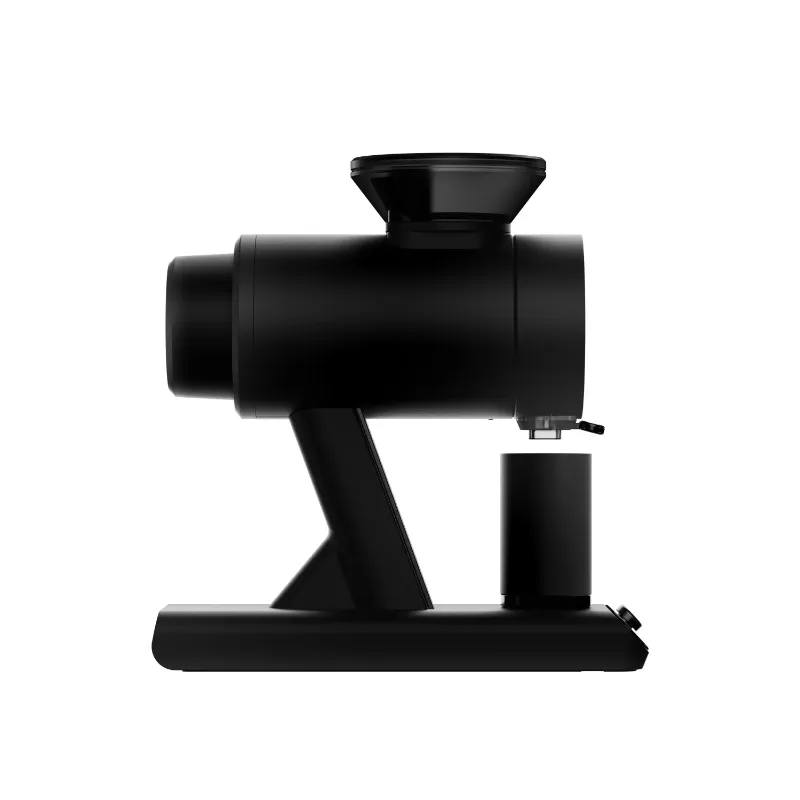
A coffee sensor can be worth adding if you want more repeatable espresso and you are ready to use the feedback it gives you to tighten your workflow. In our testing, it makes the biggest difference when you pair it with a consistent grinder, a scale, and the right basket, rather than expecting one part to fix every shot on its own.
If you already use a bookoo grinder, a bluetooth coffee scale, or an espresso machine with pressure gauge, a coffee sensor fits naturally into a setup built around measurement instead of guesswork. It is less about chasing gear and more about removing variables you cannot see.
When a coffee sensor actually improves espresso
A sensor helps most when your shots are close, but not reliably repeatable. If you are seeing small swings in shot time, flow, or temperature, better feedback can tell you whether the problem starts with prep, grind, puck resistance, or machine behavior.
It is especially useful if you:
- pull espresso several times a week and want the same result each morning
- change beans often and need a faster way to dial in
- use a lever machine or care about pressure and flow changes during extraction
- are already weighing dose and yield but still get uneven results
For newer home baristas, the value depends on the rest of the setup. If you are still using inconsistent doses, eyeballing yield, or working with a worn basket, start there first. A better espresso basket or espresso filter basket may improve consistency before an add-on sensor does.
Coffee sensor vs the basics you should not skip
The biggest mistake we see is adding advanced parts before the basics are under control. A sensor gives you better data, but data is only useful if your puck prep and grind are already reasonably stable.
| Upgrade | What it helps with | Best for |
|---|---|---|
| Coffee scale | Dose, yield, shot timing | Anyone chasing repeatability |
| Grinder | Particle consistency and adjustment | Anyone with channeling or sour-bitter swings |
| Basket | Puck resistance and even extraction | Anyone with messy, uneven shots |
| Sensor | Extra visibility into machine or shot behavior | Users refining a stable workflow |
In practical terms, we would prioritize upgrades like this:
- A reliable grinder such as the bookoo grinder
- A scale like the bookoo themis mini coffee scale or bluetooth coffee scale
- A quality basket matched to your dose
- A sensor if you want to fine-tune and verify what the machine is doing
If you are comparing current pricing or want to buy through BooKoo, check the latest price before you order rather than relying on old deal posts.
How coffee sensor data helps with flow control and temperature
The real appeal of coffee sensor gear is that it gives you clues you would otherwise miss. That matters most for people interested in coffee sensor flow control, manual pressure profiling, or temperature stability.
For example:
- If flow starts too fast, the issue may be too coarse a grind, too little dose, or weak puck prep
- If the shot stalls, the grind may be too fine or the basket may be overfilled
- If results change across back-to-back shots, temperature management may be part of the problem
This is where a coffee sensor thermometer or flow-focused accessory can make sense. Not every home barista needs that level of feedback, but if you enjoy dialing in by measurement, it shortens the guess-and-check process.
For product background, compatibility ideas, and the wider range of parts, the official Coffee Sensor: Coffee Machine Parts - Coffee Machine ... catalog is useful. We also like checking broader buyer feedback through Coffee Sensor Reviews 119 before recommending a niche espresso accessory.
Best setups that benefit most from a coffee sensor
Some espresso setups get more value from a sensor than others. In our view, these are the strongest use cases.
1. Lever and enthusiast machines
If you are running a La Pavoni style machine or another manual setup, feedback is a big advantage. That is why terms like la pavoni coffee sensor show up so often in searches. Lever users usually want to see how technique changes extraction, and a sensor helps translate feel into repeatable steps.
2. Machines with a pressure gauge
An espresso machine with pressure gauge already points you toward data-driven brewing. Adding a sensor can help you understand whether the pressure you see lines up with what the coffee puck is doing in the cup.
3. Small spaces where workflow matters
If your counter is tight, keeping tools organized matters. A coffee filter holder will not change extraction on its own, but it does make your workflow cleaner and more repeatable, which supports the same goal.
When a coffee sensor is not the best next buy
There are cases where we would skip it, at least for now.
Do not make it your next purchase if:
- your grinder cannot make small, repeatable adjustments
- you are not weighing input and output yet
- your current basket is dented, low quality, or mismatched to your dose
- you are still learning basic puck prep and tamp consistency
A sensor is not magic. It will not fix channeling caused by poor distribution, and it will not turn a weak grinder into a precise one. In those situations, your money usually goes further on core tools first.
If you are shopping around seasonal sales like coffee sensor black friday offers, keep the same rule in mind: buy it because it fits your workflow, not just because the discount looks good. For the current BooKoo offer, grab the code and compare it with the specific product you actually need.
Our verdict for most home espresso users
We think this upgrade is worth it for intermediate and advanced home baristas who already have a solid grinder, a scale, and a consistent prep routine. For them, a sensor adds useful visibility and helps turn good shots into repeatable shots.
For beginners, the better move is usually to build a stable foundation first with a grinder, a scale, and the right basket. Once those are in place, a coffee sensor becomes much easier to justify because you can actually act on the information it gives you.
If that sounds like where you are now, check the latest price and match the part to your machine before you buy. The right espresso gear is the gear that makes your daily routine more consistent, not just more complicated.
Frequently asked questions
Is a coffee sensor the best first upgrade for home espresso?
Not always. If you are not yet weighing dose and yield or your grinder is inconsistent, a scale, grinder, or better basket usually delivers a bigger improvement first.
How does a coffee sensor help with repeatable espresso?
It can help you see changes in flow, pressure, or temperature so you can connect what the machine is doing with what ends up in the cup. That is most useful when your workflow is already fairly consistent.
Does a coffee sensor make sense for a La Pavoni style machine?
Yes, it can be a strong match. Lever users often benefit from extra feedback because small technique changes can have a big effect on the shot.
Do I need a coffee sensor if I already have an espresso machine with pressure gauge?
No. A pressure gauge shows one part of the picture, while a sensor can add more detailed insight into how the shot is behaving. Whether that matters depends on how far you want to fine-tune your process.
What should I pair with Coffee Sensor parts for the best results?
Start with a consistent grinder, a scale, and a basket that fits your dose. Those basics make sensor data much more useful because you can trust the rest of your workflow.