
How To Clean And Care For A MEEDEN Wood Palette, Ceramic Palette, And Cold Press Watercolor Paper Setup

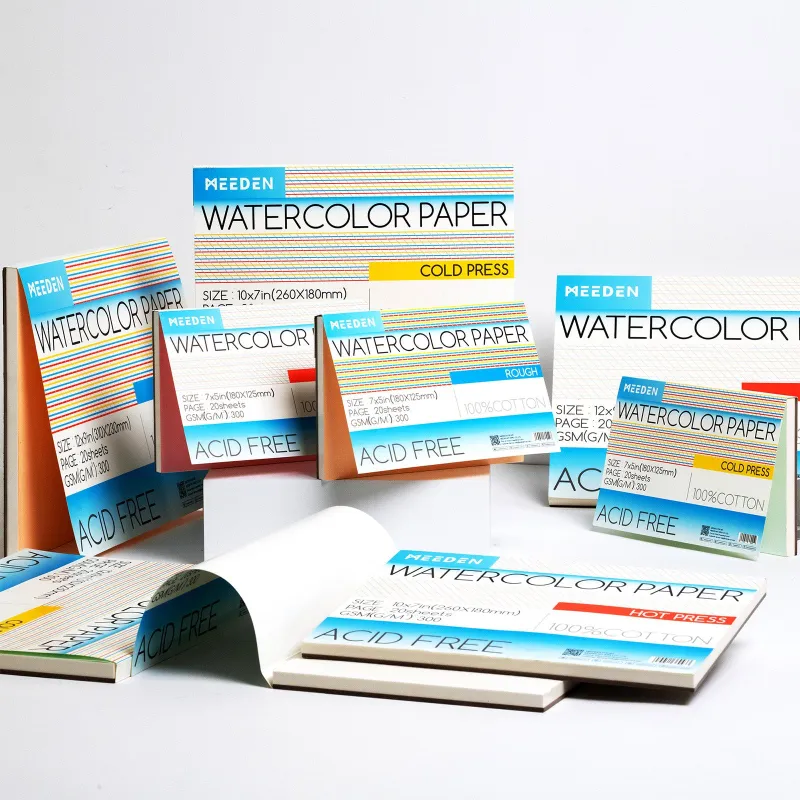
Cold press watercolor paper lasts longer and paints better when you clean your palette right away, keep ceramic surfaces stain-free, and store paper flat in a dry setup. If you use a wood palette, a ceramic palette, and MEEDEN paper alongside a drawing desk table or tripod easel, a simple care routine prevents warping, mold, staining, and rough surface damage.
How to clean a wood palette without drying it out
A wood palette needs fast cleanup and light conditioning. The goal is to remove paint residue without soaking the wood or stripping its finish.
- Wipe off wet paint with a soft cloth or paper towel as soon as you finish.
- Use a slightly damp cloth for stubborn acrylic or watercolor residue.
- Never leave the palette sitting in water or under a running tap.
- Dry it immediately with a clean towel.
- If the surface starts to look chalky or thirsty, apply a very light coat of food-safe mineral oil and wipe off the excess.
This matters even more if you switch between watercolor and a acrylic paint set, because dried acrylic can stick hard to wood and tempt you to scrape too aggressively. If you are comparing current MEEDEN options or looking for the best place to buy, check the latest price before you choose a replacement or backup palette.
What to avoid on wood
- Dishwashers
- Long soaking
- Abrasive scrub pads
- Harsh degreasers
- Metal tools that gouge the surface
A smooth, sealed wood palette is easiest to maintain when you keep paint sessions tidy instead of trying to rescue a heavily built-up surface later.
How to keep a ceramic palette clean and stain-free
Ceramic palettes are usually easier to clean than wood, but they still benefit from a routine. Most stains happen when paint dries fully in the wells or when heavily pigmented colors sit overnight.
- Rinse the palette soon after painting.
- Wash with mild soap and warm water.
- Use a soft sponge or non-scratch brush around the wells.
- For lingering stains, let warm soapy water sit briefly before wiping.
- Dry completely before stacking or storing.
Ceramic is a smart partner for cold press watercolor paper because it keeps washes clean and lets you see true color mixes clearly. If you are building a fuller painting station with a paint kits bundle or reorganizing your workspace, it helps to think of cleanup as part of the setup, not an afterthought.
If you are unsure how different paper surfaces affect your mixes and brush handling, Cold Press vs Hot Press Watercolor Paper is a useful background read.
Cold press watercolor paper care and storage basics
Cold press watercolor paper should be kept flat, dry, and clean to preserve its texture and sizing. That slightly toothy cold press watercolor paper texture is exactly why many artists like it, but it can also pick up oils, dust, and bent corners more easily than people expect.
Use these habits:
- Store sheets flat in a portfolio, drawer, or clean shelf.
- Keep pads away from direct sun, steam, and damp walls.
- Handle the edges with clean, dry hands.
- Slip a backing board underneath loose sheets when painting.
- Let finished work dry fully before stacking.
For many artists, this is the sweet spot for control and texture, which is why cold press watercolor paper for beginners is often the easiest starting point. It handles washes well but still gives enough surface texture to slow the brush slightly.
If your paper curls or buckles
Some buckling is normal with wet techniques, but you can reduce it by:
- Taping or clipping the sheet to a rigid board
- Using a lighter first wash
- Letting each layer settle before adding more water
- Drying the paper flat after the session
If you want more detail on how premium sheets behave under heavier washes, ARCHES Aquarelle offers helpful product background on traditional watercolor paper construction.
Best setup habits for a cleaner painting station
A good setup makes cleanup easier and protects your paper. Whether you paint at a dedicated desk or move supplies around the house, stability matters.
Here is a quick comparison of common MEEDEN-style setup pieces for care and convenience:
| Setup piece | Best use | Care advantage |
|---|---|---|
| drawing desk table | Seated studio work | Keeps paper flat and tools organized |
| tripod easel | Portable or upright painting | Lifts work away from spills on crowded surfaces |
| wood easel | Display or upright painting at home | Helps drying and reduces accidental smudging |
A flat work surface is usually best when you are using watercolor paper, especially if you are mixing broad washes. An easel can still work for lighter moisture levels or for displaying finished pieces while they dry.
Good setup habits include:
- Keep a rinse cup and a clean water cup separate.
- Put palettes on the non-dominant side of your painting hand.
- Keep paper towels nearby so paint never sits too long on the palette.
- Wipe splashes from the desk before they transfer to paper backs.
- Store finished sheets away from wet tools.
If you are shopping around the MEEDEN range, grab the code before you add larger furniture or accessories to your cart.
Cold press watercolor paper vs hot press for cleanup and care
When people search cold press watercolor paper vs hot press, they usually want painting differences, but care is part of that choice too. Cold press is more textured, so granulating effects and broken color show up more clearly. Hot press is smoother, which can make detail work easier, but it also shows scratches and handling marks differently.
| Paper type | Surface feel | Care takeaway |
|---|---|---|
| Cold press | Textured, slightly toothy | Protect from dirt, bent corners, and oily fingers |
| Hot press | Smooth, flatter surface | Protect from scratches and visible surface scuffs |
For most hobby painters, classes, and home studios, cold press watercolor paper is the more forgiving everyday option. It pairs well with a simple palette routine and a stable workstation, which is why many people consider it the best cold press watercolor paper format to learn on when combined with good storage habits.
Who this care routine suits best
This setup works especially well for:
- Beginners who want easy cleanup after short sessions
- Watercolor painters mixing on ceramic but storing tools in compact spaces
- Artists who use a wood palette for selected colors or mixed media
- Anyone building a small home station with MEEDEN furniture and accessories
If your painting area doubles as a dining table, office, or shared room, daily care matters more than buying more gear. Clean the palette before paint dries, protect the paper surface from moisture and fingerprints, and keep your station simple enough that you will actually reset it after each use.
Before you buy replacements or expand your setup, see the current offer so you can compare the latest MEEDEN pricing and code details in one place.
Frequently asked questions
How do I clean a MEEDEN wood palette after acrylic paint dries?
Start by wiping off what you can with a damp soft cloth, then gently loosen residue without soaking the palette. Avoid harsh scrubbing or long exposure to water, because that can damage the wood surface or finish.
Can I use cold press watercolor paper for beginners if I also paint with acrylics sometimes?
Yes, but use it for watercolor-focused work rather than heavy acrylic applications. Cold press watercolor paper is beginner-friendly because its texture helps control washes, but acrylic can be harder on the surface if applied thickly.
What is the safest way to store cold press watercolor paper?
Store it flat in a dry, clean place away from steam, direct sun, and bending pressure. A portfolio, drawer, or shelf with a backing board helps protect the paper texture and corners.
Does a ceramic palette need special cleaner to remove watercolor stains?
Usually no. Mild soap, warm water, and a soft sponge are enough for regular cleanup, and letting soapy water sit briefly can help with stubborn staining.
Is a drawing desk table or tripod easel better for watercolor paper?
A drawing desk table is usually better for wetter watercolor sessions because it supports the sheet more evenly. A tripod easel can still be useful for lighter washes, portability, or drying finished work.