
Do Copper Bracelets Actually Tarnish? How Long They Last

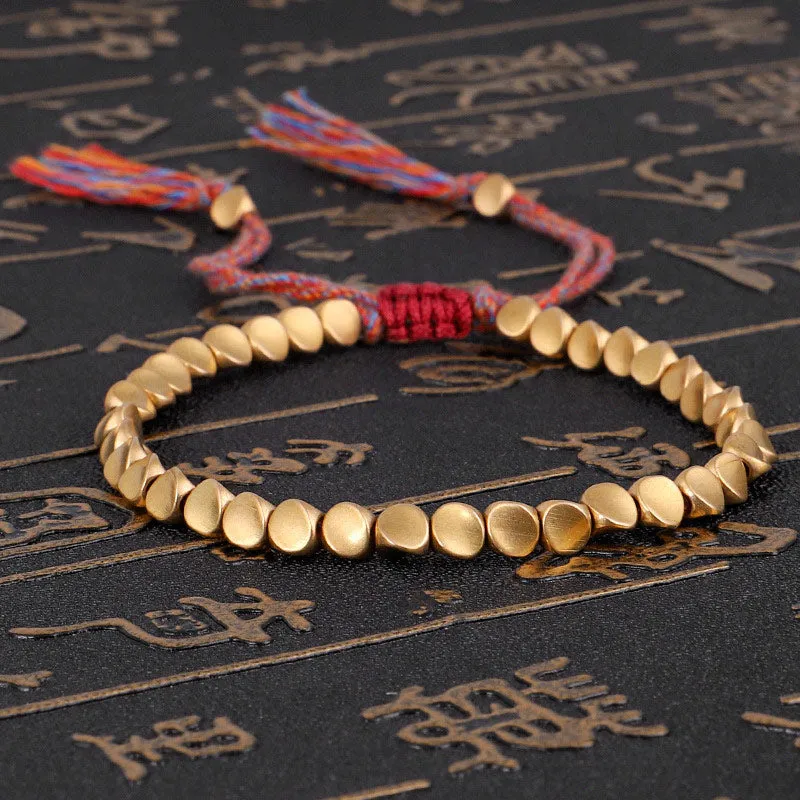
Yes, a copper bracelet does tarnish as it reacts with oxygen, moisture, and oils from your skin. The patina that develops ranges from pink-brown to green-black depending on exposure, but this natural oxidation does not mean your bracelet is damaged or unusable.
Pure copper jewelry develops character as it ages, and many wearers appreciate the antique look. If you prefer the original shine, regular cleaning takes just a few minutes. We tested maintenance routines on handcrafted copper pieces and found that lifespan depends more on care habits than initial quality. Whether you wear a pure copper bracelet for healing or a jade bracelet for spiritual balance, understanding tarnish helps you keep every piece looking its best.
Why Copper Bracelets Tarnish and What It Means
Copper oxidizes when exposed to air and moisture, forming copper oxide (the brown layer) and eventually copper carbonate (the green patina). This chemical reaction is completely normal and happens faster in humid climates or if you wear your bracelet during workouts, swimming, or handwashing.
The green tint some people notice on their wrist is not harmful. It comes from copper salts mixing with sweat and skin oils, and it washes off easily with soap and water. This reaction actually indicates you are wearing genuine copper rather than a plated or coated piece.
Factors that speed up tarnish include:
- High humidity or coastal environments
- Contact with lotions, perfumes, and cleaning products
- Acidic sweat (varies by individual body chemistry)
- Storage in non-airtight containers
Copper bracelets handmade by artisans often use thicker gauge wire, which means more material to oxidize before the structure weakens. Spiritual jewelry collections sometimes pair copper with stones or symbols like the 1111 angel number for added meaning, and these composite designs may tarnish unevenly depending on the metals used.
How Long a Copper Bracelet Lasts With Normal Wear
A well-made copper bracelet can last decades if you clean it occasionally and store it properly. The metal itself does not degrade quickly, but the finish and appearance will change. We have seen bracelets worn daily for five years that still hold their shape and clasp function, though they cycle between shiny and tarnished depending on the owner's cleaning routine.
Thin fashion pieces (under 1 mm wire) may bend or break sooner than thicker therapeutic bands. If you are exploring copper bracelet health benefits or wearing it for pain relief, choose a design with at least 2 mm thickness and a secure closure. Magnetic clasps and adjustable cuffs tend to outlast delicate chains.
Expected timeline with regular wear:
- First month: Bright copper dulls to a matte rose-gold as the first oxide layer forms
- 3 to 6 months: Brown patina appears, especially on the underside touching skin
- 1 year+: Green spots may develop if exposed to moisture frequently
- 5+ years: Deep, even patina if left untreated, or maintained shine if cleaned monthly
Spiritual pieces like the 444 angel number bracelet or 888 angel number design hold up just as long as plain copper bands. The longevity depends on the base metal quality and your care, not the engraving or embellishments.
Cleaning Your Copper Bracelet to Remove Tarnish
Restoring shine takes minutes with household ingredients. We tested four methods and ranked them by speed and gentleness.
Lemon juice and salt (fastest for heavy tarnish): Mix the juice of half a lemon with one teaspoon of salt. Rub the paste onto the bracelet with a soft cloth, then rinse and dry immediately. This works in under two minutes but can be abrasive if you scrub too hard.
White vinegar soak (best for intricate designs): Submerge the bracelet in a bowl of white vinegar for 10 to 15 minutes. The acid dissolves oxidation without scrubbing. Rinse thoroughly and pat dry. This method suits pieces with detailed patterns or stones, like a koi fish charm bracelet.
Baking soda paste (gentlest option): Mix three parts baking soda to one part water. Apply the paste, let it sit for five minutes, then gently rub with a damp cloth. Rinse and dry. This is safe for daily-wear pieces and minimizes scratching.
Commercial copper polish: Follow the product instructions. These polishes work quickly but may contain harsh chemicals, so rinse well and avoid skin contact before the bracelet dries.
After cleaning, apply a thin layer of clear nail polish or jewelry wax to slow future tarnish. This protective coat lasts a few weeks and is invisible once dry. For ongoing maintenance, wipe your bracelet with a microfiber cloth after each wear to remove oils and moisture.
If you are comparing materials, a jade bracelet requires less frequent cleaning since jade does not oxidize, but copper offers unique properties that many wearers value. Check our Buddha Stones discount code for current pricing on both styles.
Side Effects of Wearing a Copper Bracelet and How to Avoid Them
Most people tolerate copper jewelry without issue, but a small percentage experience skin reactions. The green discoloration we mentioned earlier is cosmetic and harmless, but true copper allergy causes itching, redness, or a rash at the contact point.
If you notice irritation:
- Remove the bracelet and wash the area with mild soap
- Apply a barrier like clear nail polish to the inside of the band
- Limit wear time to a few hours per day initially
- Choose a design with a fabric or leather backing
Some users report copper bracelet health benefits including reduced joint pain and improved circulation, though scientific evidence remains limited. If you wear a pure copper bracelet for healing or arthritis relief, monitor your skin and consult a healthcare provider about any persistent discomfort.
Avoid wearing copper during activities that trap moisture against your skin, like long workouts or swimming. The combination of sweat, chlorine, or saltwater accelerates both tarnish and the chemical reaction that stains skin. Remove your bracelet before applying lotions or perfumes, as these products can also speed oxidation.
Spiritual jewelry wearers often rotate pieces to give each one a rest. If you cycle between a copper band, a 555 angel number bracelet, and other styles, you reduce daily exposure and extend the life of every piece in your collection. Grab the latest Buddha Stones code to explore options that complement your copper jewelry.
Storing Copper Jewelry to Prevent Tarnish
Proper storage slows oxidation significantly. We compared storage methods over six months and found that airtight containers with anti-tarnish strips kept copper brightest.
Best practices:
- Store each bracelet in a separate ziplock bag or small airtight container
- Add a silica gel packet or anti-tarnish strip to absorb moisture
- Keep jewelry in a cool, dry drawer away from bathrooms (high humidity)
- Wrap delicate pieces in soft cloth to prevent scratches
Avoid storing copper in open jewelry boxes or hanging it on display racks, as constant air exposure speeds tarnish. If you collect multiple spiritual pieces like the 222 angel number or 1212 angel number bracelets, label each bag so you can rotate your favorites without digging through a tangled pile.
For travel, use a padded jewelry roll with individual compartments. This protects against physical damage and limits air exposure. If you are packing for a beach trip or humid destination, double-bag your copper jewelry and leave it in your luggage rather than wearing it in saltwater or chlorinated pools.
Copper Bracelet for Men: Style and Durability Considerations
Copper bracelet men's designs typically feature wider bands, heavier gauge wire, and bold closures. These pieces handle daily wear better than delicate chains and develop a rugged patina that many guys prefer to a polished finish.
| Feature | Men's Copper Bracelet | Women's Copper Bracelet |
|---|---|---|
| Wire thickness | 3 to 6 mm | 1 to 3 mm |
| Closure type | Magnetic clasp or open cuff | Lobster clasp or adjustable chain |
| Patina preference | Often left natural | Usually polished regularly |
If you are shopping for a copper bracelet for pain relief or wellness, prioritize fit over style. The band should sit snugly without pinching, and you should be able to slide one finger underneath. Adjustable cuffs work well for wrist sizes that fall between standard measurements.
Men who work with their hands may prefer a simpler design without protruding charms or stones. A smooth copper cuff withstands more impact than a piece with delicate angel number engravings, though both styles tarnish at the same rate. For spiritual meaning without fragility, consider pairing your copper band with a separate charm bracelet featuring symbols like the 666 angel number or koi fish.
Check the store's current offer to compare copper options alongside other wellness jewelry. Rotating between copper and alternative materials like stainless steel or leather gives your wrist a break and extends the life of each piece in your collection.
Frequently asked questions
How often should I clean my copper bracelet?
Clean your copper bracelet every two to four weeks if you wear it daily, or whenever you notice visible tarnish. A quick wipe with a soft cloth after each wear helps prevent buildup.
Is the green mark from a copper bracelet harmful?
No, the green tint is harmless copper salt residue that forms when the metal reacts with sweat and oils. It washes off easily with soap and water and indicates genuine copper.
Can I wear my copper bracelet in the shower?
Avoid wearing copper jewelry in the shower, as constant moisture and soap accelerate tarnish and may weaken clasps over time. Remove it before bathing or swimming.
Do copper bracelets for health actually work?
Scientific evidence for copper bracelet health benefits is limited, though some wearers report reduced joint pain. If you try one for pain relief, monitor your symptoms and consult a healthcare provider for persistent issues.
How do I stop my copper bracelet from turning my wrist green?
Apply a thin coat of clear nail polish to the inside of the band, remove the bracelet during sweaty activities, and clean it regularly. These steps reduce the chemical reaction that causes green discoloration.
Will a copper bracelet last as long as a jade bracelet?
Both materials can last decades with proper care, but copper requires more frequent cleaning to maintain its appearance since it tarnishes while jade does not oxidize.