
Crossbody vs. Tote: Which Bond & Mason Bag Is Right for Your Lifestyle?

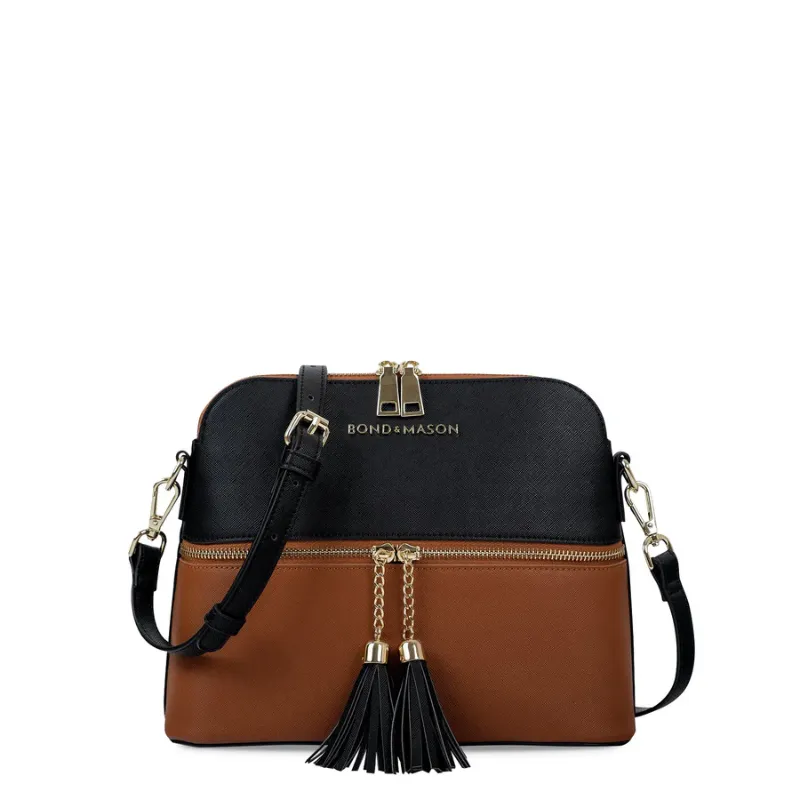
Crossbody vs tote bag comes down to how much you carry, how hands-free you need to be, and whether your day is more movement-heavy or load-heavy. Choose a crossbody if you want security, light carry, and quick access while commuting or traveling. Choose a tote if you need more capacity for work gear, errands, layers, or anything that does not fit neatly into a smaller daily bag.
Bond & Mason shoppers often ask this because both styles can look polished, but they solve different problems. Below, we break down the real-life differences so you can pick the bag that fits your routine before you check the latest Bond & Mason offer.
Crossbody vs Tote Bag: The Quick Decision Table
If you are deciding fast, start with your daily carry. A beautiful bag that is the wrong size or carry style will sit in the closet, while the right one becomes automatic.
| Lifestyle need | Better choice | Why it works |
|---|---|---|
| Hands-free commuting | Crossbody | Keeps essentials close without occupying your hands |
| Laptop, notebook, or larger items | Tote | Usually offers a wider opening and more usable volume |
| Travel sightseeing | Crossbody | Easier to keep in front of your body in crowds |
| Office-to-errands day | Tote | Handles mixed loads better, including purchases and extras |
| Minimal everyday carry | Crossbody | Encourages a lighter, more organized setup |
| Parent, teacher, or all-day multitasker | Tote | More flexible when your contents change throughout the day |
The simplest rule: if your bag regularly needs to hold only wallet, phone, keys, sunglasses, lip balm, earbuds, and a few extras, a crossbody is probably enough. If you often add a tablet, water bottle, scarf, lunch, papers, or small purchases, a tote is the safer bet.
When a Bond & Mason Crossbody Makes More Sense
A crossbody is the better everyday bag when movement matters more than maximum capacity. Because the strap runs across your body, weight is distributed more securely than a short shoulder strap, and the bag tends to stay put as you walk, shop, commute, or travel.
A crossbody is especially practical if you:
- Take public transit and want your essentials close
- Walk a lot during the day
- Prefer a smaller, lighter bag
- Want to keep both hands free for coffee, luggage, a stroller, or your phone
- Tend to overpack and want a bag that forces editing
- Need quick access to cards, keys, or transit passes
For travel, many people like crossbody bags because they can rotate the bag to the front of the body in busy areas. Community travel discussions, like this Reddit thread on choosing between a backpack or tote, messenger, sling, or crossbody bag, often come back to the same tradeoff: accessibility and security versus capacity and weight distribution.
The possible downside is space. A crossbody can feel cramped if you carry bulky sunglasses cases, a large wallet, a paperback, snacks, charging gear, and a water bottle. It also needs an adjustable strap that sits comfortably across your chest or shoulder. If the strap is too narrow and the bag is overloaded, it can dig in.
When a Bond & Mason Tote Is the Better Pick
A tote is the stronger choice when your day is unpredictable. It gives you room to add and remove things without repacking the whole bag. That makes it useful for workdays, shopping, errands, gym add-ons, or anyone who carries more than the basics.
Choose a tote if you regularly carry:
- A laptop, tablet, planner, or notebook
- A water bottle or travel mug
- Lunch, snacks, or small grocery items
- A sweater, scarf, umbrella, or kid items
- Beauty pouch, chargers, headphones, or glasses case
- Paperwork, books, or returns
The biggest advantage of a tote is flexibility. The opening is usually wider, the interior is easier to see, and the bag can handle awkward shapes better than a compact crossbody. If you are moving from work to dinner or from school pickup to errands, that extra space can matter.
The tradeoff is that totes can get heavy fast. A shoulder-carried tote may pull on one side of the body, especially if you pack a laptop, bottle, and other dense items. If you choose a tote, look for comfortable handles, a structure that does not collapse too much, and enough interior organization that your phone and keys do not disappear at the bottom.
Sizing and Organization: What to Check Before Buying
The best way to settle the crossbody vs tote bag question is to list your non-negotiables before you shop. Do not start with color or shape. Start with what must fit.
Use this quick sizing test:
- Empty your current bag.
- Put your daily essentials into three piles: must carry, nice to have, occasional.
- Measure or note the largest item, such as a tablet, book, wallet, or glasses case.
- Decide whether that item needs to fit every day or only sometimes.
- Choose the smallest bag that handles the must-carry pile comfortably.
For a crossbody, pay close attention to:
- Strap adjustability
- Main compartment opening
- Phone pocket placement
- Whether your wallet fits without angling
- Zipper or flap security
- Interior pockets for cards, keys, or earbuds
For a tote, check:
- Handle drop and shoulder comfort
- Whether it stands up or slouches
- Closure type, such as zipper, snap, or open top
- Laptop or tablet compatibility, if relevant
- Pocket layout
- Weight before it is packed
If you are deciding between two Bond & Mason styles, compare the product photos against your actual carry list, then grab the current code before checkout if the store page has an active offer.
Materials, Durability, and Care Considerations
Style matters, but material determines how your bag ages. For both crossbodies and totes, think about where the bag will be used most: office, travel, commuting, school runs, or weekend errands.
Common buying considerations include:
- Leather or leather-like finishes: Polished and versatile, but may need more careful conditioning or cleaning depending on the material.
- Canvas or fabric: Often casual and lighter, but may show stains more quickly.
- Structured materials: Look sharper for work and protect contents better, though they may feel less flexible.
- Soft materials: Comfortable and relaxed, but can lose shape if overloaded.
- Hardware and zippers: These are high-use areas, so smooth operation and secure closures matter.
Care is straightforward if you keep up with it:
- Empty receipts and crumbs weekly.
- Store the bag upright or lightly stuffed to preserve shape.
- Avoid overloading straps and seams.
- Wipe small marks early instead of letting grime build up.
- Keep pens, cosmetics, and liquids inside small pouches.
A tote usually needs more organization because it has more open space. A crossbody needs more editing because small compartments fill quickly. In both cases, pouches can extend the bag’s usefulness and make switching bags easier.
Which Bag Fits Your Lifestyle Best?
Here is our practical recommendation by buyer type.
| Buyer type | Best fit | What to prioritize |
|---|---|---|
| Daily commuter | Crossbody | Secure closure, adjustable strap, easy-access pocket |
| Office worker | Tote | Laptop space, comfortable handles, professional shape |
| Frequent traveler | Crossbody | Lightweight build, front-body carry, organized pockets |
| Errand runner | Tote | Capacity, wipeable interior, sturdy handles |
| Minimalist | Crossbody | Slim profile, just-enough compartments |
| Heavy packer | Tote | Structure, pocketing, reinforced carry points |
If your weekday and weekend lives look different, owning one of each can make sense. Use the tote for work or load-heavy days, then switch to the crossbody for dinner, travel, concerts, markets, or quick errands.
If you only want one bag, choose based on your heaviest normal day, not your lightest one. A slightly roomy tote can still carry less. A too-small crossbody cannot magically carry more.
FAQ: Crossbody vs Tote Bag Questions
Is a crossbody or tote better for travel?
For sightseeing, airports, and crowded places, a crossbody is usually easier because it keeps essentials close and leaves your hands free. For road trips or as a personal item with snacks, layers, and tech, a tote may be more useful.
Is a tote too big for everyday use?
Not if you genuinely carry larger items. A tote becomes too big when it encourages clutter or feels heavy by midday. If your essentials are small, a crossbody will probably feel easier.
Which looks more polished?
Both can look polished. A structured tote often reads more work-ready, while a clean crossbody can look refined for casual, travel, or evening use. Color, hardware, and material matter more than the category alone.
Can a crossbody replace a work bag?
Only if your work setup is minimal. If you carry a laptop, folders, lunch, or a larger notebook, a tote is the more realistic work bag.
What should I buy first from Bond & Mason?
Buy the style that matches your daily carry, not the one that only fits a few ideal occasions. If you are still split, start with the bag you would use at least four days a week, then check the latest price and code before ordering.
Bottom Line
In the crossbody vs tote bag decision, crossbodies win for light, secure, hands-free days, while totes win for capacity, work gear, and flexible routines. Our honest pick: choose a Bond & Mason crossbody if you want freedom of movement, and choose a Bond & Mason tote if your life regularly requires more space. The right bag is the one that makes your normal day easier, not the one that only looks good in a product photo.