
How to Care for an Engraved Charcuterie Board Without Damaging the Personalization

A custom charcuterie board should be hand-washed quickly, dried right away, and re-oiled regularly so the engraving stays clean and crisp. If you bought or received a personalized charcuterie board from Lucy Engraving, the goal is simple: protect the wood first, then protect the personalization from moisture, heat, and harsh scrubbing. Before you buy, gift, or replace one, you can also check the latest price and see whether our Lucy Engraving code applies.
How to Wash a custom charcuterie board Without Fading the Engraving
The safest cleaning routine is gentle, fast, and dry. Wood does not like long soaks, and engraved areas can trap water if the board is left wet on the counter.
- Scrape off crumbs and soft food with a bench scraper or the dull side of a butter knife.
- Rinse with warm water, not boiling water.
- Use a small amount of mild dish soap on a soft sponge.
- Clean with the grain where possible, especially across engraved lettering or artwork.
- Rinse quickly.
- Dry immediately with a clean towel.
- Stand the board upright until both sides are fully dry.
Avoid these common mistakes:
- Do not put the board in a dishwasher.
- Do not soak it in the sink.
- Do not use steel wool or abrasive pads on the engraving.
- Do not leave lemon juice, vinegar, brine, or oily spreads sitting in the engraved grooves.
- Do not dry it flat on a damp towel.
A soft brush can help if food settles into the personalization, but keep the pressure light. Think of it as cleaning texture, not sanding wood.
What to Use, and What to Skip
Most engraved boards are easy to maintain if you use food-safe products and avoid anything too aggressive. The USDA notes that cutting boards should be cleaned after each use to reduce cross-contamination risk, and wood care adds one more layer: keeping the surface sealed enough that it does not absorb excess moisture. For serving inspiration and board styling ideas, browsing Custom Charcuterie Boards can help you see how boards are typically arranged without overloading the surface.
| Cleaning Need | Use This | Skip This |
|---|---|---|
| Daily cleanup | Warm water, mild soap, soft sponge | Dishwasher cycles |
| Stuck food | Soft dish brush | Metal scrubbers |
| Odor control | Baking soda paste, quick rinse | Long vinegar soaks |
| Conditioning | Food-grade mineral oil or board cream | Cooking oils that go rancid |
A quick baking soda paste can help with garlic, onion, or cheese smells. Rub lightly, rinse fast, and dry thoroughly. For stains, be patient. Heavy scrubbing may remove more than the stain, especially around the engraved details.
Oil and Condition the Board the Right Way
Wood dries out over time, especially after repeated washing. Conditioning helps reduce cracking, dullness, and raised grain around the engraving.
Use food-grade mineral oil or a board cream made for cutting boards. Apply a thin layer over the whole board, including the engraved area, then let it absorb. Wipe away any excess so the surface does not feel greasy.
A good routine:
- Condition after the first few washes if the board looks dry.
- Reapply when the wood looks pale, rough, or thirsty.
- Oil both sides to help reduce uneven movement.
- Use a soft cloth rather than pouring oil into engraved grooves.
- Let the board rest upright before storing it.
Do not use olive oil, vegetable oil, or other cooking oils. They can turn sticky or develop unpleasant odors. If the board is a gift, include a small care note so the recipient knows the engraved surface needs gentle maintenance.
Serving Foods Without Staining the Personalization
A charcuterie board is usually a serving piece first, but many people also use it for light prep. We recommend separating messy cutting from presentation when the board has meaningful personalization.
Best foods to place directly on the board:
- Crackers, crostini, and bread
- Hard cheeses and firm cheeses
- Cured meats with minimal oil
- Nuts, dried fruit, and chocolate
- Grapes, berries, and other dry fruit after rinsing and patting dry
Foods that need a ramekin, liner, or parchment:
- Olives in brine
- Honey, jam, and chutney
- Mustard and dips
- Pickles and marinated vegetables
- Very oily meats
- Juicy citrus or cut tomatoes
If you are arranging a personalized charcuterie board with tools, keep knives and spreaders from scraping directly across the engraving. Cutting into an engraved monogram or family name will not ruin the board instantly, but repeated pressure can make the personalization look worn sooner.
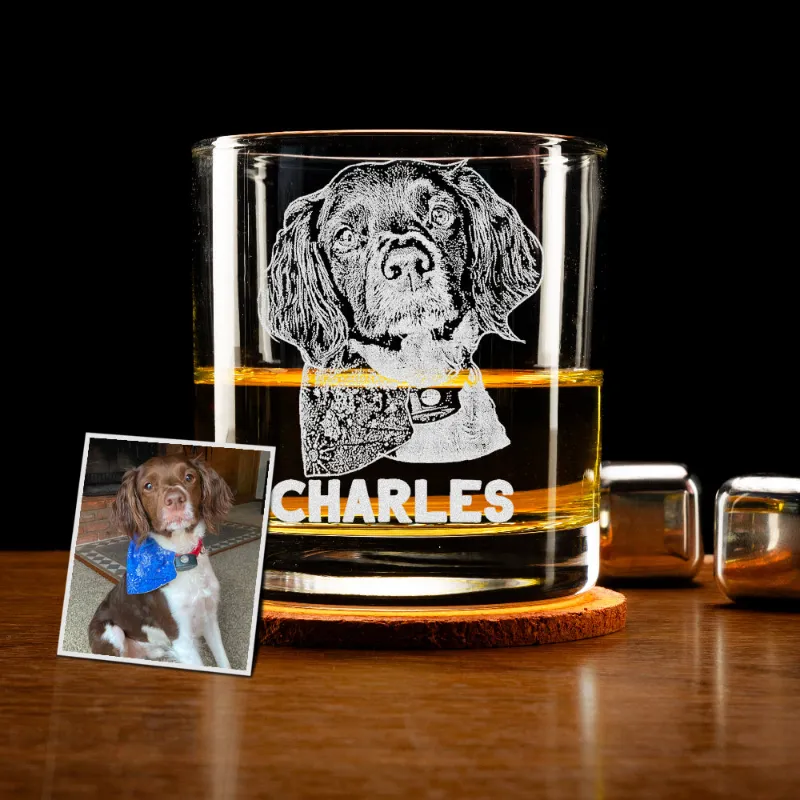
For drinks, pair the board with personalized wine glasses or personalized whiskey glasses when you want the table to feel coordinated. Glassware has a different care routine, but the same principle applies: gentle cleaning protects the personalized finish.
Handles, Logos, and Larger Gift Boards
Details matter more when the board has extra hardware or a deeper design. A custom charcuterie board with handles should be dried around the handle joins, screw areas, and any seams where moisture can sit. If the handles are metal, do not leave acidic food or wet towels against them.
For a custom charcuterie board with logo, treat the branded area like the focal point. Place bowls or parchment over high-moisture foods rather than letting oils and sauces collect in the logo. If the engraving is used for a business gift, a client gift, or an event display, clean it before food dries in the lines.
For a custom charcuterie board wedding gift, we would prioritize presentation and longevity over heavy knife work. Use the front as the display side and reserve the back, if appropriate, for light cutting. That keeps names, dates, and artwork looking more polished over time.
If you are shopping online rather than searching for a custom charcuterie board near me, confirm what is included on the product page, then grab the code before checkout if there is an active offer.
Storage, Delivery, and Long-Term Care
Good storage prevents many problems before they start. Keep the board in a dry cabinet, standing vertically or lying flat with airflow around it. Do not store it next to a dishwasher vent, stovetop, sunny window, or damp sink area.
If you ordered custom charcuterie board delivery, unpack it soon after arrival. Remove packaging, inspect the engraving, and let the board acclimate indoors before washing or oiling. Wood can react to temperature changes, so avoid placing a newly delivered board straight into a humid kitchen sink or hot serving area.
Long-term care checklist:
- Wash soon after serving, especially after oily or acidic foods.
- Dry both sides, not just the serving side.
- Re-oil when the wood looks dry.
- Keep it away from standing water.
- Use parchment under wet foods.
- Store it away from direct heat.
If you are giving the board as part of anniversary gifts for wife, wife christmas gifts, or first fathers day gifts, care instructions make the present feel more complete. A beautiful engraved gift is better when the recipient knows how to keep it looking that way.
When to Buy a New Board Instead of Repairing It
Some wear is normal. Small knife marks, slight darkening, and gentle patina can make a wood board feel used and loved. But replacement may be smarter if the board has deep cracks, persistent odors, warped surfaces, or damaged engraving that catches food even after careful cleaning.
Consider a new board if:
- Cracks run through the personalized area.
- The board rocks or warps enough to feel unstable.
- Food residue stays trapped in damaged grain.
- The surface feels rough even after cleaning and conditioning.
- The gift message or logo is no longer readable.
Before replacing it, compare the current product details and available personalization options on Lucy Engraving, then use our coupon page to see the current offer. We do not recommend guessing at discounts or pricing because those can change, especially around gifting seasons.
Frequently asked questions
How do I clean a custom charcuterie board after serving cheese and meat?
Hand-wash it with warm water, mild soap, and a soft sponge, then dry it immediately. Avoid soaking, dishwashers, and abrasive scrubbers because they can damage both the wood and the engraved details.
Can I cut food on an engraved charcuterie board?
We do not recommend cutting directly over names, dates, logos, or artwork. Use the board mainly for serving, or cut on the reverse side if the product design makes that practical.
What oil should I use on a personalized charcuterie board?
Use food-grade mineral oil or a board cream made for cutting boards. Avoid olive oil, vegetable oil, or other cooking oils because they can become sticky or develop odors.
Are Lucy Engraving boards dishwasher safe?
No. Dishwashers expose wood to prolonged water, heat, and detergent, which can cause warping, cracking, and dull engraving.
How do I stop food from getting stuck in the personalization?
Keep wet or oily foods in small bowls, use parchment under juicy items, and clean the board soon after serving. This helps prevent moisture and food residue from settling into the engraved grooves.
Can I pair the board with personalized wine glasses for a gift set?
Yes, pairing it with personalized wine glasses or personalized whiskey glasses can make the gift feel more complete. Just follow the separate care instructions for each material because glass and wood need different cleaning routines.