
Bucktool Cyclone Dust Collector Setup: What Buyers Should Know Before Connecting Shop Tools

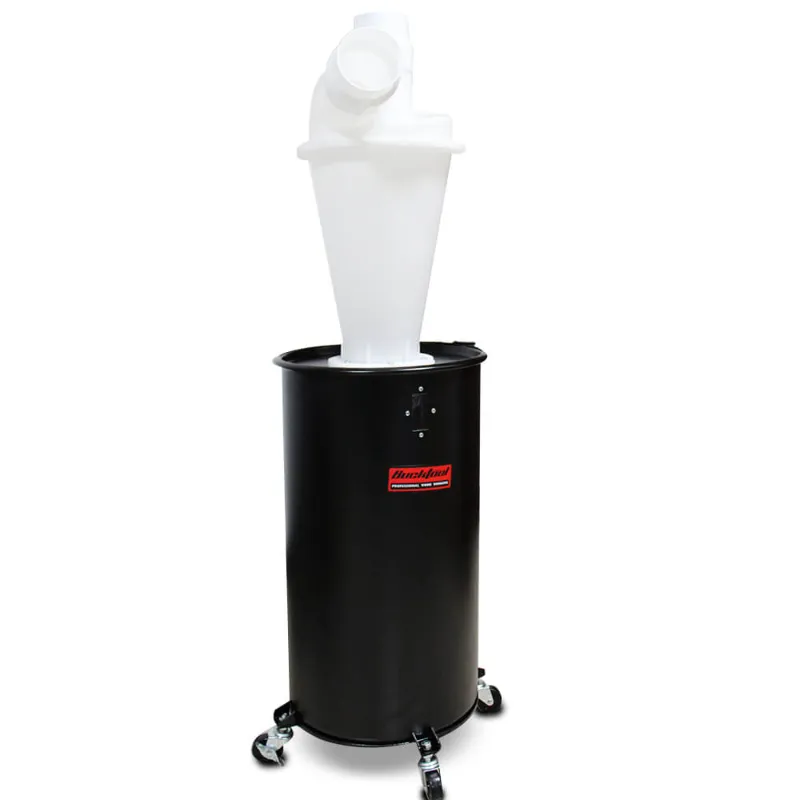
A cyclone dust collector is the right add-on when you want cleaner Bucktool sanding, grinding, drilling, and buffing without clogging your vacuum or dust extractor as quickly. The key is matching the collector, bucket or drum, hose size, and tool ports before you connect your belt sander, benchtop drill press, or grinder. We would start with the Bucktool cyclone dust collector, then plan the rest of the setup around the tools that create the most mess.
Why a cyclone dust collector helps Bucktool tools
Cyclone separators work by spinning chips and dust out of the airflow before that debris reaches your vacuum filter or dust collector bag. That matters most with tools that produce steady abrasive dust, not just occasional chips.
In a Bucktool-focused shop, the biggest reasons to add one are:
- Less filter loading: sanding dust can blind a shop vac filter fast, especially when working with wood, paint, or metal residue.
- Better suction over longer sessions: the separator catches a lot of the heavy debris before it reaches the vacuum.
- Cleaner cleanup: a cyclone dust collector bucket is usually easier to empty than cleaning a packed filter or bag.
- More flexible tool layout: you can keep one collector near a bench and move the hose between machines.
A separator is not the same as a full industrial cyclone dust collector, and it does not replace proper respiratory protection. It is a practical middle step for small and medium Bucktool shops where a single vacuum or collector needs help staying efficient.
Match the setup to your belt sander, belt and disc, and grinder
Sanding and grinding tools create fine dust that travels easily. That makes hose routing and port fit more important than simply buying the largest bucket you can find.
For a Bucktool belt sander, prioritize a short, direct hose run from the dust port to the separator. Long flexible hose adds resistance, and tight bends reduce airflow. If you also use a belt and disc machine, keep the collector close enough that switching ports is easy, because the disc side and belt side may throw debris in different directions.
The Bucktool Bench Belt Grinder Combo is a different case. Grinding can produce sparks and hot particles, especially with metal. Do not route hot grinding debris into a plastic bucket or ordinary shop vac setup unless the tool manual and your dust collection components allow it. For metal grinding, many users separate wood dust collection from spark-producing operations to reduce fire risk.
Use this quick planning table before connecting tools:
| Tool type | Dust behavior | Setup priority |
|---|---|---|
| Belt sander or belt and disc | Fine dust, steady output | Short hose, sealed fittings, frequent emptying |
| Drill press | Chips and curls, intermittent dust | Flexible pickup near bit, easy repositioning |
| Bench grinder or belt grinder | Abrasive dust, possible sparks | Follow manual, avoid mixing hot debris with wood dust |
| Buffing machine | Compound lint and residue | Light suction near wheel, avoid hose interference |
Cyclone dust collector for shop vac use: what to check first
A cyclone dust collector for shop vac setups is popular because it is compact and affordable compared with a large stationary collector. The tradeoff is that small vacuums are sensitive to leaks, undersized hoses, and clogged filters.
Before you connect anything, check:
- Vacuum compatibility: the separator needs enough airflow to keep dust moving.
- Container strength: a weak bucket can collapse under vacuum pressure, especially when empty.
- Lid seal: air leaks reduce suction and can pull fine dust past the separator.
- Hose diameter: match the hose to the tool port where possible, then use adapters only where needed.
- Static and grounding considerations: dry dust moving through plastic hose can create static buildup.
If you are comparing a cyclone dust collector diy build with a ready-made Bucktool option, focus less on the claim and more on fit, sealing, and how easy it is to empty. The Carbide 3D community has a helpful build discussion for readers who want to understand the separator concept in more detail: How to build a 99% efficient Cyclone Dust Collector.
When you are ready to compare availability or use the current Bucktool offer, check the latest price rather than relying on a number copied from an old article.
Connecting a benchtop drill press and smaller sanders
A benchtop drill press does not behave like a sander. It throws chips downward and outward, and the best pickup point may change with bit size, material, and workholding. A flexible hose or magnetic pickup can work better than a fixed port because you can move the collection point near the cutting area without blocking the table.
For a handheld belt sander or finger sander, dust collection is more about freedom of movement. A heavy hose can make a handheld tool awkward, so use the lightest practical hose near the tool and transition to a larger hose closer to the separator. Keep the hose behind the sanding direction so it does not drag across the workpiece.
Good connection habits:
- Start with the dustiest stationary tool, usually a sander.
- Test suction with the hose fully connected, not just at the vacuum inlet.
- Seal loose adapters with proper cuffs or clamps instead of relying on friction.
- Empty the bucket before it gets close to the inlet path.
- Recheck airflow after changing abrasives, materials, or hose length.
If you are buying several Bucktool tools at once, it is worth checking the store code page before checkout. We keep the Bucktool coupon details on one page so you can grab the code when it is time to order.
Parts, buckets, and placement that make the biggest difference
The most overlooked cyclone dust collector parts are not exotic. They are the small pieces that stop leaks and keep airflow predictable.
Pay attention to:
- Bucket or drum: use a rigid container that can handle vacuum pressure.
- Gaskets: the lid must seal evenly around the rim.
- Hose cuffs: stepped adapters are convenient, but a sloppy fit wastes suction.
- Clamps: use them where vibration or hose weight can pull a joint loose.
- Clear hose sections: useful for spotting clogs before suction drops completely.
Placement is just as important. Put the separator where the bucket can be emptied without moving every machine on the bench. Keep the vacuum and separator lower than the bench if possible, so the hose does not fight gravity. Avoid routing the hose across walkways or near spinning wheels.
For background on cyclone design and woodworking dust collection systems, ClearVue’s overview is a useful reference point: ClearVue Cyclone Home | Woodworking Dust Collector. A small Bucktool setup is not the same as a full-shop system, but the airflow principles still apply.
Best cyclone dust collector fit for Bucktool buyers
The best cyclone dust collector setup is the one that matches your actual workflow, not the one with the most dramatic claims. If your main tool is a sander, optimize for fine dust and frequent use. If your main tool is a drill press, optimize for adjustable pickup. If you use grinders, think carefully about spark risk, debris type, and whether that operation should be collected separately.
A practical Bucktool layout often looks like this:
- Separator and vacuum under or beside the workbench.
- Short primary hose to the most-used stationary tool.
- A second flexible hose for drill press cleanup and handheld tools.
- A rigid bucket that is easy to remove and empty.
- Adapters labeled for each machine so setup is repeatable.
Do not assume every port on every tool will match out of the box. Measure the outside and inside diameters of each dust port, then choose adapters based on the actual fit. This is especially useful if your shop mixes a buffing machine, cbn grinding wheels, a belt sander sander, and older hoses from previous equipment.
Care and safety before you connect everything
Dust collection works best when it is treated like part of the tool, not an afterthought. Empty the container before debris reaches the separator outlet, clean or replace vacuum filters as needed, and inspect hoses for packed dust. A blocked hose can make a good setup feel weak even when the collector itself is fine.
Safety basics we would not skip:
- Wear a suitable respirator when sanding fine dust.
- Keep ignition sources away from wood dust.
- Do not mix unknown metal dust with wood dust.
- Follow each Bucktool manual for collection limits and guard placement.
- Turn off and unplug tools before adjusting hoses near belts, discs, wheels, or chucks.
If you are setting up a new Bucktool bench from scratch, choose the dust collection path before bolting every machine down. It is much easier to leave hose clearance now than to rebuild the bench later. For current product availability, code details, or Bucktool’s sitewide offer, visit our Bucktool discount page before you buy.
Frequently asked questions
Can I use a cyclone dust collector with a regular shop vac?
Yes, many small-shop setups use a separator between the tool and a shop vac. Check hose fit, bucket strength, and filter condition because leaks or weak containers can reduce suction quickly.
Is the Bucktool cyclone dust collector enough for a belt sander?
It can be a useful separator for sanding debris when paired with suitable suction and well-sealed hoses. For fine dust, you should still use proper respiratory protection and maintain the vacuum filter.
Should I connect a grinder to the same bucket I use for wood dust?
Be careful. Grinding can create hot particles or sparks, so avoid mixing spark-producing debris with wood dust unless your manuals and collection components specifically support that use.
What size bucket should I use with a separator?
Use a rigid container that can handle vacuum pressure and is easy to empty. The right size depends on your tool use, but strength and a good lid seal matter more than simply choosing the biggest bucket.
Do I need special adapters for a benchtop drill press?
Often, yes. Drill presses usually need a movable pickup near the bit rather than a fixed dust port, so flexible hose, cuffs, or adapters may be needed for a practical fit.