
How To Choose A MEEDEN Drafting Table Or Drawing Table For Sketching, Painting, And Everyday Use

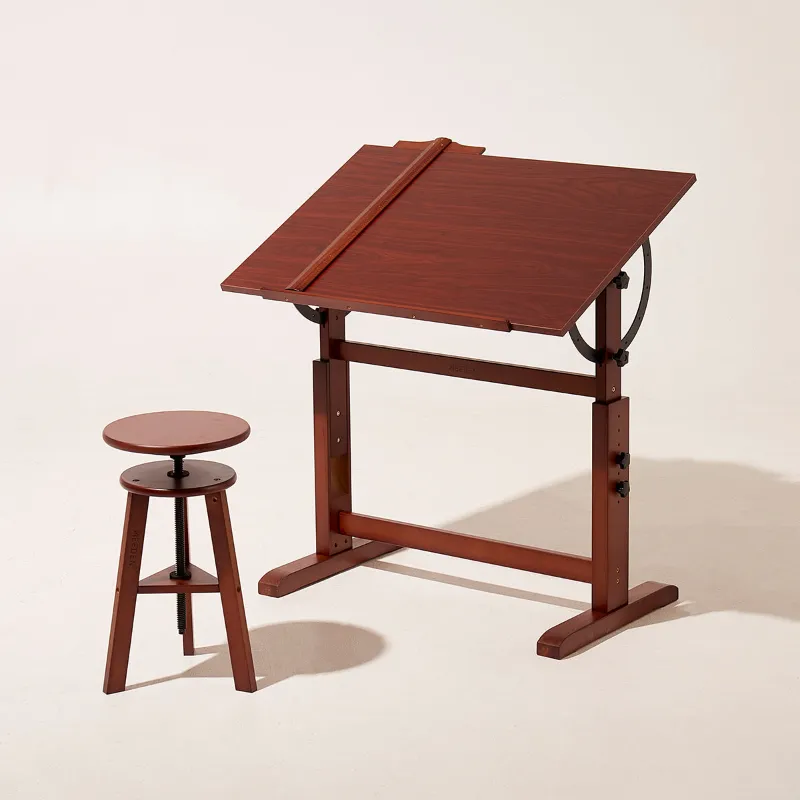
A drafting table is usually the best choice if you want one workspace for sketching, painting studies, and daily creative tasks without juggling multiple surfaces. For most home artists, a MEEDEN drafting table or drawing desk table makes more sense than a standard desk because you can work flatter for writing and steeper for drawing, tracing, or detail work.
If you are comparing MEEDEN furniture with generic options like a drafting table ikea search result or a drafting table amazon listing, the key is not just price. It is whether the surface angle, footprint, stability, and comfort actually fit how you work. If you want the current deal before choosing, grab the code.
Why a drafting table works for more than technical drawing
A good angled work surface helps with much more than architecture or design classes. It can suit hobby artists, illustrators, students, and anyone who wants a cleaner posture while working.
A MEEDEN-style setup is especially practical if you use:
- pencils, ink, or markers for sketching
- oil pastels and other dry media that benefit from a clear, open surface
- a compact acrylic paint set for studies, swatches, and small painted pieces
- mixed media supplies that need a stable work area instead of a soft tabletop
Compared with a flat desk, an angled table can help you:
- see proportions more accurately
- reduce hunching over your paper
- keep your hands from dragging across fresh lines
- switch between art use and everyday desk use more easily
If you mostly paint upright on canvas, a wood easel or tripod easel may still be the better primary tool. But for artists who sketch often and paint smaller works, a drafting surface is often more versatile.
How to choose the right drafting table size and angle
The right drafting table should fit your paper size, your room, and the way you sit or stand while working. Bigger is not automatically better if it leaves no room for movement.
Start with these questions:
- What is your largest usual paper or board size?
- Do you need room for a palette, laptop, or reference books?
- Will the table live in a dedicated studio or a shared room?
- Do you prefer a gentle angle for sketching or a steeper angle for detailed line work?
A useful rule is to choose a top that gives you space around the artwork, not just space for the artwork itself. That extra margin matters when you set down brushes, a wood palette, tape, or reference photos.
Here is a simple way to compare common needs:
| Use case | Best table traits | What to avoid |
|---|---|---|
| Sketching and classwork | Medium footprint, easy angle adjustment, smooth top | Oversized frames in a tight room |
| Painting studies | Wipeable surface, stable base, room for supplies | Tops that feel slippery when tilted |
| Mixed everyday use | Flat-to-angled flexibility, clean design, storage nearby | Fixed-angle tables with limited uses |
| Professional drawing | Larger surface, precise tilt control, strong stability | Lightweight builds that wobble |
If you are browsing broad category pages like Drafting Tables, you will notice that the real differences are usually angle adjustment, footprint, and storage, not marketing labels like professional drafting table.
Storage, accessories, and the setup that makes it easier to use
A table alone does not create a good workflow. The surrounding setup matters just as much, especially if you draw often but do not have a full studio.
Look for a drafting table with storage only if that storage is actually usable from your seated position. Drawers and side shelves can be helpful, but they should not block your knees or make the frame feel bulky.
Useful add-ons for a compact MEEDEN setup include:
- a drafting stool if you like working at a taller height
- an art stand or easel stand for displaying references or finished work nearby
- a small paint tray or kit if you regularly switch from drawing to color work
- portable supply storage instead of forcing too much into the desk itself
If you share the room with work or study, a drawing desk table often beats a fully upright easel because it transitions back to normal desk tasks quickly. That is one reason many buyers prefer it over a vintage drafting table style that looks charming but can be less flexible for modern use.
Drafting table vs drawing desk table vs easel
These terms overlap, but they are not identical in practice. Choosing the right one depends on your medium and your available space.
| Option | Best for | Limits |
|---|---|---|
| Drafting table | Sketching, mixed media, daily desk use | Less ideal for large upright canvases |
| Drawing desk table | Home art corners, students, flexible everyday use | May have less studio presence than a full easel |
| Easel stand or tripod easel | Canvas painting, display, vertical work | Not as useful for writing, tracing, or desk tasks |
Choose a MEEDEN drafting option if you want:
- one main surface for drawing and admin tasks
- adjustable viewing angles
- easier posture for long line-work sessions
- a better middle ground than a basic computer desk
Choose a MEEDEN easel if you want:
- more vertical painting
- larger canvas handling
- a dedicated painting station separate from your desk
For many artists, the best combo is a drafting surface plus a foldable easel nearby. If you are price-checking that kind of setup, check the latest price.
Materials, stability, and care for everyday use
A good work surface should feel steady when you erase, shade, or paint. Wobble is one of the fastest ways to make a desk frustrating.
When comparing models, pay attention to:
- frame stability at different angles
- how firmly the top locks in place
- whether the surface is easy to clean after paint or pastel dust
- edge design, especially if you rest your forearms on the table often
For dry media like charcoal or oil pastels, wipe dust away regularly so it does not smear into later work. For paint, clean spills quickly and use a protective sheet if you often work wet. A portable drafting table can be useful in small spaces, but portability should not come at the cost of too much movement during use.
If you also use paint kits or keep rotating between sketching and painting, a simple habit helps: reset the surface after each session. Put supplies back, wipe the top, and return the angle to a neutral position so the table stays pleasant to use every day.
Who should buy a MEEDEN drafting setup
This kind of table makes the most sense for people who want flexibility rather than a single-purpose studio station.
It is a strong fit for:
- beginners who need one art station that can also function as a desk
- students doing illustration, design, or architectural drafting table style work
- hobby artists making sketches, studies, and small paintings at home
- experienced artists who want a cleaner ergonomic setup for everyday drawing
It may be less ideal if you mainly paint large canvases upright or need a drafting table with parallel bar for highly specialized technical work.
Our bottom line is simple: choose the MEEDEN option that matches your medium first, then your room size, then your storage needs. For most people, that means starting with a stable drafting table or drawing desk table, then adding only the accessories you will actually use. And before you buy, see the current MEEDEN ART code instead of guessing at the latest offer.
Frequently asked questions
What should I look for in a drafting table for both sketching and painting?
Focus on a stable top, adjustable angle, enough work surface for your paper or canvas, and a comfortable seating setup. If you switch between dry media and paint, a surface that is easy to wipe clean also matters.
Is a drawing desk table better than a flat desk for art?
Usually, yes. A drawing desk table gives you an angled surface that is more comfortable for line work, studying proportions, and reducing neck strain during long sessions.
Do I need a drafting stool with a MEEDEN Drafting Table?
Not always, but it can help if you plan to use the tabletop at steeper angles or higher working positions. A stool makes it easier to keep your elbows and eye line in a comfortable range.
Can a drafting table replace an easel stand or tripod easel?
For many artists, yes for drawing and some painting tasks, but not for everything. If you work on larger canvases or prefer fully upright painting, an easel stand or tripod easel may still be useful.
What size drafting table works best for everyday home use?
Choose the largest surface you can fit comfortably without crowding the room. You want enough space for your main project plus a small working area for tools, but not so much that the table dominates your setup.