
MEEDEN Easel Stand Vs Tripod Easel: Which Is Better For Small Studios And Outdoor Painting?

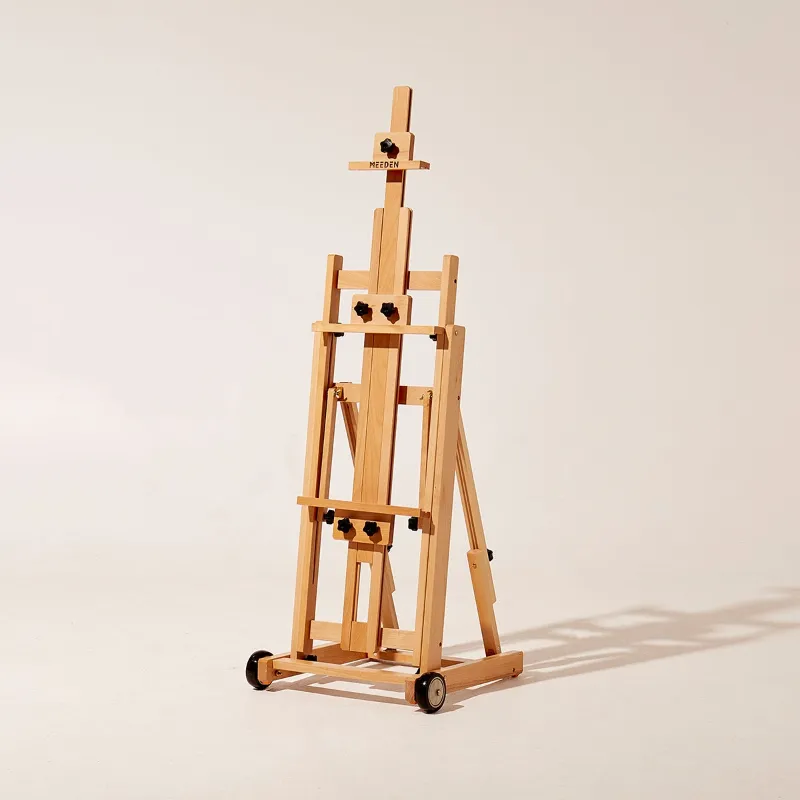
For most small studios, an easel stand is the better pick because it gives you a steadier painting setup in less floor space, while a tripod easel usually wins when you need portability for outdoor work. If you are deciding between MEEDEN options, the real choice is not which style is universally better, but which one matches your room, your canvas size, and how often you carry your gear outside.
Easel stand vs tripod easel at a glance
If you want the shortest answer, choose an easel for indoor stability and choose a tripod when transport matters most. That sounds simple, but the tradeoffs become clearer when you compare how each one behaves during real painting sessions.
| Feature | Easel stand | Tripod easel |
|---|---|---|
| Best use | Small studios, regular home painting | Outdoor painting, travel, classes |
| Stability | Usually better on flat indoor floors | Good, but more affected by wind and uneven ground |
| Footprint | Compact front-to-back, more fixed position | Folds down smaller, easier to carry |
| Setup style | Set it once and leave it ready | Open, adjust, pack away |
For studio use, we generally lean toward the easel stand, especially if you paint several times a week and do not want to keep resetting your station. If you are buying mainly for plein air sessions, workshops, or moving between rooms, the tripod easel is usually the easier tool to live with. Before you buy, it is smart to check the latest price and current store code instead of guessing from old listings.
Why small studios usually benefit more from this setup
In a tight room, the best tool is the one that keeps your supplies organized without making the space feel crowded. A well-designed stand keeps the canvas upright, visible, and easy to adjust, which matters when your painting corner also has to function as storage, a desk area, or a shared room.
This is where an easel stand for painting tends to feel more natural than a tripod. The base is often less fussy to position close to a wall, and it is easier to keep your work area consistent from session to session. That is helpful if you also use a wood palette, rotate between oil pastels and an acrylic paint set, or prefer to leave your composition in place overnight.
A few reasons it suits small studios well:
- Better stability when you are applying pressure with brushes, palette knives, or pastels
- Less wobble while mixing color and stepping back to check proportion
- Easier to pair with a stool, side cart, or shelf without constantly readjusting the legs
- More likely to stay set up as part of a permanent art corner
If your room doubles as a work area, a drafting table can also make sense alongside your easel for sketching, planning, and flat work. For buyers comparing display uses too, these examples of Decorative and display tabletop easels are useful for understanding how small-format stands differ from full painting supports.
Where the tripod easel pulls ahead outdoors
Outdoor painting asks for different strengths. You need something that folds quickly, carries comfortably, and adapts to uneven ground. That is why a tripod easel remains the better choice for many plein air painters, even if it is not the best everyday solution in a studio.
A tripod is especially useful when you:
- Walk to painting spots
- Paint in parks, streets, or beaches
- Need fast setup for short sessions
- Prefer gear that stores in a closet or car trunk
The downside is that outdoor conditions expose its weak points. Wind can affect lighter setups, soft ground can shift the legs, and frequent height adjustments can slow you down. If you mostly paint outside but occasionally work at home, a tripod still makes sense, but you may want to keep your indoor station simple with a compact drawing desk table or art stand nearby for prep work.
If your goal is to find the best current deal before a trip, grab the code before you order instead of relying on a price mentioned in a review.
Stability, posture, and daily use matter more than shoppers think
Most buyers focus on portability first, but long sessions reveal a bigger issue: comfort. The support you choose changes your neck angle, arm reach, and how often you stop to fix your setup instead of painting.
For longer studio sessions, a stand usually makes it easier to maintain a repeatable working height. That is helpful if you switch between detailed brushwork, looser acrylic blocking, and softer media like oil pastels. When your support stays stable, your mark-making tends to stay more controlled too.
Tripods can still work well indoors, but they are usually best for painters who value flexibility over permanence. If you take classes, move your setup often, or paint small canvases, the tradeoff may be worth it.
Think about these practical questions:
- Will you leave your setup assembled most of the week?
- Do you paint on large enough surfaces that wobble becomes annoying?
- Are you carrying gear up stairs or into the field?
- Do you need one support for both art and display uses, like an easel stand for picture frame or sign work?
For readers comparing broader display categories, Wooden Easels | Tabletop and Freestanding Display Tripods gives a helpful overview of how freestanding wooden options differ from compact tripods.
The best supporting gear for each choice
The easel itself is only part of the workflow. The right supporting pieces can make either option more useful.
If you choose an indoor-first setup, consider pairing it with:
- A wood palette for cleaner color mixing and easier transitions between paints
- A drafting stool when you want to alternate between sitting and standing
- A paint kit or acrylic paint set for a ready-to-go station
- A side table or shelf for brushes, rags, and medium
If you choose a tripod-first setup, think about:
- Compact paint kits that travel easily
- A lighter palette and fewer tools per session
- A carrying bag or strap if you walk to locations
- Small panels or sketch surfaces for faster studies
This is also where some shoppers realize they actually need a wood easel instead. If you want a more traditional studio look, heavier construction, and a support that feels more substantial for regular home use, a wood model can split the difference between a minimalist stand and a travel tripod.
When a drafting table or art stand is the smarter buy
Not every artist needs a full upright support. If your work is mostly sketching, illustration, design, or mixed media prep, a table-based setup may serve you better than either easel style.
A drafting table is often the stronger pick when you:
- Work flat or at a shallow angle
- Use pencils, charcoal, markers, or technical tools more than paint
- Need room for reference images, rulers, and supplies
- Want one station for both drawing and planning finished paintings
That does not replace an easel for every painter, but it can be the better first purchase if your habits lean toward drawing more than canvas work. MEEDEN also has strong options in drawing desk table and drafting stool categories if you are building a small but functional studio from scratch.
Our bottom line
For most home artists with limited space, the easel stand is the better all-around choice because it feels steadier, cleaner, and easier to use day after day. Choose the tripod easel if outdoor painting, portability, and storage matter more than maximum stability. If you are close to buying, check the latest price and code first, then match the support to how you actually paint, not just how you imagine you will paint.
Frequently asked questions
Is an easel stand better than a tripod easel for apartment studios?
Usually, yes. A stand is often easier to keep stable and ready to use in a small room, while a tripod is better when you need to fold it away or carry it outside.
Which MEEDEN option is easier to carry for plein air painting?
The Tripod Easel is the more travel-friendly choice. It is better suited to painters who move between locations or want a setup that stores compactly between sessions.
Should I buy a wood easel instead of either of these?
A wood easel can be the better fit if you mainly paint indoors and want a more traditional, substantial setup. It is less ideal if your priority is portability.
Can I use these supports for display as well as painting?
Sometimes, yes, but painting supports and display easels are not always the same thing. If you need something for a sign, picture frame, or tabletop display, check the size, angle range, and intended use before buying.
Do I also need a drafting table if I already have an easel?
Only if you do a lot of drawing, planning, or flat work. Many artists use an easel for painting and a drafting table for sketching, layouts, and prep.