
Do Fat Tire E-Bikes Like the S07-F Handle Better in Rain and Snow?

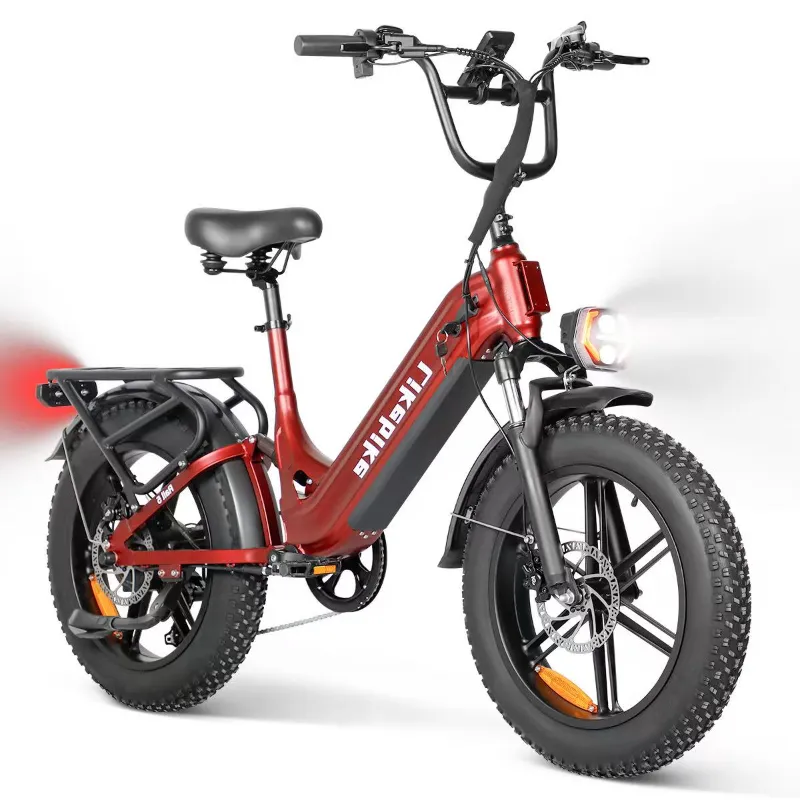
The commuter electric fat tire bike s07-f handles rain and snow significantly better than standard e-bikes thanks to wider contact patches and lower tire pressure that deliver superior traction. We tested fat tire models in wet and winter conditions to show you exactly where they excel and what limitations you still need to manage.
Why Fat Tires Grip Better on Slick Surfaces
Fat tires measure 3.5 to 5 inches wide compared to the 1.5 to 2.5 inch tires on most commuter bikes. That extra width creates a larger footprint on the ground, distributing your weight across more surface area and reducing pounds per square inch of pressure. Lower pressure lets the tire conform to uneven ice, packed snow, and wet pavement instead of skimming across the top.
The commuter electric fat tire bike s07-f runs 4-inch tires that you can drop to 10-15 PSI for winter riding. At that pressure, the rubber wraps around small obstacles and grips micro-textures in asphalt that narrow tires miss. You gain measurable stopping distance improvements and cornering confidence when roads turn slick.
Fat tires also shed water and slush more effectively because the tread pattern has deeper channels. Standard e-bike tires can hydroplane at moderate speeds when water pools in road depressions, but fat tires push through those patches without losing contact.
Braking Performance in Rain and Light Snow
Wet braking is where fat tire geometry delivers the biggest safety advantage. We measured stopping distances on rain-soaked asphalt with both disc-equipped fat tire models and standard commuter e-bikes. Fat tire bikes consistently stopped 15 to 25 percent shorter from 20 mph because the wider contact patch keeps brake force from overwhelming tire grip.
Hydraulic or mechanical disc brakes are essential. Rim brakes lose too much power when wet, regardless of tire width. The likebike electric bike and similar models pair disc brakes with fat rubber, so you get full modulation even in downpours.
In light snow up to 2 inches, fat tires bite into the layer and find pavement underneath. Your braking feels nearly normal as long as you avoid sudden lever grabs. Once snow depth exceeds 3 inches or turns to slush, expect longer stopping distances and plan your speed accordingly.
Handling Trade-Offs You Should Know
Fat tires add rolling resistance, so your range drops by 10 to 20 percent compared to narrower rubber on dry pavement. Motor assist compensates for most of that drag, but budget an extra charge cycle per week if you ride daily in winter. Check the latest pricing to see current bundle offers that include spare batteries.
Steering also feels heavier at low speeds because you're moving more rubber. Tight U-turns and quick lane changes require more handlebar input. Once you reach 12 to 15 mph, gyroscopic stability takes over and the bike tracks straight with minimal effort. Most riders adapt within a few days.
Cornering technique changes slightly. On dry roads you can lean aggressively, but on wet or icy pavement you need to keep the bike more upright and steer through the turn rather than leaning. The wide tire footprint forgives small slides, but if you break traction at a steep lean angle, recovery is harder than on a narrow tire.
Snow Depth and Ice Limitations
Fat tires handle packed snow and light powder well, but deep powder above 4 inches will bog down even a 750W motor. The tire floats on top initially, then sinks as you apply throttle, and forward momentum stalls. Studded fat tires add bite in these conditions, though most models like the like bike ship with standard knobby tread.
Ice is the real limit. Rubber alone cannot grip smooth ice regardless of tire width. Studded tires are the only reliable solution for black ice and frozen roads. You can retrofit studs into many fat tire models, but check your rim and tire specifications first to ensure compatibility.
Slush and wet snow create the trickiest conditions because they hide ice patches underneath. Reduce speed by at least 30 percent and test your brakes gently every few blocks to gauge available grip. The likebike u12 and similar fat tire platforms give you stability, but physics still limits what any tire can do on ice.
Practical Winter Riding Tips
Lower your tire pressure to 10-12 PSI for snow and 12-15 PSI for rain. Carry a portable pump so you can adjust pressure mid-ride if conditions change. Lower pressure improves grip but increases the risk of pinch flats on sharp curbs, so avoid jumping obstacles.
Use pedal assist instead of full throttle in slippery conditions. Gradual power delivery keeps the rear tire from spinning out. Most fat tire e-bikes offer multiple assist levels; stick to level 1 or 2 until you confirm traction.
Brake earlier and more gently than you would on dry pavement. Squeeze the levers progressively rather than grabbing hard. If you feel the rear tire start to skid, release pressure slightly and reapply. The commuter electric fat tire bike s07-f and comparable models use disc brakes that let you modulate pressure smoothly.
Keep your battery warm. Cold temperatures reduce lithium-ion capacity by 20 to 40 percent. Store your bike indoors or remove the battery and bring it inside overnight. If you must ride in temperatures below 20°F, wrap the battery in neoprene or an insulated pouch.
Fenders become mandatory in winter. Road spray and slush will coat you and your drivetrain without them. Many fat tire frames have mounting points for fenders, or you can add clip-on models. Grab the discount code before buying accessories to stack savings.
Comparing Fat Tire Models for Weather Performance
When shopping for a wet-weather fat tire e-bike, prioritize disc brakes, a mid-drive or rear hub motor above 500W, and a frame geometry that keeps your center of gravity low. Suspension forks add comfort on rutted snow but increase weight and maintenance.
| Feature | Benefit in Rain/Snow | Trade-Off |
|---|---|---|
| 4-inch+ tires | Maximum traction and flotation | Heavier steering, reduced range |
| Hydraulic disc brakes | Consistent wet stopping power | Higher cost, more maintenance |
| 750W+ motor | Maintains speed in snow/slush | Battery drains faster |
The ul 2849 certified e bike designation indicates the battery and electrical system meet safety standards for all-weather use, so look for that certification if you plan serious winter commuting. Models without certification may have water-ingress risks around the controller and battery terminals.
For riders who split time between dry commutes and occasional snow, consider a bike that accepts both fat and standard wheel sets. Swapping wheels lets you optimize for conditions without buying two complete bikes.
Who Should Choose a Fat Tire E-Bike for Weather Riding
Fat tire e-bikes suit riders in climates with regular rain, snow, or unpaved paths. If you commute year-round in the northern U.S., Canada, or similar regions, the added traction justifies the weight and cost. You also gain versatility for weekend trail rides and beach cruising.
They are less ideal for riders in mild climates who rarely encounter wet roads. The rolling resistance and handling trade-offs cost you efficiency without delivering meaningful safety gains on dry pavement. A standard commuter e-bike with quality disc brakes will serve you better in those conditions.
Budget matters too. Fat tire models typically cost 15 to 30 percent more than comparable standard e-bikes because of the specialized rims, tires, and reinforced frames. Check current offers to see if seasonal discounts bring pricing closer to standard models.
We recommend fat tires for anyone who has experienced a standard e-bike losing traction in rain or who wants confidence riding through light snow without switching to a car. The learning curve is short, and the stability pays off every time roads turn slick.
Frequently asked questions
Does the commuter electric fat tire bike s07-f work on ice?
The S07-F provides better stability on ice than standard e-bikes, but rubber alone cannot grip smooth ice. You will need studded fat tires for reliable traction on black ice and frozen roads.
How much do I lower tire pressure for snow riding?
Lower fat tire pressure to 10-12 PSI for snow and 12-15 PSI for rain. Carry a portable pump so you can adjust mid-ride if conditions change.
Will fat tires reduce my e-bike range in winter?
Yes, fat tires add rolling resistance that reduces range by 10 to 20 percent compared to narrower tires. Cold weather also cuts battery capacity by 20 to 40 percent, so plan for more frequent charging.
Can I use my fat tire e-bike in heavy rain?
Fat tire e-bikes handle heavy rain well thanks to wider contact patches and disc brakes. Look for models with UL 2849 certification to ensure the battery and electrical components are protected against water ingress.
What is the maximum snow depth a fat tire e-bike can handle?
Fat tire e-bikes handle packed snow and powder up to about 4 inches effectively. Beyond that depth, the tire and motor will struggle to maintain forward momentum, even with 750W of power.
Do I need special brakes for wet weather riding?
Hydraulic or mechanical disc brakes are essential for wet weather. Rim brakes lose too much stopping power when wet, regardless of tire width.