
French Linen Shirt vs Cotton Polo: Which Fabric Breathes Better?

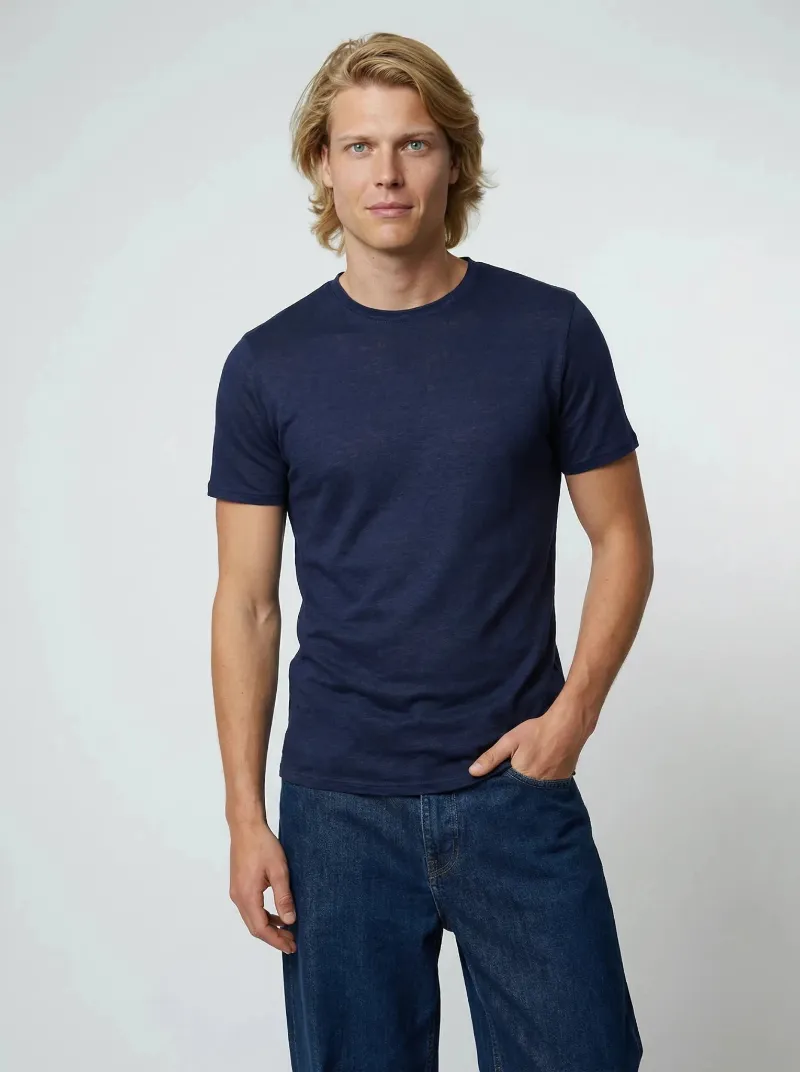
A french linen shirt breathes significantly better than a cotton polo, thanks to linen's hollow fiber structure and loose weave that allows heat and moisture to escape faster. While cotton absorbs sweat and clings, linen wicks moisture away from your skin and dries quickly, making it the superior choice for warm weather and active days.
We've tested both fabrics across summer seasons and high-humidity environments to help you choose the right material for your wardrobe.
Why Linen Outperforms Cotton in Breathability
Linen's breathability advantage comes down to fiber structure. Flax fibers used in linen are hollow and naturally porous, creating channels that pull moisture away from your skin and release it into the air. Cotton fibers, while soft, are solid and absorb up to 25% of their weight in water before they feel wet—which means a cotton polo will stick to your back long before a french linen shirt does.
The weave matters too. Quality linen uses a loose plain weave with visible gaps between threads, allowing air to circulate freely. Most cotton polos use a tighter piqué or jersey knit that traps heat closer to your body. Brands like Asket and THE NINES design their linen shirts with this breathable weave in mind, optimizing for summer wear.
Temperature regulation is another clear win for linen. The fabric conducts heat away from your skin two to three times faster than cotton, which is why linen feels cool to the touch even on hot days. If you're comparing a polo made from cotton piqué to a linen option, the linen will keep you noticeably cooler during outdoor activities or long commutes.
How Each Fabric Handles Moisture and Sweat
Cotton absorbs moisture but holds onto it, which creates that damp, heavy feeling during a workout or a humid afternoon. A cotton polo might feel comfortable for the first hour, but once you start sweating, it becomes clingy and takes hours to dry.
Linen, by contrast, absorbs moisture quickly and releases it just as fast. The fabric pulls sweat away from your skin through capillary action, then evaporates it from the surface. This means a french linen shirt will feel dry and airy even when you're actively perspiring. For anyone living in warm climates or traveling to tropical destinations, this difference is tangible.
Odor control is a bonus. Because linen dries quickly and doesn't trap moisture, it resists bacteria growth better than cotton. You can wear a linen shirt multiple times between washes without the musty smell that cotton develops. Pair a forme french t shirt under your linen shirt for layering without sacrificing breathability.
Comparing Weave Structure and Airflow
| Feature | French Linen Shirt | Cotton Polo |
|---|---|---|
| Fiber structure | Hollow, porous flax | Solid cotton fibers |
| Weave density | Loose plain weave | Tight piqué or jersey knit |
| Air circulation | Excellent, visible gaps | Moderate, tighter construction |
| Moisture release | Fast evaporation | Slow, absorbs and holds |
The table above shows why a linen shirt feels airier. When you hold a quality linen garment up to the light, you'll see small gaps between the threads—those spaces are where air flows through. Cotton polos, especially those from brands like Ralph Lauren, use a denser knit that creates texture but reduces ventilation.
For formal occasions, a linen dress shirt for wedding events offers the same breathability advantage while maintaining a polished look. Check the latest price on Erverte Paris linen options to see how the weave compares to standard cotton dress shirts.
When Cotton Polos Make Sense
Cotton isn't without its merits. A cotton polo offers more structure and wrinkle resistance, making it easier to maintain a crisp appearance throughout the day. If you're heading to a business-casual office with strong air conditioning, a cotton polo might be perfectly comfortable and require less ironing than linen.
Cotton also feels softer against sensitive skin initially, though linen becomes softer with every wash. For layering in cooler months, a french sweat or sweatshirt made in france over a cotton polo provides warmth without bulk.
The price point can favor cotton too, though quality linen is an investment that lasts. A well-made french linen shirt will outlive several cotton polos, as flax fibers are two to three times stronger than cotton. Grab the code for 15% off to offset the initial cost.
Choosing the Right Fabric for Your Climate
If you live in hot, humid regions or spend time outdoors in summer, linen is the clear winner. The fabric's natural cooling properties and moisture management make it the go-to choice for Mediterranean summers, tropical vacations, or any setting where you need to stay comfortable above 75°F.
Cotton polos work better in moderate climates or indoor environments where breathability is less critical. They're also a solid choice for activities that require more structure, like golf or casual office settings.
For versatile summer wardrobes, we recommend owning both: a french linen shirt for peak heat and a polo made from cotton for milder days. A grey T-shirt serves as a breathable base layer under either option when you need extra coverage.
Care and Longevity Considerations
Linen requires more patience with wrinkles—they're part of the fabric's casual charm. If you prefer a pressed look, you'll need to iron linen after each wash or embrace the relaxed texture. Cotton polos hold their shape better and resist wrinkles, making them lower-maintenance for travel.
Durability favors linen. The Normandy Linen Shirts Guide notes that flax fibers strengthen when wet, so washing actually improves linen's longevity. Cotton fibers weaken slightly with repeated laundering, and pilling becomes an issue over time.
Both fabrics are machine-washable, but linen benefits from air-drying to maintain its texture. Cotton polos can handle the dryer, though high heat will shrink them. For either fabric, wash in cold water and skip fabric softener to preserve breathability.
Our Verdict on Breathability
For pure breathability, the french linen shirt wins decisively. Its hollow fibers, loose weave, and rapid moisture evaporation make it the coolest, most comfortable option for warm weather. Cotton polos have their place in moderate climates and formal-casual settings, but they can't match linen's airflow and temperature regulation.
If you're building a summer wardrobe or need reliable warm-weather pieces, invest in quality linen first. The upfront cost pays off in comfort and durability, especially when you check current pricing during seasonal sales. Pair your linen shirt with a france sweater for transitional seasons, and you'll have a breathable, versatile outfit rotation that handles any temperature.
Frequently asked questions
Does a french linen shirt wrinkle more than a cotton polo?
Yes, linen wrinkles more easily than cotton due to its natural fiber structure. However, many wearers embrace linen's relaxed, textured look as part of its casual elegance. A quick steam or iron smooths wrinkles if you prefer a pressed appearance.
Can I wear linen shirts in professional settings?
Absolutely. A well-fitted linen shirt in neutral tones works for business-casual offices, especially in warmer months. Pair it with tailored trousers and keep it pressed for a polished look that stays cooler than cotton.
How often should I wash a linen shirt compared to a cotton polo?
Linen resists odor and can be worn two to three times between washes, while cotton polos typically need washing after each wear due to moisture retention. Both benefit from cold-water washing to maintain fabric integrity.
Is linen cooler than cotton in high humidity?
Yes, linen's hollow fibers and loose weave allow moisture to evaporate quickly, preventing the damp, clingy feeling cotton develops in humid conditions. This makes linen significantly more comfortable when temperatures and humidity are both high.
Will a linen shirt shrink like cotton does?
Quality linen may shrink slightly on the first wash, but far less than cotton. Pre-washed linen is stable, and the fabric actually strengthens when wet. Always air-dry linen to preserve its shape and texture.
Which fabric lasts longer with regular wear?
Linen outlasts cotton significantly. Flax fibers are two to three times stronger than cotton and become softer with age rather than wearing thin. A well-made linen shirt can last a decade or more with proper care.