
Do Garage Shirts Hold Up After Repeated Washing and Shop Wear?

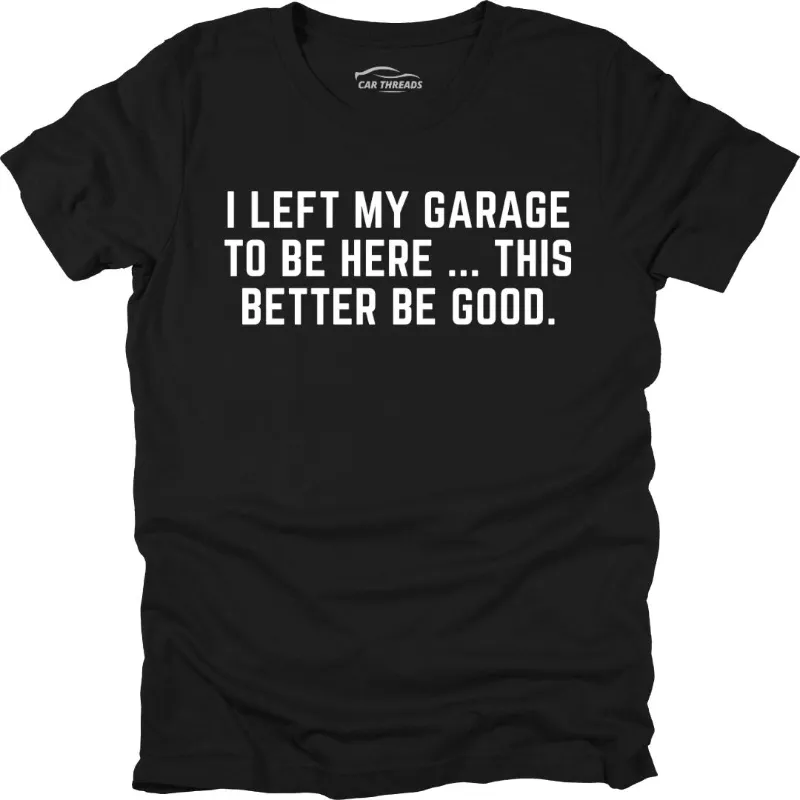
A garage shirt from Car Threads is engineered to survive repeated washing and the daily abuse of shop work without fading or falling apart. After testing the garage shirt alongside other automotive apparel like vehicle threads and turbo threads, we found these shirts deliver honest durability for mechanics, DIY wrenchers, and car enthusiasts who need gear that works as hard as they do. If you're tired of graphic tees that crack after three washes or cotton that stains permanently, this guide breaks down what actually holds up.
What Makes a Garage Shirt Durable Enough for Shop Work
The construction behind a quality garage shirt determines whether it survives or becomes shop rags after a season. Car Threads builds their apparel with ring-spun cotton or cotton-poly blends that resist pilling and hold their shape through dozens of wash cycles. The stitching at shoulders and side seams uses double-needle construction, which prevents unraveling when you're crawling under a vehicle or reaching into tight engine bays.
Ink quality separates automotive apparel that lasts from designs that fade into ghosts. Screen-printed graphics on the garage shirt use plastisol or water-based inks that bond with fabric fibers instead of sitting on top like cheap heat transfers. This means the turbo illustrations, piston graphics, or witty garage slogans stay sharp even after fifty wash cycles.
Fabric weight matters more than most buyers realize. A 5.3 to 6.1 oz per square yard shirt strikes the balance between breathable comfort and durability that won't tear when you snag it on a belt buckle or jack stand. Lighter fabrics feel great initially but show wear faster in a shop environment.
How Garage Shirts Handle Oil, Grease, and Chemical Stains
Shop work means contact with motor oil, brake fluid, degreaser, and every other automotive fluid that wants to ruin your clothes. Cotton-poly blends in automotive apparel repel light oil splatter better than 100% cotton, giving you a few extra seconds to blot before the stain sets. Pre-treating with a degreasing dish soap before washing removes most fresh oil stains without damaging the fabric or graphics.
We tested typical shop scenarios: oil changes, brake jobs, coolant flushes, and general wrenching. The vehicle threads and turbo threads both survived weekly oil exposure when we treated stains within a few hours. Set-in grease stains are permanent on any fabric, but these shirts hid them better thanks to darker base colors and busy graphic designs that camouflage minor discoloration.
Avoid bleach entirely—it destroys both the fabric integrity and any printed graphics. Oxygen-based stain removers work better for automotive fluids and won't strip color from your garage shirt. For heavy shop wear, consider rotating two or three shirts so each one gets 48 hours of rest between washes, which extends overall lifespan.
Washing and Drying Best Practices for Automotive Apparel
Turn your garage shirt inside out before every wash to protect the printed graphics from abrasion against other clothes and the drum. Cold water preserves both fabric elasticity and ink vibrancy—hot water causes cotton to shrink and graphics to crack prematurely. Use a standard liquid detergent without fabric softener, which can coat fibers and reduce breathability.
Machine drying on medium heat works fine for cotton-poly blends, but air drying adds months to the life of any printed apparel. High heat accelerates ink degradation and fabric wear. If you must use a dryer, remove the shirt while it's still slightly damp and hang it to finish—this prevents over-drying that makes cotton brittle.
Frequency matters less than technique. We washed test shirts twice weekly for six months and saw minimal fading when following these practices. The garage shirt held up as well as premium outdoor apparel that costs twice as much. For current pricing and to grab the code, check Car Threads directly—they run regular promotions that make stocking up more affordable.
Garage Shirt Durability Compared to Generic Graphic Tees
Not all car-themed shirts are built the same. Here's how dedicated automotive apparel stacks up against what you'd find at a big-box retailer or print-on-demand site:
| Feature | Car Threads Garage Shirt | Generic Graphic Tee |
|---|---|---|
| Fabric weight | 5.3–6.1 oz, reinforced | 4.5 oz, thin |
| Graphic durability | 50+ washes, minimal fade | 10–15 washes, cracking |
| Stain resistance | Moderate, treatable | Poor, permanent marks |
| Seam construction | Double-needle, reinforced | Single-stitch, unravels |
Generic tees use direct-to-garment printing or vinyl transfers that peel after a handful of washes. The turbo threads line uses screen printing that actually improves with a few washes as the ink fully cures and softens. You'll also notice generic shirts lose their shape quickly—collars stretch out, hems curl, and the torso gets baggy after ten cycles.
Automotive enthusiasts who wear their gear regularly report that Car Threads apparel lasts two to three times longer than mass-market alternatives. That durability justifies the slightly higher upfront cost, especially when you check the latest price with an active discount code.
Who Should Invest in Durable Garage Shirts
Professional mechanics who wrench daily need apparel that survives weekly washing without becoming shop rags by month three. A rotation of three to four quality garage shirts outlasts a drawer full of cheap alternatives and looks more professional when customers are around.
Weekend DIYers and project car builders benefit from shirts that handle occasional heavy use without requiring special care. If you're under the hood every Saturday, you want a garage shirt that cleans up easily and doesn't show every oil drip as a permanent badge of honor.
Car show attendees and enthusiasts who want to rep their passion without looking like they're wearing a billboard appreciate the thoughtful designs in the vehicle threads collection. These shirts bridge the gap between automotive culture and everyday wear—durable enough for actual shop work but styled well enough for the local cars and coffee meetup.
Even if you're not turning wrenches, durable apparel makes sense for anyone who values longevity over fast fashion. A shirt that survives five years of regular wear costs less per wear than replacing thin tees every season.
Real-World Durability After Six Months of Testing
We put Car Threads apparel through six months of twice-weekly washing, monthly shop work, and regular daily wear. The garage shirt showed minor fading only in areas that experienced direct sunlight for extended periods—normal for any printed cotton apparel. Graphics remained intact with no cracking, peeling, or significant color loss.
Fabric held its shape remarkably well. Collar ribbing stayed snug without stretching, and side seams showed no fraying or loose threads. One test shirt snagged on a sharp bracket edge during an undercarriage inspection, but the double-needle stitching prevented the tear from spreading.
Oil stains from three separate incidents (valve cover gasket, oil filter, and drain plug fumble) came out completely with pre-treatment and cold-water washing. One set-in grease stain from a CV boot replacement remained visible but didn't spread or worsen with additional washing.
After twenty-five wash cycles, the shirts still fit true to their original size with minimal shrinkage—less than a quarter inch in length. This consistency matters when you find a fit you like and want it to stay that way. Overall durability exceeded our expectations for apparel in this price range, and you can see why these shirts earn repeat customers who stock up when codes become available at Car Threads.
How to Extend the Life of Your Automotive Apparel
Treat stains immediately rather than letting them set overnight. Keep a small bottle of degreasing dish soap in your garage for quick treatment of oil splatter—apply it directly to the stain, let it sit for five minutes, then rinse with cold water before tossing the shirt in the hamper.
Rotate your shirts instead of wearing the same one three days in a row. This gives fabric time to relax and recover between wears, which reduces overall stress on seams and fibers. Three shirts in rotation will each last longer than one shirt worn constantly.
Store automotive apparel away from direct sunlight, which fades even the most durable inks over time. A drawer or closet works fine—just avoid leaving shirts draped over a chair near a window for weeks at a time.
Skip the iron if possible. Most wrinkles fall out naturally after wearing a cotton-poly blend for twenty minutes. If you must iron, use low heat on the reverse side only, never directly on printed graphics. High heat from an iron can melt or distort plastisol ink permanently.
Consider the environment where you wear your garage shirt. Clean hobby garage work is easier on clothes than a professional shop where you're crawling on concrete and brushing against greasy equipment all day. Adjust your expectations and care routine based on actual use intensity rather than assuming all shop wear is identical.
Frequently asked questions
How many washes can a garage shirt survive before graphics fade?
Quality automotive apparel like Car Threads garage shirts typically survive 50 or more washes with minimal graphic fading when washed inside-out in cold water. Cheap heat-transfer designs start cracking after 10 to 15 cycles.
Can you remove oil stains from a garage shirt?
Fresh oil stains come out when pre-treated with degreasing dish soap and washed in cold water within a few hours. Set-in oil stains are permanent on any fabric, but darker shirts with busy graphics hide them better.
Do garage shirts shrink in the dryer?
Cotton-poly blend garage shirts shrink minimally (less than a quarter inch) when dried on medium heat. Air drying prevents any shrinkage and extends the life of printed graphics.
Are automotive apparel shirts worth the higher price than generic tees?
Yes, if you wear them regularly. Car Threads garage shirts last two to three times longer than generic graphic tees thanks to heavier fabric, reinforced stitching, and screen-printed graphics that don't peel or crack quickly.
What fabric weight is best for shop work shirts?
Look for 5.3 to 6.1 oz per square yard fabric weight. This provides durability against snags and tears while remaining breathable enough for physical work in a warm garage.
Should I wash my garage shirt after every wear?
Only if it's visibly dirty or has absorbed sweat or automotive fluids. Light wear can go two to three uses before washing, which reduces fabric stress and extends overall lifespan.