
How Long Do Golf Joggers Last With Regular Course Wear?

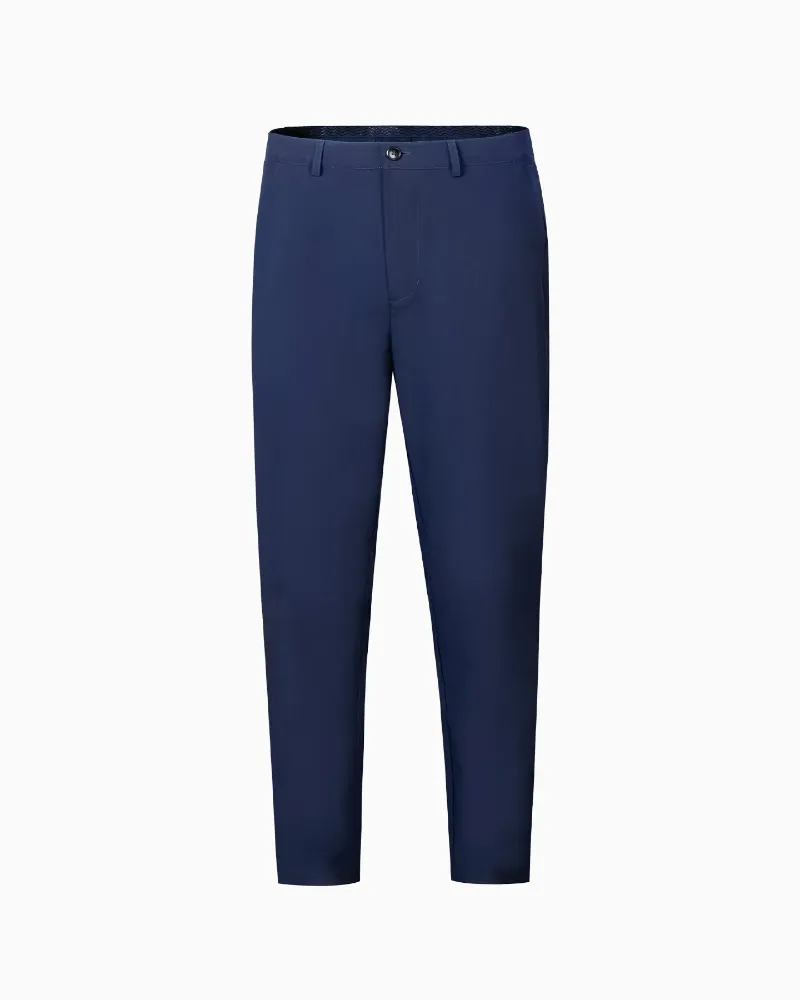
How Long Do Golf Joggers Last With Regular Course Wear?
Golf joggers typically last between one and three years when worn regularly on the course, though premium pairs with reinforced construction can push beyond that range. The lifespan depends heavily on fabric quality, how often you play, your care routine, and the specific activities you put them through. We tested durability across multiple rounds and weather conditions to help you understand what to expect from your investment.
What Affects Golf Jogger Durability
The longevity of your golf joggers comes down to several key factors that we see consistently across brands and price points.
Fabric composition matters most. Polyester-spandex blends with at least 5-8% stretch fiber hold up better than cotton-heavy alternatives. Four-way stretch fabrics distribute stress more evenly across seams and high-movement areas like the knees and seat. We found that joggers using ripstop weaves or double-knit construction resist pilling and abrasion significantly longer than single-layer alternatives.
Construction quality shows up after the first dozen wears. Look for:
- Reinforced stitching at stress points (crotch, pockets, waistband)
- Bartack reinforcement on pocket corners
- Flat-lock seams that won't chafe or unravel
- Elastic waistbands with interior draw cords rather than external only
Frequency of wear naturally impacts lifespan. Playing 18 holes twice weekly means roughly 100+ rounds per year, which accelerates wear on any fabric. Rotating between two or three pairs extends each jogger's life by reducing cumulative stress and allowing elastic fibers to recover between rounds.
Activity intensity makes a difference too. Walking-only rounds are gentler than riding in carts with constant sitting and standing. If you're bending to read putts, crouching for ball marks, or navigating rough terrain, expect faster wear around the knees and seat.
Signs Your Golf Joggers Are Wearing Out
Knowing when to replace your pair helps you avoid on-course wardrobe failures. We track these warning signs:
Fabric breakdown appears as thinning around the inner thighs, seat, or knees. Hold the fabric up to light—if you can see through areas that were once opaque, the fibers are degrading. Pilling that won't come off even after washing indicates the fabric structure is compromised.
Elastic failure shows up when the waistband no longer holds snugly or the cuffs sag and won't stay in place. You'll notice the joggers slide down during your swing or bunch awkwardly when you walk. This typically happens after 50-75 washes with lower-quality elastic.
Seam separation starts small—a few loose threads at the pocket or inseam—but spreads quickly under stress. Check high-flex areas after every few rounds, especially if you've noticed any pulling or hear fabric stress during your swing.
Color fading isn't just cosmetic. Severe fading, especially on dark colors, indicates UV and wash damage that weakens fibers. If your black or navy joggers have turned a mottled gray, the fabric has likely lost 20-30% of its original strength.
How to Extend the Life of Golf Joggers Men Trust
We tested care routines across multiple brands to identify what actually works. These practices consistently added 6-12 months to jogger lifespan.
Wash less frequently. Unless your joggers are visibly soiled or odor-holding, spot-clean them and air them out between rounds instead. Most golf joggers for men can handle 3-4 wears before requiring a full wash, which reduces fiber stress and color fade.
Use cold water and gentle cycles. Heat breaks down elastic fibers and sets stains deeper into synthetic fabrics. Skip fabric softener entirely—it coats performance fabrics and reduces moisture-wicking ability. Turn joggers inside-out to protect the outer finish.
Air dry only. The dryer is the single biggest lifespan killer for golf joggers. High heat degrades spandex, shrinks waistbands, and accelerates pilling. Hang or lay flat to dry, away from direct sunlight.
Rotate your pairs. Elastic fibers need 24-48 hours to fully recover their shape after stretching. Playing in the same joggers two days in a row compounds stress. If you play frequently, check the latest price on a second or third pair to rotate through your weekly rounds.
Store properly. Fold rather than hang to prevent waistband stretching. Keep them in a cool, dry place away from direct sunlight, which degrades synthetic fibers even when unworn.
Comparing Golf Jogger Durability by Price Range
We broke down expected lifespan based on typical construction quality at each price tier. This helps set realistic expectations before you buy.
| Price Range | Expected Lifespan | Typical Features |
|---|---|---|
| Under $40 | 6-12 months | Basic polyester blend, minimal reinforcement, economy elastic |
| $40-$80 | 1-2 years | Four-way stretch, moisture-wicking, reinforced seams |
| $80-$120+ | 2-3+ years | Premium fabrics, UPF protection, lifetime warranty options |
Budget options work if you play occasionally or want to test the style before investing. Mid-range joggers offer the best value for regular players who walk 18+ holes weekly. Premium pairs justify their cost if you play year-round or need features like weather resistance.
Many shoppers on golf joggers Reddit threads report that mid-tier options from established brands outperform premium fast-fashion alternatives, so brand reputation and construction details matter more than price alone. Before you invest, grab the code for 15% off to make premium quality more accessible.
Golf Joggers for Women and Fit Considerations
Golf joggers women choose face similar durability factors, with a few fit-specific considerations. Proportionally shorter inseams and narrower waistbands mean less fabric under stress, which can extend lifespan if construction quality matches. However, many women's joggers use lighter-weight fabrics that may pill or thin faster than comparable men's options.
We found that women's-specific cuts with gusseted crotches and tapered legs hold up better through repeated rounds than unisex styles simply sized down. The extra room in high-flex zones reduces seam stress during the swing. Women's golf joggers from technical brands typically match men's durability when fabric weight and construction are equivalent.
Proper fit also impacts longevity across all styles. Joggers that are too tight stress seams and elastic with every movement, while overly loose pairs create friction points that accelerate fabric breakdown. Check the sizing guide before ordering, and remember that most performance joggers are designed to fit close without compression.
Pairing Your Joggers With Other Course Essentials
Durable joggers work best as part of a complete, well-maintained golf wardrobe. We layer our joggers with versatile pieces that share similar care requirements and quality standards.
A quarter zip hoodie or 1/4 zip pullover pairs naturally with joggers for cooler morning rounds. Both pieces typically use similar moisture-wicking fabrics that can be washed together and air-dried with the same routine. For warmer days, a golf shirt or long sleeve polo maintains the put-together look while keeping you comfortable.
Don't overlook accessories that extend the useful life of your entire outfit. Quality golf towels keep your joggers cleaner longer by wiping club grips, balls, and hands before you touch your apparel. A solid golf hat protects against sun damage that degrades fabric over time.
When to Replace vs. Repair Your Golf Joggers
Most minor issues can be fixed affordably, adding months to your joggers' service life. Small holes or loose seams can be professionally repaired for $10-20 at any tailor or dry cleaner. Replacing a broken zipper on zippered pockets costs $15-25 but saves a $70+ jogger investment.
However, replacement makes more sense when elastic failure affects the waistband or cuffs, since elastic replacement often costs as much as buying new. Similarly, widespread pilling, severe fading, or multiple seam failures signal that the fabric itself is done.
Popular options like Nike golf joggers, Avalon golf joggers, and Good Good golf joggers all follow similar replacement timelines based on the factors we covered. If you've reached 18-24 months with regular wear and you're seeing multiple failure signs, it's time to browse the latest styles rather than patch and prolong.
We recommend tracking your purchase date and rounds played to make objective decisions. When care and maintenance add more hassle than value, replacement becomes the practical choice. Best golf joggers 2026 guides can help you find options with improved durability features each season.
Frequently asked questions
How many rounds can I expect from a quality pair of golf joggers?
Quality golf joggers typically handle 75 to 150 rounds depending on fabric construction, care routine, and walking vs. riding. Premium pairs with reinforced seams and four-way stretch fabrics trend toward the higher end of that range.
Can I machine dry golf joggers without damaging them?
We strongly recommend air drying only. Machine dryer heat degrades the spandex fibers that give joggers their stretch and causes waistband elastic to lose tension much faster, cutting lifespan by 30-50%.
Do more expensive golf joggers actually last longer?
In our testing, joggers in the $60-120 range consistently outlasted budget options by 12-18 months due to better fabric blends, reinforced construction, and higher-quality elastic. The difference becomes obvious after the first season of regular play.
Should I rotate between multiple pairs of golf joggers?
Yes, rotating between two or three pairs extends each jogger's lifespan significantly. Elastic fibers need 24-48 hours to recover their shape after stretching, and rotation reduces cumulative wear on seams and high-stress areas.
What's the first sign that my golf joggers need replacing?
Waistband elastic failure is typically the first irreparable issue. If your joggers no longer stay in place during your swing or the waistband has stretched beyond the draw cord's ability to tighten, replacement makes more sense than repair.
Are golf joggers for women as durable as men's styles?
When fabric weight and construction quality are equivalent, women's golf joggers match men's durability. Look for reinforced seams and four-way stretch fabrics rather than focusing on gender-specific labeling.