

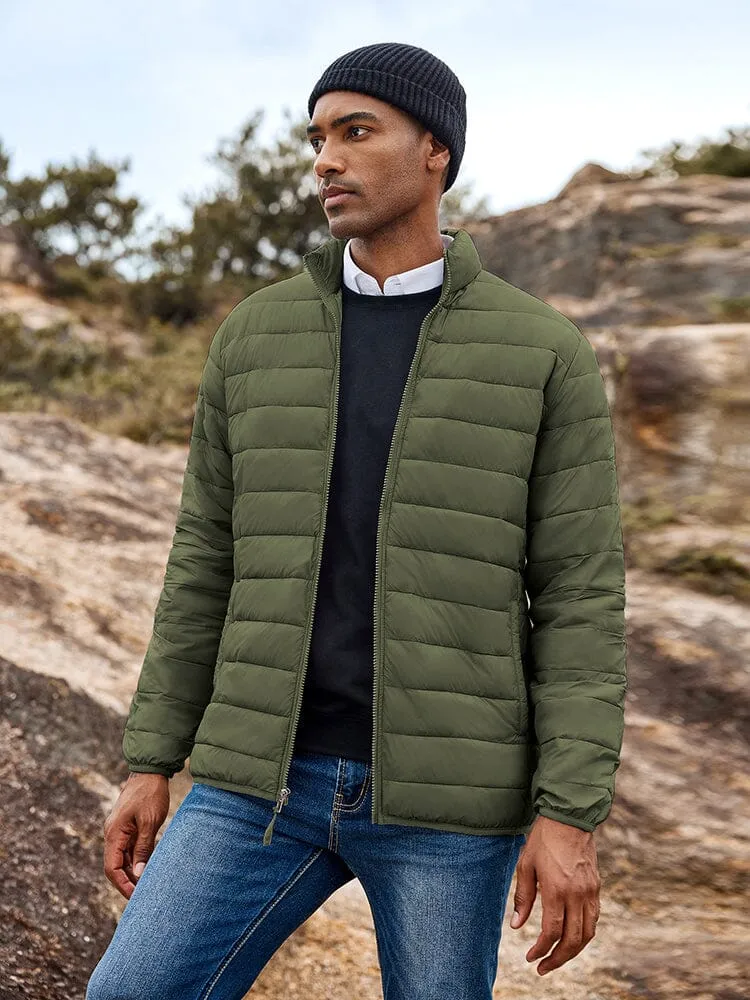
A packable lightweight puffer jacket stays warm and packable only when you care for it properly. Wash it wrong once and the fill clumps, the shell puckers, and the jacket loses the loft that makes it worth owning. This guide covers every step, from reading the label to long-term storage, so your COOFANDY puffer keeps performing season after season.
Read the Label Before You Wash Anything
COOFANDY builds its puffer with a specific fill and shell material, and the care label reflects that. Before you run water or reach for detergent, check the tag for:
- Wash temperature — most synthetic-fill jackets tolerate 30°C (86°F) cold or warm, never hot
- Machine or hand wash only — some shells are too delicate for agitator cycles
- Tumble dry instructions — this step is critical for restoring loft (more on that below)
- Dry clean symbols — a circled X through a P means keep it out of the dry cleaner
Clothing material quality varies by jacket style and season, so never assume one COOFANDY item washes the same as another.
How to Machine Wash Your Packable Lightweight Puffer Jacket
Machine washing is fine for most synthetic-fill puffers if you follow the right steps.
- Close all zippers and snaps to protect the shell fabric and prevent snagging
- Turn the jacket inside out to reduce friction on the outer material
- Use a front-loading washer if you have one — top-loaders with agitators can tear baffles
- Add a small amount of down or technical wash (or a mild, dye-free detergent) — standard detergent strips the fill coating
- Select a gentle or delicates cycle at cold or lukewarm water
- Run an extra rinse cycle to remove all detergent residue, which causes clumping
Avoid fabric softener entirely. It coats synthetic fill and kills loft permanently.
How to Hand Wash If the Label Requires It
Some COOFANDY shell fabrics warrant extra care. Hand washing takes about ten minutes and is the safest option when you are unsure.
- Fill a clean tub or large basin with cool water and a small amount of mild detergent
- Submerge the jacket and gently squeeze water through the fabric — do not wring or twist
- Drain and refill with clean water, then squeeze again to rinse until the water runs clear
- Press (never wring) the jacket against the tub wall to remove excess water before drying
Drying: The Step Most People Get Wrong
Drying a puffer jacket correctly is more important than the wash itself. Heat that is too high melts synthetic fill; too little and clumps stay clumped.
| Drying Method | Temperature | Loft Result |
|---|---|---|
| Tumble dry, low heat | Low / gentle | Best — restores full loft |
| Air dry flat | Room temp | Acceptable — takes 6-8 hours |
| Hanging to dry | Room temp | Poor — fill settles to the bottom |
| High heat tumble | High | Damaging — melts or fuses fill |
The tennis ball trick: toss two or three clean tennis balls (or dryer balls) into the drum with the jacket. They break up clumps as the jacket tumbles, restoring the fluffy, even fill distribution that makes a packable lightweight puffer jacket so effective.
Check the jacket every 20 minutes. Take it out and shake it by hand to redistribute fill, then return it to the dryer. Plan for at least two full dryer cycles on low heat before it is fully dry. Never put it away damp — trapped moisture breeds mildew and ruins the fill.
Spot Cleaning for Between-Wash Touch-Ups
Washing too often degrades the shell and fill faster than necessary. For minor dirt or food stains, spot clean instead.
- Dab (never rub) a small amount of mild detergent onto the stain with a damp cloth
- Work from the outside of the stain inward to avoid spreading it
- Rinse the spot with a clean damp cloth until no detergent remains
- Air dry the area completely before packing or storing the jacket
This approach keeps clothing material quality high between full washes and extends the jacket's life significantly.
Storing Your Puffer Jacket Properly
How you store a packable puffer between seasons matters as much as how you wash it. Compression kills loft over time if sustained for months.
- Store it uncompressed — hang it or fold it loosely in a large breathable bag
- Never store in its stuff sack long-term — the stuff sack is for travel, not for sitting in a closet from March to October
- Keep it away from direct sunlight and heat sources, which degrade both the shell fabric and the fill
- Add a cedar block nearby to deter moths without chemicals that could affect the material
If you are doing a seasonal wardrobe update and rotating your puffer out for warm-weather pieces like a comfort hoodie set or a male tracksuit set, make sure the jacket is fully clean before long-term storage. Oils and stains set permanently over months.
Common Mistakes and How to Avoid Them
- Using too much detergent — excess residue is the top cause of post-wash clumping
- Skipping the extra rinse — a single rinse rarely removes all detergent from a dense fill
- Drying on high heat — always low, always with dryer balls
- Storing compressed — the stuff sack is a travel feature, not a storage solution
- Ironing the shell — heat from an iron melts most synthetic shells instantly; never do it
Keeping these habits consistent means your jacket will look and perform like new after every wash. If you want to check current pricing on the puffer or grab the code before your next order, that is the place to start. COOFANDY's current 20% off sitewide offer also applies to their broader range, including coofandy shirts and cotton cargo pants, so it is worth stocking up on your staples at the same time.
Whether you are maintaining a single jacket or building out a full wardrobe, check the latest price and discount before you buy so you get the best value on every piece.
 Shopping at COOFANDY? See today's verified COOFANDY discount code
Frequently asked questions
Can I machine wash a packable lightweight puffer jacket?
Yes, most synthetic-fill puffer jackets are machine washable on a gentle cycle in cold or lukewarm water. Use a front-loading washer if possible, and always run an extra rinse cycle to clear all detergent residue from the fill.
Why does my COOFANDY puffer jacket look flat after washing?
Flat fill after washing almost always means detergent residue is left in the jacket, or it was not dried thoroughly on low heat with dryer balls. Run it through another low-heat tumble dry cycle with two tennis balls or dryer balls, checking and shaking it every 20 minutes until the loft returns.
What detergent should I use for my puffer jacket?
Use a small amount of technical outerwear wash or a mild, dye-free detergent. Standard laundry detergent can strip the fill's coating and cause permanent clumping, and fabric softener should be avoided entirely.
How often should I wash my COOFANDY puffer jacket?
Washing two to three times per season is enough for most wearers. For light soiling between washes, spot clean with a damp cloth and mild detergent rather than running a full wash cycle, which degrades the shell and fill over time.
How should I store my puffer jacket when I am not using it?
Store it uncompressed, either hung or loosely folded in a breathable bag. The stuff sack designed for travel compression should not be used for long-term storage, as sustained compression permanently reduces loft.
Does the COOFANDY discount code apply to the puffer jacket?
The current sitewide offer covers the full COOFANDY range. Check the coupon page for the latest code and any exclusions before ordering.