
How to Care for a Hair Turban, Handmade Acetate Comb, and Beard Brush So They Last Longer

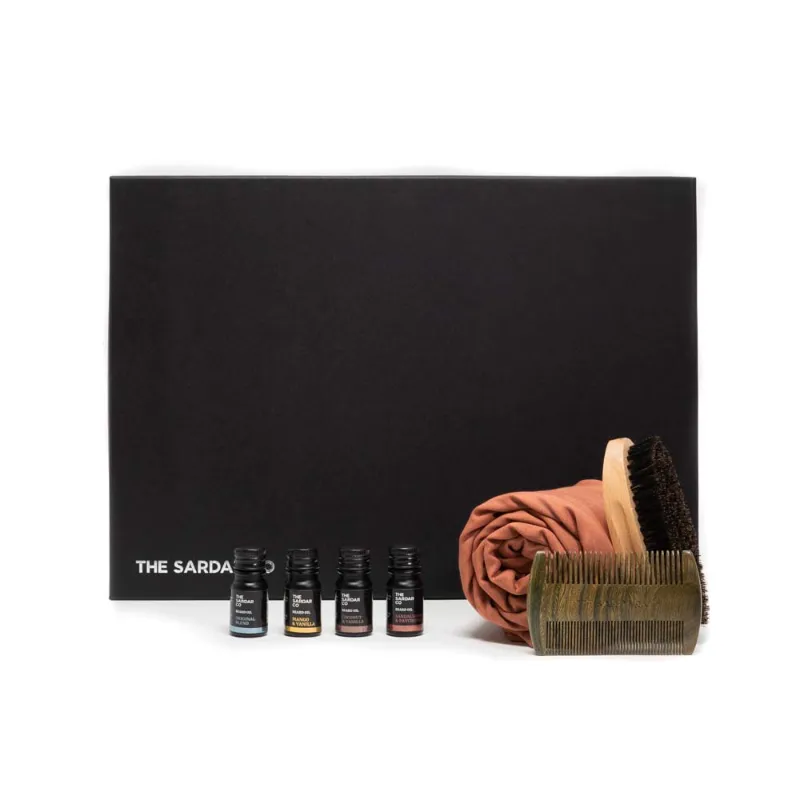
A Handmade Acetate Comb, hair turban, and beard brush last longer when you keep them dry between uses, clean away oil buildup gently, and store them where heat and moisture cannot warp fibers, bristles, or cloth. For The Sardar Co shoppers, that care routine matters because pieces like the Handmade Acetate Comb, kesari cloth, german blue cloth, and beard brush are made to be used often, not treated as disposable bathroom extras.
The short version is simple: wash lightly, dry fully, avoid harsh chemicals, and do not leave grooming tools sitting in beard oil, scalp oil, steam, or direct sun. Below is the practical routine we use to keep combs smooth, turbans fresh, and brushes working properly for longer.
Handmade Acetate Comb Care: Clean It Without Scratching It
Acetate is one of the reasons a good comb feels smoother than cheap molded plastic. It is commonly used for premium combs because it can be polished well, shaped cleanly, and made with attractive color depth. If you want background on the material and manufacturing style, this overview from an acetate comb manufacturer and supplier explains how acetate combs are produced and finished.
To care for an acetate comb:
- Rinse it with lukewarm water after heavy product use.
- Use a soft cloth or your fingers to remove residue between the teeth.
- Add a tiny amount of mild soap only when there is visible buildup.
- Dry it immediately with a clean towel.
- Let it air-dry fully before putting it back in a drawer or pouch.
Avoid hot water, boiling water, bleach, alcohol-heavy sprays, and leaving the comb on a radiator or sunny windowsill. Heat can affect polished grooming tools over time, and harsh cleaners can dull the finish.
If you use hair oil, nourishing natural hair oil, or scalp oil often, clean the comb more regularly. Oils are useful for hair care, but they can trap lint and dust on the comb if you put it away dirty. The goal is not to sterilize it every day. The goal is to keep the teeth smooth so they glide through hair without dragging.
How to Wash and Dry Kesari Cloth and German Blue Turbans
The main threat to a hair turban or cloth is not normal washing. It is rough washing, damp storage, and product buildup. A kesari cloth or german blue cloth may come into contact with hair oil, sweat, water, and styling products, so it needs a gentle but consistent routine.
Use this care method:
- Shake out loose hair and lint before washing.
- Hand wash in cool or lukewarm water with a mild detergent.
- Rinse until the water runs clear and the cloth no longer feels slippery.
- Press out water without twisting aggressively.
- Dry flat or hang in open air until fully dry.
Do not store a damp turban in a gym bag, drawer, or closed cabinet. That is where odor and mildew problems start. If the cloth has absorbed scalp oil or nourishing natural hair oil, wash it sooner rather than waiting for a full laundry day.
For color care, wash deep shades separately at first and avoid strong stain removers unless the care label allows them. If you are replacing a worn cloth or buying a backup, check the latest price and any active code on our The Sardar Co discount page before ordering.
Beard Brush Maintenance for Oil, Balm, and Daily Use
A beard brush collects more than loose hair. It picks up beard oil, Coffee & Walnut Beard Balm, vanilla beard balm, skin flakes, dust, and anything else sitting in your beard. That is normal, but if you never clean it, the brush starts moving old product back into clean facial hair.
For a beard brush, use a dry-clean-first approach:
- Remove loose hair with your fingers or a wide-tooth comb.
- Tap the brush gently bristle-side down to release dust.
- Wipe the handle and back with a lightly damp cloth.
- For deeper cleaning, touch only the bristle tips to mild soapy water.
- Rinse the bristle tips carefully without soaking the brush base.
- Dry bristle-side down on a towel so water does not settle into the handle.
The biggest mistake is submerging the entire brush. Soaking can weaken wood, affect adhesives, and make natural bristles smell musty if they dry too slowly.
If your routine includes beard oil in the morning and balm later in the day, plan a quick brush clean once you notice the bristles clumping or looking shiny. Balm residue, especially richer formulas like Coffee & Walnut Beard Balm or vanilla beard balm, can make a brush feel less effective if it is allowed to build up.
Match the Tool to the Product You Use
Different grooming products leave different levels of residue. A simple matching routine helps you clean only as much as needed without over-washing your tools.
| Product or tool | What it leaves behind | Best care habit |
|---|---|---|
| Hair oil or scalp oil | Slick residue, dust attraction | Wipe combs after use and wash cloth sooner |
| Beard oil | Light oil on bristles and handles | Dry wipe often, mild clean when bristles clump |
| Beard balm | Waxier buildup | Remove hair first, then clean bristle tips gently |
| Hair turban cloth | Sweat, oil, moisture | Hand wash and fully air-dry before storage |
If you use nourishing natural hair oil before wrapping your hair, let the oil absorb for a short while before putting on a cloth. That reduces transfer and helps the cloth stay fresher. If your beard routine includes Tea Tree Beard Growth Oil, use the same principle: apply, distribute, then keep the brush clean enough that yesterday’s product is not doing today’s styling.
Storage Rules That Prevent Warping, Odor, and Buildup
Storage is where many grooming tools get damaged. A clean comb tossed into a wet sink area still picks up grime. A washed cloth folded while slightly damp can develop odor. A brush left in a steamy bathroom can take longer to dry between uses.
Use these storage rules:
- Keep combs and brushes away from standing water.
- Let cloth turbans dry completely before folding.
- Store oil-based products upright and tightly closed.
- Do not leave a comb next to hot styling tools.
- Keep a beard straightener separate from oils and balms until everything is dry.
- Use a breathable pouch or drawer area rather than a sealed plastic bag for damp-prone items.
A Handmade Acetate Comb is compact enough to carry, but pocket carry can scratch it if it sits with keys or coins. If you travel with one, use a sleeve or dedicated pocket. The same goes for a beard brush. Protecting the surface matters because smooth contact is what makes the tool feel good in hair or beard.
When to Replace a Comb, Turban, or Brush
Good care extends life, but grooming tools are not permanent. Replace them when they stop doing their job cleanly or comfortably.
Signs it is time to replace a comb:
- Teeth are chipped, sharp, or bent.
- The surface feels rough against hair.
- It has deep cracks that trap residue.
- Cleaning no longer removes buildup.
Signs it is time to replace a hair turban or cloth:
- It smells musty after proper washing.
- Fibers feel rougher or less absorbent.
- Edges are fraying heavily.
- Color transfer continues after several washes.
Signs it is time to replace a beard brush:
- Bristles are falling out heavily.
- The handle is cracked or swollen.
- It smells damp even after drying.
- Product buildup remains at the base of the bristles.
Before replacing, compare the product page and our coupon page. The Sardar Co offer can change, so it is worth checking the current deal or grabbing the code before you buy.
A Simple Weekly Care Routine
If you want a low-effort schedule, this is the one we recommend:
- Daily: wipe your comb if you used oil, remove hair from the beard brush, and hang cloth to dry.
- Twice weekly: inspect the beard brush for balm buildup and clean bristle tips if needed.
- Weekly: hand wash cloths that touched hair oil, scalp oil, or sweat.
- Monthly: give the comb a mild soap clean and check teeth for rough spots.
- As needed: deep clean after heavy balm, travel, gym use, or humid storage.
The Handmade Acetate Comb, kesari cloth, german blue cloth, and beard brush all benefit from the same basic habit: do not let oil, moisture, and dust sit for days. Clean gently, dry thoroughly, and store smartly. That routine keeps your grooming products feeling better and helps you get more value from every order, especially when you pair your purchase with the latest The Sardar Co code for 15% off sitewide if it is still available on our discount code page.
Frequently asked questions
How do I clean a Handmade Acetate Comb after using hair oil?
Rinse it with lukewarm water and use mild soap only when there is visible oil or product buildup. Dry it right away with a soft cloth and avoid hot water or harsh cleaners.
What is the safest way to remove beard balm from a beard brush?
Use a wide-tooth comb or your fingers to lift out loose hair, then tap the brush gently bristle-side down. If balm has built up, clean only the bristle tips with mild soapy water and dry it bristle-side down.
Can I wear kesari cloth or german blue cloth after applying scalp oil?
Yes, but it is better to let hair oil absorb for a little while first. This reduces transfer, keeps the cloth fresher, and makes washing easier.
Should I soak my beard brush to deep clean it?
No. Soaking can damage the handle, loosen bristles, and trap water at the base. A light surface clean and careful bristle-tip wash is safer.
When should I replace an acetate comb?
Replace it when teeth feel sharp, chipped, cracked, or rough against hair. A comb should glide smoothly, not snag or scrape.