
Hojicha Powder Vs Matcha Powder: Which Tea Powder Is Better For Lattes And Baking?

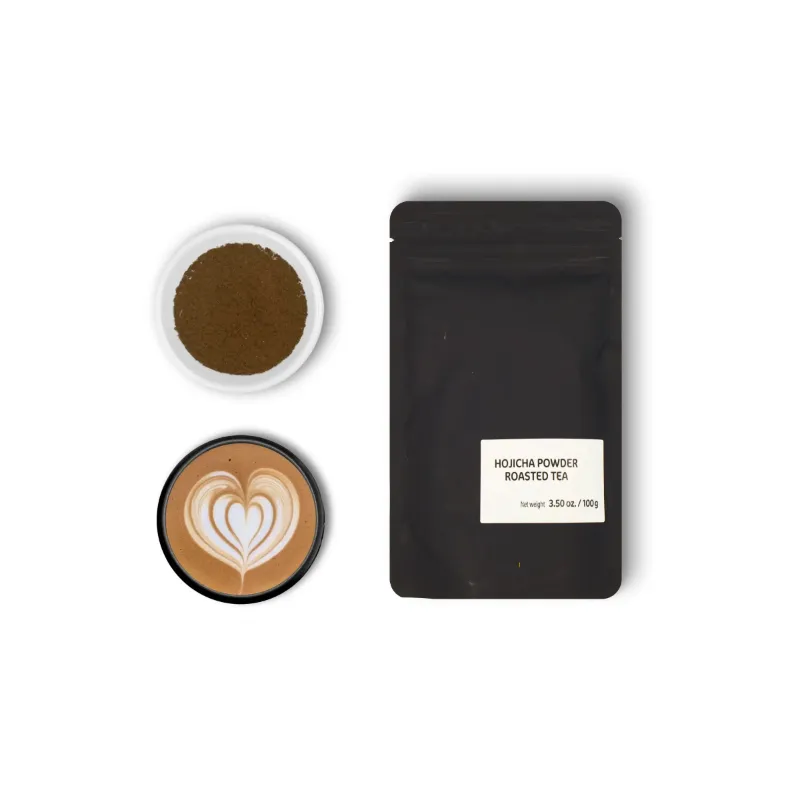
Hojicha Powder is usually better for warm lattes and baking, while matcha powder is better when you want vivid green color, grassy freshness, and a stronger tea-forward edge. For Nio Teas shoppers, the decision comes down to flavor first: Hojicha Powder tastes roasted, nutty, and mellow, while matcha tastes vegetal, bright, and more energizing.
If you are buying today, check the product page for the tea itself and use our Nio Teas coupon page to grab the code before checkout. The current store offer we have listed is 5% off sitewide, but always confirm the live terms before ordering.
Hojicha Powder vs matcha: the quick buyer answer
Both powders are Japanese tea products, but they behave very differently in drinks and food. Matcha is shade-grown green tea stone-ground into a fine powder, while hojicha is roasted tea ground into powder, giving it a deeper, toasted flavor and a darker brown color.
| Best for | Pick | Why |
|---|---|---|
| Cozy milk lattes | Hojicha | Toasty, caramel-like, low bitterness |
| Bright iced drinks | Matcha | Fresh green flavor and vivid color |
| Baking | Hojicha | Roasted notes hold up well with flour, butter, chocolate, and vanilla |
| Visual impact | Matcha | Strong green color stands out in drinks and desserts |
For a simple rule: choose hojicha when you want comfort, roast, and dessert-like depth; choose matcha when you want freshness, color, and a classic green tea profile.
Why Hojicha Powder works so well for lattes
Hojicha powder for latte recipes is popular because the roasted flavor blends smoothly with milk. It does not fight dairy or plant milk the way some bitter green teas can, and it often tastes naturally warm without needing heavy sweetener.
It suits:
- Hot lattes with oat milk, dairy milk, soy milk, or almond milk
- Iced lattes where you want a coffee-like roasted note without coffee flavor
- Vanilla, maple, brown sugar, cinnamon, or chocolate syrups
- Evening drinks, especially if you prefer a gentler tea experience than matcha
Matcha still wins for certain café-style drinks. If you love layered, aromatic drinks, a matcha lavender latte makes more sense than hojicha because floral notes tend to pair better with matcha’s grassy brightness. Matcha also shines in creative recipes like ube matcha, matcha tonic, and matcha frappuccino where color and contrast are part of the appeal.
For hojicha, keep the method simple:
- Sift the powder if it looks clumpy.
- Whisk with a small amount of warm water to make a paste.
- Add steamed or cold milk.
- Sweeten lightly only after tasting.
That paste step matters. If you add dry tea powder straight to a full cup of milk, you are more likely to get clumps and uneven flavor.
Hojicha Powder for baking: where it beats matcha
Hojicha powder for baking is one of the strongest reasons to choose it over matcha. Roasted tea flavor is naturally compatible with cookies, cakes, brownies, muffins, shortbread, buttercream, custards, and ice cream bases.
The main advantage is stability of flavor. In baked goods, matcha can become muted, grassy, or slightly bitter if the recipe uses too much heat, sugar, or fat. Hojicha’s roasted character is more forgiving. It can taste like toasted nuts, cocoa, caramel, or roasted barley depending on the recipe.
Use it when you are making:
- Hojicha cookies with white chocolate
- Pound cake or loaf cake
- Tiramisu-style desserts
- Brownies or chocolate cake
- Buttercream, glaze, or cream filling
- Pancakes, waffles, or French toast batter
Matcha is still the better baking choice if the visual goal is green color. It works especially well in no-bake desserts, frostings, cream fillings, and chilled sweets where heat is limited.
If you are comparing hojicha powder amazon listings, local options from a “hojicha powder near me” search, and specialty tea shops, look past convenience. Freshness, roast quality, grind texture, and ingredient transparency matter more than simply buying the first pouch you see. For broader buying context, The Cup of Life has a helpful guide to where to buy hojicha powder online.
Flavor, caffeine, and benefits in plain English
Hojicha powder benefits are mostly about taste, versatility, and a gentler feel compared with many matcha drinks. Because hojicha is roasted, it usually tastes less sharp and less vegetal. Many people choose it when they want a tea latte that feels closer to cocoa or coffee, but without the same profile as either.
Matcha’s benefits are different. It is prized for its concentrated green tea flavor, ceremonial use, and energizing character. Since you consume the whole leaf with both powders, quality matters. A stale or harsh powder will be more noticeable than a weak tea bag.
| Factor | Hojicha | Matcha |
|---|---|---|
| Flavor | Roasted, nutty, mellow | Grassy, vegetal, fresh |
| Color | Brown to reddish-brown | Bright to deep green |
| Bitterness | Usually lower | Can be higher if overused or poorly prepared |
| Best mood | Cozy, dessert-like | Clean, bright, energizing |
If you read hojicha powder reddit threads, you will often see the same split: latte drinkers and bakers tend to praise hojicha for comfort and low bitterness, while matcha fans usually care more about color, freshness, and the classic green tea taste.
How to choose the best hojicha powder for your kitchen
The best hojicha powder is not just the darkest or strongest-looking option. You want a powder that is fine enough to whisk, aromatic when opened, and clearly intended for drinks or culinary use.
Look for:
- Fine texture: better suspension in lattes and batters
- Clear sourcing: the tea should not feel anonymous or vague
- Roast aroma: toasted, warm, and clean rather than smoky or flat
- No unnecessary fillers: plain tea powder is the most flexible choice
- Recipe fit: lighter roast for delicate sweets, deeper roast for chocolate or coffee-style drinks
Nio Teas is a good fit if you want to shop from a tea-focused store rather than a general marketplace. You can compare the tea product, then check the latest price and coupon details before you buy.
Tools, prep, and when a kyusu teapot still matters
A powdered tea does not require a teapot. For lattes, you mainly need a small bowl, a whisk or handheld frother, a spoon, and a cup. Still, a kyusu teapot is useful if you also drink loose-leaf Japanese tea and want a cleaner everyday brewing setup.
Think of the tools this way:
| Use case | Best tool | Notes |
|---|---|---|
| Powder latte | Whisk or frother | Helps prevent clumps |
| Loose-leaf roasted tea | Kyusu | Better control for Japanese tea brewing |
| Cold café drinks | Shaker bottle | Good for iced matcha or hojicha milk drinks |
| Baking | Fine sieve | Helps distribute powder evenly |
If you like the roasted profile but want a traditional steeped cup instead of powder, roasted tea is the adjacent product to consider. It will not behave the same in frosting or cookie dough, but it is excellent for straightforward sipping.
Which Nio Teas drink style should you choose?
Choose based on how you actually drink tea, not just what looks best online.
- Pick hojicha if you want lattes, baking, lower bitterness, and roasted dessert flavor.
- Pick matcha if you want green color, a grassy profile, and café drinks like matcha cold brew or matcha tonic.
- Pick both if you make drinks for different moods: hojicha for cozy mornings or dessert, matcha for bright iced drinks.
For shoppers who enjoy experimenting, Nio Teas also has playful matcha formats such as banana matcha, matcha beer, matcha frappuccino, and ube matcha. Those are more niche than a staple tea powder, but they show how flexible matcha can be when the goal is a fun drink rather than baking performance.
Our honest recommendation: start with the roasted powder if your main use is milk drinks and desserts. Start with matcha if your main use is iced café drinks, color-forward recipes, or a more traditional green tea flavor. Before placing an order, use our Nio Teas page to get the current discount code and confirm the live offer.
Frequently asked questions
Is Hojicha Powder better than matcha for lattes?
Yes, if you want a mellow roasted latte with less grassy flavor. Matcha is better when you want a brighter, greener drink with a stronger tea taste.
Can I bake with Hojicha Powder instead of matcha?
Yes. It works especially well in cookies, cakes, brownies, buttercream, and custards because its roasted flavor pairs naturally with vanilla, chocolate, butter, and sugar.
Does hojicha taste like coffee?
Not exactly. It has roasted, nutty, and sometimes cocoa-like notes, but it still tastes like tea rather than brewed coffee.
Do I need a kyusu teapot for powdered tea?
No. A kyusu is for loose-leaf tea, while powder is usually whisked, frothed, shaken, or mixed into recipes.
Where should I buy hojicha powder if I care about freshness?
Buy from a tea-focused seller with clear product information rather than choosing only by convenience. Check the product page and current coupon terms before ordering.