
Insta360 GO 3S Vs Ace Pro 2 For Helmet, Bike, And Body Mounts: Which Setup Is Better For Hands-Free Recording?

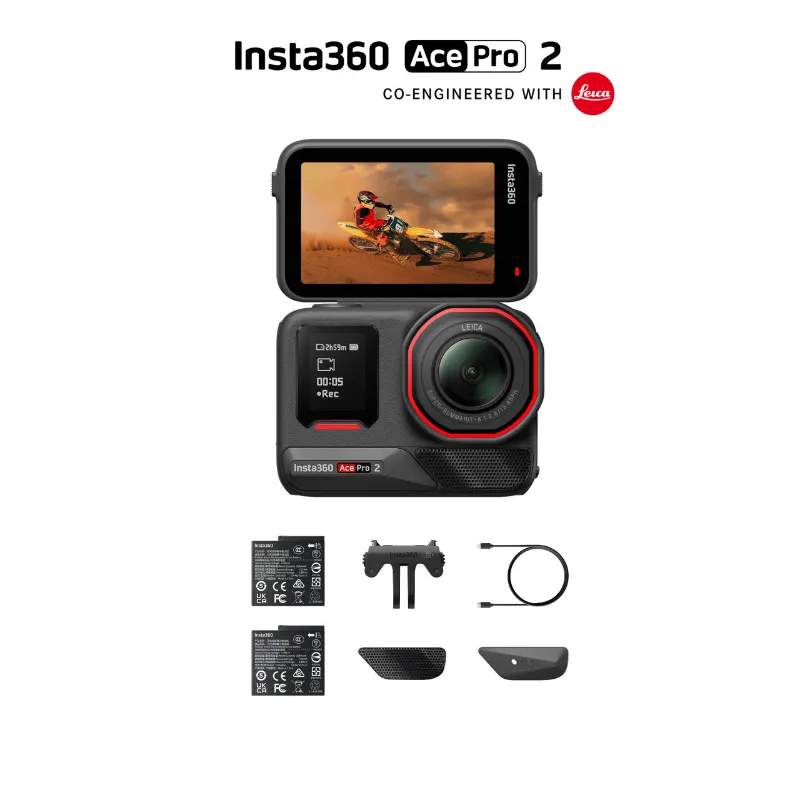
For helmet, bike, and body mounts, GO 3S vs Ace Pro usually comes down to one simple choice: pick the GO 3S if you want the lightest, least intrusive hands-free setup, and pick the Ace Pro 2 if you care more about a traditional action-cam experience and stronger footage potential. Both can work well, but they solve different problems.
If your priority is comfort, low bulk, and quick mounting, the GO 3S is the easier recommendation. If you are shopping and want to check the latest price before deciding, compare the live store page rather than relying on static pricing in any review.
GO 3S vs Ace Pro for hands-free recording
The biggest difference is not just image quality. It is how each camera feels once it is actually mounted on your helmet, bike, or body for an hour or more.
Here is the practical view:
| Setup factor | GO 3S | Ace Pro 2 |
|---|---|---|
| Size on helmet or body | More discreet and easier to forget | More noticeable and bulkier |
| Everyday wear comfort | Better for long casual use | Better if you accept more weight for features |
| Framing and on-camera control | Simpler, less traditional | More like a standard action camera |
| Best fit | Commuting, casual POV, lightweight setups | Higher-priority footage, planned shoots, more control |
In plain terms:
- Choose the GO 3S if you want a camera that gets out of your way.
- Choose the Ace Pro 2 if you want a camera that gives you more confidence while actively monitoring shots.
- For true hands-free use, comfort and mount stability matter just as much as camera quality.
Best setup for helmet mounts
Helmet mounting is where the smaller camera usually has the clearest advantage. A compact camera creates less leverage on the mount, feels less awkward at speed, and is easier to place without making the helmet feel unbalanced.
The GO 3S suits riders and cyclists who want:
- a lower-profile side mount
- less neck strain over longer sessions
- a setup that feels less obvious in public
- quick on-and-off use without much adjustment
The Ace Pro 2 suits riders who want:
- a more conventional action-cam viewpoint
- easier live framing from the camera itself
- fewer compromises if footage quality is the top goal
What we would focus on for helmets:
- Keep the mount as close to the helmet shell as possible.
- Avoid overextending the camera with extra arms unless you truly need the angle.
- Test side versus top placement before a long ride.
- Check local rules and safety guidance before mounting anything to a helmet.
If you want a feel for how real owners weigh these tradeoffs, this community discussion on Ace, ace pro or go3? : r/Insta360 is useful because it reflects actual buying hesitation around size and use case.
Which camera works better on bike mounts
Bike mounting is less about wearability and more about stability, vibration, and how much camera bulk you are willing to put on the bars, stem, or frame.
On a bike, the Ace Pro 2 becomes more competitive because camera size is not sitting on your body in the same way. If the mount is solid, a larger action camera can be easier to position and manage.
A bike setup usually favors the Ace Pro 2 when:
- you want a front-facing bar or stem POV
- you care more about cinematic ride footage than low weight
- you are okay with a bigger camera on the bike itself
A bike setup usually favors the GO 3S when:
- you want flexible mounting points in tighter spaces
- you switch between bike, jersey, and helmet in one outing
- you want a smaller setup for casual rides or commuting
The key issue is not which camera is objectively better. It is where the camera will live most of the time:
- On your body or helmet, smaller often wins.
- On the bike itself, the larger camera can make more sense.
If you are close to buying, it is worth taking a quick look at the live deal page to grab the code and compare current bundles, since accessories can change the value of either camera.
Body mounts and wearable comfort
For chest straps, magnetic wear, backpacks, or clipped-on daily use, the GO 3S is usually the stronger fit. This is the area where a tiny camera is not just convenient, but meaningfully easier to use.
Why the GO 3S tends to win for body mounting:
- less bounce from camera weight
- less attention in public spaces
- easier to wear for walking, travel, errands, and casual cycling
- more realistic for people who do not want to feel like they are filming all day
Why some people still prefer the Ace Pro 2 on a body mount:
- they want a more deliberate filming setup
- they prefer a larger camera interface
- they are filming specific content, not just capturing moments passively
This is where many buyers make the wrong call. They compare feature lists instead of asking one honest question: Will I actually wear this often? If the answer depends on comfort and low profile, the GO 3S usually has the edge.
Image quality versus ease of use
This is the real tradeoff in GO 3S vs Ace Pro. The Ace Pro 2 is the more natural choice for buyers who put footage quality first and do not mind carrying a larger action camera. The GO 3S is the smarter choice for buyers who know consistency beats perfection, because the best camera is often the one you will mount more often.
Think about your use like this:
| Your priority | Better fit |
|---|---|
| Wearable, minimal, quick everyday POV | GO 3S |
| Higher-end action-cam shooting experience | Ace Pro 2 |
| Mixed use across helmet, body, and casual clips | GO 3S |
| Planned rides or shoots where footage is the goal | Ace Pro 2 |
A helpful reality check is this comparison video, Insta 360 X4 vs Insta360 GO 3S vs Insta360 Ace Pro, which gives more visual context for size and shooting style differences.
Who should buy each one
Buy the GO 3S if you are:
- primarily recording hands-free moments
- mounting on helmets, clothing, backpacks, or your body often
- sensitive to size, comfort, or social visibility
- more interested in capturing the moment than managing the camera
Buy the Ace Pro 2 if you are:
- treating your setup more like a dedicated action cam
- happy to work around a larger camera for stronger results
- mostly mounting to a bike or stable platform rather than wearing it all day
- likely to care about screen-based control while shooting
If you are still undecided, our simplest advice is this:
- For the easiest true hands-free setup, buy the GO 3S.
- For the best fit for more intentional action footage, buy the Ace Pro 2.
Before you order, see the latest Insta360 offer so you can compare the current price, code, and any bundle extras that may shift the decision.
Frequently asked questions
Is the GO 3S or Ace Pro 2 better for a helmet mount?
For most helmet setups, the GO 3S is easier to live with because it is smaller and lighter on the side or top of a helmet. The Ace Pro 2 is usually better if you want a more traditional action-cam view and more on-camera control.
Which camera works better for chest or body mounts?
A body mount usually favors the GO 3S when comfort and low profile matter most. If you want a larger screen and a more standard action camera shooting experience, the Ace Pro 2 can still make sense.
Does a smaller camera always mean better hands-free footage?
Not always. A smaller camera is often more comfortable and less noticeable, but the best footage also depends on stabilization, framing, battery routine, and how secure the mount is.
Should I choose based on image quality or mounting flexibility?
If your main goal is convenience, quick wearability, and minimal bulk, prioritize mounting flexibility. If your footage is the priority and you do not mind a larger camera on your setup, image quality may be the better deciding factor.
Where should I check the latest Insta360 deal before buying?
The safest move is to check the live store page for the latest price and code rather than relying on an article. Use the current Insta360 deal page so you see the most up-to-date offer before you buy.