
How To Install A Ring Doorbell In A 1 Gang Box: What Fits And What To Check First

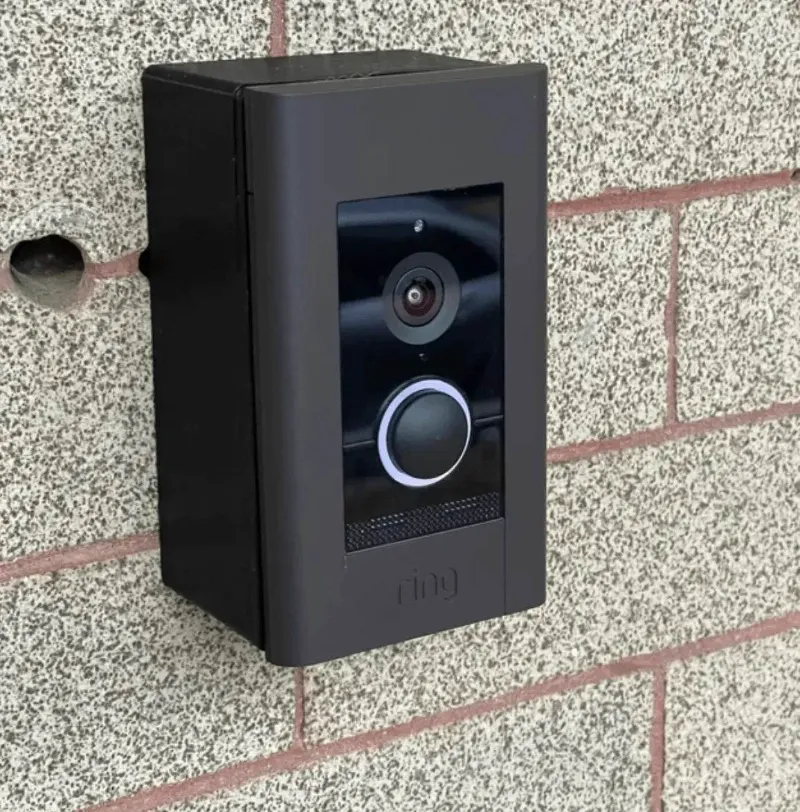
Installing a Ring doorbell 1 gang box setup is often possible, but only if the box location, mounting pattern, and wire space all work together. The quick answer is this: check alignment first, then choose a mount or adapter that matches both your Ring model and the existing box before you start drilling.
A lot of frustrating installs happen because the doorbell itself is not the main problem. The real issue is usually a narrow box, uneven siding, recessed wiring, or a plate that does not sit flat. If you want to avoid a messy return, it helps to check the latest fit options before you pick a mount.
What to check before mounting to a 1-gang box
Before you buy anything, confirm the basics at the door. A 1-gang box can support some Ring installs nicely, but only if the surface around it gives the mounting plate enough contact and the wires have space to sit safely.
Check these points first:
- Your exact Ring model. Wired and battery models can use different plates and have different footprints.
- Box position. If the box sits too close to trim, brick edges, or a storm door frame, the camera angle or button access can suffer.
- Hole alignment. Even if the box is standard, the Ring plate may not line up in a way that feels secure without an adapter.
- Wall flatness. Vinyl, brick, stucco, and lap siding can all leave gaps behind the plate.
- Wire depth. You need enough room so the wires and connectors do not get pinched.
- Viewing angle. If the box faces away from the walkway, you may need a wedge as well as a box mount.
If you want to see the basic wired install flow from Ring, this official walkthrough is useful: How to (Easily!) Install new Ring Video Doorbell Wired.
When a Ring doorbell 1 gang box install works well
A 1-gang box is most helpful when you already have low-voltage doorbell wiring in the right spot and the area around the box is reasonably flat. In that case, the box gives you a clean anchor point and can reduce guesswork compared with mounting directly into masonry or siding.
A good fit usually looks like this:
- The box is solid and not loose in the wall
- The opening is centered where you want the camera
- The mounting plate sits flat without rocking
- The wires come through cleanly without bulging the back of the doorbell
- The finished unit clears nearby trim and does not block the button
A poor fit usually shows up fast:
- The plate only touches at the top or bottom
- The box is recessed too deeply
- One side hits siding overlap or brick texture
- The camera points too far left or right from the visitor path
- The screws tighten, but the unit still feels twisted
If that sounds familiar, a purpose-made adapter or mount is usually a better answer than forcing the stock plate to work.
Which mounting option makes sense
The best choice depends on whether your problem is hole alignment, surface shape, or camera angle. Here is the simplest way to compare the common options.
| Option | Best for | Watch out for |
|---|---|---|
| Stock mounting plate | Flat surface with easy alignment | May not cover gaps or match the box cleanly |
| 1-gang box adapter or mount | Existing box installs with alignment issues | Must match your Ring model and wall layout |
| Wedge or angle kit | Doorbells that need a better view of the approach | Does not solve poor box fit on its own |
| New surface mount location | When the box position is simply wrong | More work, more patching, and new drilling |
For many buyers, the sweet spot is a box-compatible mount that creates a cleaner face around the opening and gives the plate a flatter base. If you are comparing styles or want to grab the code before ordering, it helps to look at mounts built specifically for existing doorbell locations rather than generic spacers.
How to install without creating fit problems
Once you know the mount and model are compatible, the install is straightforward. The goal is not just to get the doorbell on the wall. It is to make sure it sits flat, stays secure, and does not pinch the wires.
Basic install order
- Turn off power at the breaker if you are working with existing wired doorbell leads.
- Remove the old button or cover plate and inspect the box for damage, looseness, or corrosion.
- Test-fit the adapter or mounting plate before connecting anything.
- Pull the low-voltage wires through gently and check that they reach the terminals without strain.
- Attach the mount or adapter evenly so it sits flat against the wall surface.
- Connect the doorbell wires according to Ring’s instructions for your model.
- Mount the doorbell and check for rocking, gaps, or over-tightened screws.
- Restore power and confirm that the app setup and button press both work.
Small details that matter
- Do not overtighten screws into a plastic adapter. Snug is better than forced.
- If the plate rocks, stop and shim or switch mounts instead of tightening harder.
- Keep wire connectors tucked neatly so the back of the unit can seat fully.
- Check the camera view before calling the job done. A level-looking install is not always the best viewing angle.
For real-world installer discussion on wired fit and setup quirks, this thread can be useful background: How To Install a Ring Video Doorbell Wired - From an ....
Materials and surface issues that change the install
The box itself is only part of the job. The wall material around it often decides whether you need an adapter, a spacer, or a wider mounting base.
Common surfaces and what they change
- Brick: The face can be uneven, and mortar lines can leave one side unsupported.
- Stucco: Texture makes flush mounting harder and can crack if a plate is forced down unevenly.
- Vinyl siding: The profile usually needs a flatter mounting surface or siding block.
- Wood trim: Often easiest to work with, but old paint buildup can hide uneven spots.
- Metal cladding: Can flex or leave sharp edges around the opening.
If the box is recessed, you may also need a mount that bridges the gap cleanly instead of letting the doorbell float over the opening. That is one of the main reasons buyers end up needing a dedicated mount rather than using the standard hardware alone.
Who should use a box mount, and who should relocate instead
A box mount is a smart choice when the existing location is basically correct and you just need better fit, cleaner coverage, or easier alignment. It is not the best fix when the original doorbell spot gives you a bad camera view or awkward visitor access.
A mount or adapter usually suits you if:
- You already have working doorbell wires in a sensible location
- The 1-gang box is secure but the stock plate fit is not ideal
- You want a cleaner finished look around the opening
- You would rather avoid drilling into brick or siding again
Relocating the doorbell may be better if:
- The current box is too low, too high, or too far from the main path
- The door swing blocks the camera or button
- The visitor view is poor even with a wedge
- The box is damaged or mounted in a bad surface area
That is why we usually tell shoppers to solve the fit on paper first. Confirm the model, measure the area, and make sure the plate will sit flat. Then check the latest price on a compatible mount instead of guessing and hoping the stock hardware will adapt.
The bottom line
A Ring doorbell 1 gang box install can be simple, but only when the box, wall surface, and mounting plate all match the job. Check alignment, flatness, wire clearance, and camera angle first, then choose a mount that fixes the real problem instead of just covering it up.
If your existing doorbell spot is good, a proper box-compatible mount is often the cleanest way to get a secure, tidy result without extra drilling.
Frequently asked questions
Will any Ring doorbell fit a 1-gang box?
No. Fit depends on the doorbell model, the box position, and whether the mounting plate lines up cleanly with the box holes. Many installs work best with an adapter or purpose-made mount.
Do I need to drill new holes if I already have a 1-gang box?
Not always. If the faceplate area is solid and your mount is made for the box pattern, you may be able to use the existing box holes. If alignment is off, a compatible adapter can save time and avoid extra wall damage.
Can I install a Ring doorbell on a crooked or recessed box?
You can, but it is worth correcting the fit first. A recessed, tilted, or loose box can leave gaps behind the mount and make the doorbell sit unevenly.
What should I check before buying a doorbell mount?
Confirm your Ring model, box style, screw spacing, wall surface, and whether you need to angle the camera. Also check if you need room for wire connectors behind the unit.
Is a wedge kit the same thing as a 1-gang box mount?
No. A wedge changes the viewing angle, while a box mount or adapter helps the doorbell attach securely to the existing electrical box. Some setups need both.