
How to Change Straps on Interchangeable Watches: A Step-by-Step Guide

What Makes Interchangeable Watches So Practical
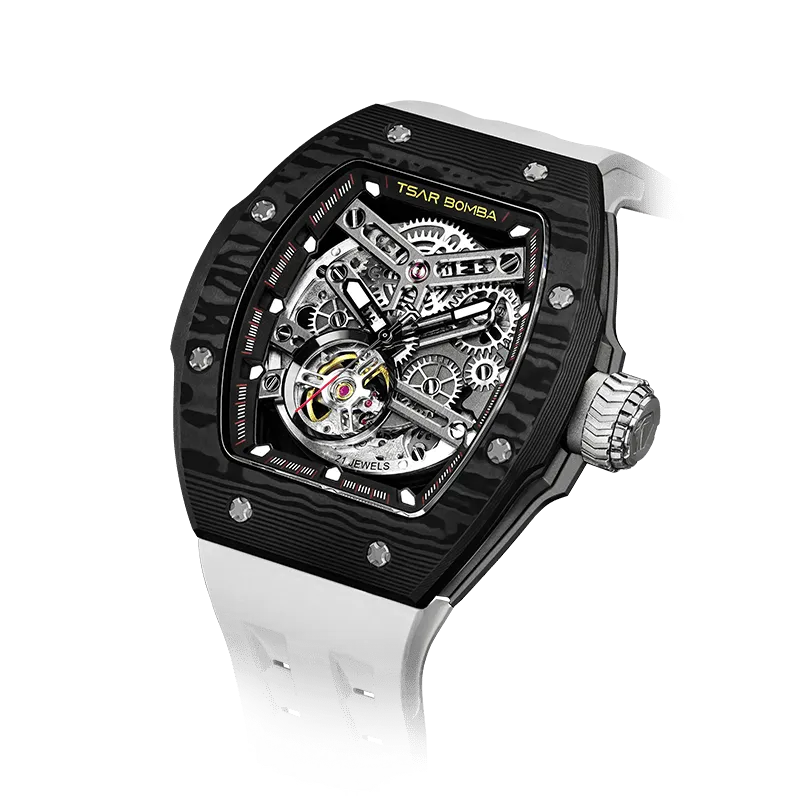
Interchangeable watches are designed with quick-release mechanisms or standard lug systems that let you swap bands without tools or jeweler visits. Whether you own a tsar bomba watch, a ladies dive watch, or a sleek carbon fiber watch, changing straps takes less than 30 seconds once you know the method. We've tested dozens of strap systems, and we'll walk you through every type so you can refresh your wristwear anytime.
Most modern interchangeable watches use spring bars or quick-release pins hidden between the watch case and strap. The beauty of these systems is that one watch becomes five: pair a rubber strap with your quartz watch for the gym, swap to leather for the office, and switch to a metal bracelet for evening wear.
Identifying Your Watch's Strap System
Before you start, check which attachment system your watch uses. The two most common types are quick-release spring bars and traditional spring bars.
Quick-release spring bars feature a small lever or button on each end of the pin. You'll see a tiny tab protruding from the strap where it meets the case. Pull or push this lever, and the pin retracts so the strap slides free. Many ladies watches with interchangeable straps and newer sport models use this system because it requires zero tools.
Traditional spring bars sit inside the strap, invisible from the outside. You'll need a spring bar tool (a small forked metal lever) to compress the pin and release it from the lug holes. Most luxury watches with interchangeable bands and vintage pieces use this method. If you're working with a men's carbon fiber watch or a cz watch, check the instruction manual or flip the watch over to inspect the strap attachment points.
| System Type | Tool Required | Swap Time | Common On |
|---|---|---|---|
| Quick-Release Pin | None | 10 seconds | Sport, fashion, smart watches |
| Traditional Spring Bar | Spring bar tool | 30 seconds | Luxury, dive, dress watches |
Step-by-Step: Swapping Quick-Release Straps
This method works for most modern interchangeable watch sets and requires no tools.
- Locate the quick-release lever on the back of the strap where it connects to the watch case. It's usually a small rectangular tab.
- Slide the lever toward the center of the strap while gently pulling the strap away from the case. The spring bar will compress, and the strap will pop free.
- Repeat on the other side to fully remove the band.
- Align your new strap's spring bar with the lug holes on one side of the case.
- Press the quick-release lever and slide the opposite end into place. You'll hear a soft click when it seats correctly.
- Tug gently on both sides to confirm the strap is secure.
We've swapped straps on carbon watches and cubic zirconia watches using this method in under 15 seconds once you get the motion down. If you're shopping for a new band, check the latest pricing and grab our code to save 10% on compatible straps.
Step-by-Step: Changing Traditional Spring Bar Straps
If your watch uses hidden spring bars, you'll need a spring bar tool (available for a few dollars online) or a small flathead screwdriver in a pinch.
- Flip the watch over so the back of the strap is facing you.
- Insert the forked end of the spring bar tool between the strap and the case, catching the small pin inside.
- Push gently toward the strap to compress the spring bar, then slide the strap away from the lug. The pin will pop out of the hole.
- Repeat on the opposite side to free the strap completely.
- Insert one end of the new strap's spring bar into a lug hole.
- Compress the other end with your tool and guide it into the opposite hole. Release slowly to let the pin expand and lock.
- Wiggle the strap to confirm both pins are seated.
This traditional method is common on dive watches and dress pieces. Many enthusiasts who own watches with interchangeable bands and faces keep a spring bar tool in their travel kit for quick swaps on the go.
Choosing the Right Replacement Strap
Not all straps fit all watches. Measure your watch's lug width (the distance between the two lugs where the strap attaches) before buying. Common sizes range from 18mm to 24mm. You'll find the measurement printed on the back of your current strap or in the product specs.
Material matters for your lifestyle:
- Silicone or rubber works best for ladies dive watches and active wear. It's waterproof, flexible, and dries fast.
- Leather or vegan leather suits dress and casual settings. It softens with wear but requires occasional conditioning.
- Stainless steel or mesh adds weight and formality. It's durable and resists scratches, ideal for everyday office wear.
- NATO or fabric straps slide under the case and offer extra security. They're popular with military and field watch collectors.
If you're building an interchangeable watch set, start with three straps in different materials. That gives you coverage for workouts, work, and weekends without needing multiple timepieces. Visit our coupon page to see current discounts on complete strap sets.
Common Mistakes to Avoid When Swapping Straps
Using the wrong lug width. A strap that's too narrow will slide around and look sloppy. One that's too wide won't fit between the lugs. Always verify your watch's lug width first.
Forcing the spring bar. If a pin won't seat, don't jam it. You'll scratch the case or bend the bar. Pull the strap out, realign, and try again with steady pressure.
Skipping the tug test. After installing any strap, pull firmly on both sides to confirm the spring bars are locked. A loose pin can drop your watch onto pavement.
Ignoring compatibility with quick-release systems. Some proprietary designs (especially on certain smart watches or luxury pieces) require brand-specific straps. Check the product page or manual if you're unsure.
Over-tightening metal bracelets. When switching to a steel band, size it for comfort. You should be able to slide one finger under the bracelet.
Who Benefits Most from Interchangeable Watches
Interchangeable watch systems shine for people who want versatility without buying multiple timepieces. If you travel frequently, pack two or three straps instead of two watches. If you work out daily, swap to a waterproof band for the gym and back to leather for the office.
Budget-conscious shoppers also love this approach. One quality watch body paired with a handful of affordable straps delivers the same variety as a five-watch collection at a fraction of the cost. Many best interchangeable watches on the market today come with two or three bands in the box, so you're ready to rotate from day one.
Fashion-focused wearers appreciate the ability to match their watch to every outfit. Swap your cubic zirconia watch strap from rose gold mesh to black leather in seconds, or coordinate your band color with your shoes and bag for a polished look.
Finally, anyone who finds standard watch bracelets uncomfortable will benefit. If metal irritates your skin or a stock strap is too stiff, swapping to a softer material solves the problem instantly without returning the entire watch.
Frequently asked questions
Do all watches support interchangeable straps?
Most watches with standard lugs and spring bars support strap changes, but some proprietary designs (especially certain smart watches and luxury brands) require brand-specific bands. Check the lug width and attachment style before buying replacement straps.
Can I change a watch strap without any tools?
Yes, if your watch uses quick-release spring bars. These feature small levers that let you remove and install straps in seconds with just your fingers. Traditional spring bar systems require a spring bar tool or small flathead screwdriver.
What lug width do I need for my watch?
Measure the distance in millimeters between the two lugs where the strap attaches. Common sizes are 18mm, 20mm, 22mm, and 24mm. You'll often find this measurement printed on the back of your current strap or listed in the watch specs.
How do I know if the strap is installed correctly?
After attaching the strap, tug firmly on both sides to confirm the spring bars are seated in the lug holes. You should feel no movement. If the strap slides or feels loose, remove it and reinstall, ensuring the pins click into place.
Can I use leather straps on a dive watch?
You can, but leather isn't ideal for water exposure. It absorbs moisture, loses shape, and can develop odors. If you wear a dive watch for actual water activities, stick with rubber, silicone, or stainless steel bands.
Where can I find affordable replacement straps for TSAR BOMBA watches?
Check the TSAR BOMBA store for compatible straps in various materials and colors. Use our coupon code for 10% off your order, and verify the lug width matches your watch model before purchasing.