
Why Multimeter Fuses Blow And How To Replace Them On KAIWEETS Digital Multimeters

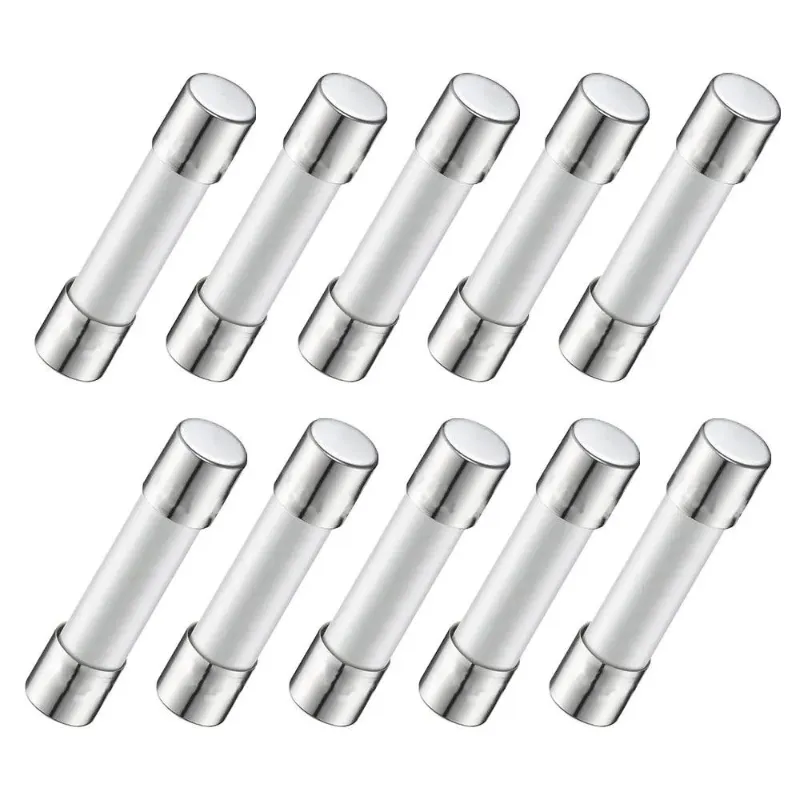
The KAIWEETS Auto and Manual Ranging digital multimeter usually blows a fuse when it is switched to current mode and then connected across a voltage source, and the fix is to replace that fuse with the exact rated part before using the meter again. If you own a kaiweets ht118a or another KAIWEETS meter, this guide will help you spot the common mistake, check the fuse safely, and decide whether to keep using a standard multimeter or move some jobs to a clamp meter.
If you want the current offer before buying parts or a replacement, check the latest price. For model-specific diagrams and fuse locations, the official DIGITAL MULTIMETER guide is also worth keeping open.
Why fuses blow on a KAIWEETS Auto and Manual Ranging digital multimeter
The fuse inside a digital multimeter is there to sacrifice itself before the rest of the meter does. In practice, we see a few repeat causes:
- The selector is on amps or milliamps, but the probes are touched across a battery, outlet, or power supply like a voltage test.
- The red lead is still plugged into the current jack from the last job.
- The measured current exceeds what that input is designed to handle.
- A previous owner fitted the wrong replacement fuse.
- Internal damage or contamination created a fault after a drop, moisture exposure, or heat.
This is especially common on beginner-friendly meters like the ht118a, where auto-ranging helps with voltage and resistance but does not prevent current-jack mistakes. Auto-ranging chooses the measurement range. It does not change the input jack or stop a dead short when the meter is wired incorrectly.
A quick habit that prevents many blown fuses is this:
- Look at the dial first.
- Check which jack the red lead is in.
- Ask whether you are measuring across a source or through a circuit.
If the answer is current, the meter must be inserted in series. If the answer is voltage, the red lead should almost never be sitting in the amps jack.
Symptoms that point to a bad fuse
A blown fuse does not always make the whole meter look dead. Many KAIWEETS meters will still read voltage, resistance, continuity, or temperature while current measurement stops working.
Typical signs include:
- The meter powers on normally, but amp or milliamp readings stay at zero.
- The meter shows overload or an error only on current functions.
- One current range works while another does not, depending on how many internal fuses the model uses.
- You recently heard a pop, saw a spark, or measured current the wrong way.
If you are new to the process, this beginner walkthrough on How to Use Kaiweets HT118A Digital Multimeter for Beginners ... helps you confirm that the problem is your fuse and not just the wrong setting.
How to replace multimeter fuses safely
Before opening the case, remove the probes, disconnect the battery if the manual tells you to, and never work on the meter when it is connected to a live circuit. If you need replacements, start by looking at compatible multimeter fuses and then verify the exact specification against your meter label or manual.
Use this step-by-step process:
- Turn the meter off and remove all test leads.
- Open the rear case carefully and keep track of screw positions.
- Find the fuse near the current input section.
- Inspect it for a broken element, scorching, or a cloudy tube.
- If you have a second meter, test continuity across the fuse.
- Replace it only with the same type, size, and rating.
- Reassemble the case fully before testing the meter.
- Confirm operation on a known safe source before using current mode again.
A few important cautions:
- Do not bridge a fuse with foil, wire, or a “temporary” substitute.
- Do not guess the rating because the meter turns on.
- Do not continue using a meter that shows signs of heat damage around the jack or selector.
If you are already shopping for parts or deciding between repair and replacement, grab the code before you order.
When a clamp meter is the better choice
If you blow fuses often, the issue may not be the meter quality. It may be that a fused handheld multimeter is the wrong tool for the way you work. For current-heavy troubleshooting, a clamp meter removes the need to run current through the leads at all.
Here is the practical difference:
| Tool | Best for | Why it helps |
|---|---|---|
| kaiweets ht118a | Voltage, resistance, continuity, light current work | Flexible all-round meter, but current functions still depend on the correct jack and fuse |
| kaiweets ht206d | Everyday clamp current checks | Lets you measure current by clamping a conductor instead of opening the circuit |
| kaiweets ht208d | Higher-demand electrical work | Better suited when current measurement is frequent and you want less fuse risk |
| kaiweets es20 | Quick live-wire checks | Good companion tool for basic presence testing before you reach for a meter |
If your main goal is tracing circuits rather than measuring current directly, a kaiweets circuit breaker finder or kt301p circuit breaker finder may solve the job more safely and with less setup.
Which KAIWEETS tool suits your work
Choosing the right meter often prevents another blown fuse. Here is the simplest way to think about the range:
- Choose the KAIWEETS Auto and Manual Ranging digital multimeter if you want one general-purpose handheld for home, electronics, and occasional current checks.
- Choose the kaiweets ht118a if you want a familiar digital multimeter format and you are comfortable learning proper lead and jack discipline.
- Choose a clamp model like kaiweets kc604 if most of your work is current measurement on building or vehicle circuits.
- Look at kaiweets kc 604 pinza amperimétrica opiniones electricista only if you are specifically researching that exact clamp meter term and want trade-focused feedback around its style of use.
For most DIY buyers, the best setup is not one tool but two:
- A digital multimeter for voltage, continuity, resistance, and detailed checks.
- A clamp meter for regular current measurement.
That split reduces lead-jack mistakes and saves wear on your multimeter fuses.
Care habits that stop the next fuse failure
Once you replace the fuse, the goal is not just to get one more reading. It is to stop the same mistake from happening next week.
Use these habits every time:
- Return the red lead to the voltage jack after every current test.
- Say the function out loud before probing: voltage, resistance, continuity, or current.
- Start with the safest measurement method available.
- Use a clamp meter when you can, not because a multimeter is weak, but because it is the better tool for the job.
- Store spare fuses with the meter so you are not tempted to improvise.
- Recheck the manual if you switch between models.
If your meter has already blown a fuse once, that is a good time to review the current setup, replace the part properly, and check the latest price on a backup meter or clamp meter for jobs that push beyond basic testing.
In short, most blown multimeter fuses come from a setup error, not a mysterious defect. Replace the fuse with the correct part, tighten up your lead and dial routine, and consider moving frequent current work to a KAIWEETS clamp meter so your main meter stays ready for everything else.
Frequently asked questions
Why does a fuse blow on a KAIWEETS digital multimeter?
A multimeter fuse usually blows when the meter is set to measure current but the leads are placed across voltage, or when the current input is overloaded. It can also happen after using the wrong jack or replacing a fuse with the wrong type.
How do I know if my KAIWEETS Auto and Manual Ranging digital multimeter fuse is bad?
If current readings stop working but voltage and continuity still seem normal, the fuse is a likely suspect. You can confirm by opening the meter and checking the fuse visually or testing continuity with another meter.
Can I use any glass fuse in a kaiweets ht118a?
No. Match the original fuse type, size, and safety rating listed in the meter documentation or printed inside the case. Using a random glass fuse can reduce protection and damage the meter.
Is it better to buy multimeter fuses or replace the whole meter?
If the meter still works well and only the fuse failed, replacing the fuse is usually the sensible first step. If the case, selector, or input protection is damaged too, compare the cost of parts with a replacement meter.
Should I use a clamp meter instead of a fused multimeter for current checks?
For many current measurements, yes. A clamp meter like the kaiweets ht206d or kaiweets ht208d can be safer and more convenient because you clamp around a conductor instead of routing current through meter leads.