
How To Use A Kyusu Teapot For Loose Leaf Japanese Roasted Tea

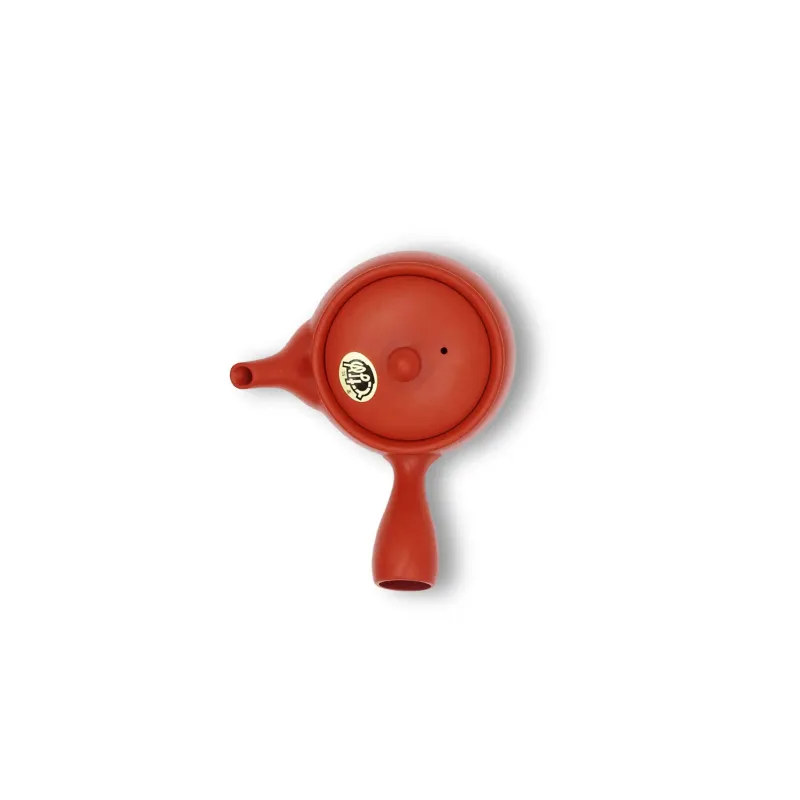
A kyusu teapot is one of the best ways to brew loose leaf Japanese roasted tea because it gives you fast, even infusions and keeps leaf fragments out of the cup. For teas like roasted tea from Nio Teas, it is the most practical traditional setup if you want clean flavor without fuss. If you also want the current deal before you buy, check the latest price.
Why a kyusu teapot works so well for roasted tea
A kyusu is a Japanese side-handle teapot designed for leaf tea, especially everyday brewing. The classic yokode kyusu teapot style lets you pour quickly with one hand, which matters more than people think for roasted tea. Fast pouring helps stop the infusion at the point you want instead of letting the leaves keep steeping in the pot.
If you are new to the format, this overview of Kyūsu gives useful background on the shape and history.
Why it suits roasted tea so well:
- The built-in strainer handles small Japanese leaf pieces better than many western teapots
- The wide body gives leaves room to open and release aroma
- The quick pour helps you avoid harshness or a flat, oversteeped cup
- The side handle feels natural when you are brewing several short infusions
With nios tea, the brewing style is usually short and repeatable rather than one long steep. A kyusu fits that rhythm perfectly.
How to use a kyusu teapot step by step
If you searched kyusu teapot how to use, the short answer is simple: warm the pot, add leaves, pour hot water, steep briefly, and empty it completely.
Here is the process we recommend for Japanese roasted tea:
- Warm the pot and cups with hot water, then discard it.
- Add your loose leaf roasted tea to the pot.
- Pour in hot water that is hot enough for roasted tea but not aggressively boiling if you want a softer cup.
- Steep briefly for the first infusion.
- Pour every drop out, alternating between cups if serving more than one person.
- Reinfuse the same leaves for later brews, adjusting time to taste.
A few practical tips matter more than chasing exact numbers:
- Use enough leaf so the tea tastes full, not watery
- Keep infusions short at first
- Empty the pot completely after each steep
- Taste and adjust rather than copying a rigid formula
That last point is important. Different roasted teas behave differently. A lighter hojicha-style roast may taste sweet and nutty, while a darker roast can be deeper and more smoky.
Choosing the best kyusu teapot for beginners
The best kyusu teapot for most people is not the biggest or most expensive one. It is the one that matches how you actually drink tea.
For loose leaf roasted tea, look for:
- A fine built-in strainer that can handle smaller leaf pieces
- A medium size suited to one or two people
- A balanced side handle that pours smoothly
- A lid that stays stable when you tip the pot
- Clay or ceramic that feels sturdy and easy to rinse
The kyusu teapot sold by Nio Teas is the obvious place to start if you want a pot chosen for Japanese tea rather than a generic marketplace listing. We would also avoid shopping by vague searches like kyusu teapot amazon alone, because photos rarely tell you how well a pot pours or strains. For a good overview of what separates better pots from generic ones, see Kyusu: Choosing the Best Traditional Japanese Teapot.
If you are comparing options, this quick table helps:
| Option | Best for | Watch out for |
|---|---|---|
| Small side-handle kyusu | Solo brewing, multiple infusions | Can feel too small for larger mugs |
| Medium kyusu teapot set | Sharing with 1 to 2 people | Sets sometimes prioritize looks over the filter |
| Large western teapot | Big batches | Slower pour and less control |
If you want to buy with a store code rather than guess at marketplace deals, grab the code.
Loose leaf roasted tea vs Hojicha Powder in a kyusu teapot
This is where many shoppers get mixed up. A kyusu teapot is ideal for loose leaf roasted tea, but it is not the right tool for Hojicha Powder.
Here is the difference:
- Loose leaf roasted tea is infused, then the leaves stay behind in the pot
- Hojicha powder is suspended in water, more like matcha, so there is nothing to strain out
- A kyusu helps control infusions, but powder drinks need whisking or blending instead
So if your goal is a traditional leaf-brewed cup, use the kyusu. If your goal is a creamy roasted drink, use Hojicha Powder in a bowl, shaker, or blender.
The same logic applies to Nio Teas drink recipes and powders like banana matcha, ube matcha, or matcha cold brew. Those are better suited to whisking, shaking, or blending, not steeping in a teapot.
Common mistakes that make roasted tea taste worse
A good kyusu can still give you a disappointing cup if the technique is off. These are the issues we see most often:
- Steeping too long: Roasted tea can lose its sweet, toasty balance and turn dull
- Using too little leaf: The cup ends up thin instead of warm and aromatic
- Leaving tea in the pot: Even a small amount of leftover liquid keeps extracting
- Ignoring the strainer: If leaf fragments clog it, the pour slows down and oversteeping follows
- Using it for powder drinks: Powders like matcha tonic or matcha frappuccino are not what a kyusu is built for
If you have read threads like kyusu teapot reddit, you have probably seen conflicting rules. Our view is simpler: prioritize a smooth pour, full drainage, and small brewing adjustments based on the tea in front of you.
Cleaning and caring for your kyusu teapot
A kyusu is easy to maintain if you keep the routine simple.
After each session:
- Tap out the leaves gently once they cool
- Rinse the pot and lid with warm water
- Check the built-in filter for stuck fragments
- Let everything air dry fully before storing
Try not to:
- Use soap unless the maker explicitly says it is safe
- Scrub the interior aggressively
- Leave wet leaves in the pot for hours
- Store the pot with the lid sealed tight while damp
If your pot is unglazed clay, it may slowly absorb some aroma from tea over time. That is one reason many tea drinkers dedicate one pot mainly to roasted tea or one style of Japanese tea.
Who should buy a kyusu teapot from Nio Teas
A kyusu makes the most sense if you:
- Drink Japanese loose leaf tea regularly
- Prefer smaller, better-controlled brews over giant mugs
- Want to explore repeated infusions
- Enjoy roasted tea and sencha more than flavored bagged tea
It may not be essential if you mostly make powdered drinks like matcha lavender latte or matcha beer recipes, since those do not rely on leaf infusion in the same way.
For most loose leaf buyers, though, a kyusu is one of the few tea tools that genuinely changes the experience. It improves pouring, clarity, and consistency without making the process complicated. If you are pairing one with Nio Teas roasted tea, that is a sensible setup, and you can check the latest price before ordering.
Frequently asked questions
What is the best kyusu teapot for roasted tea?
For loose leaf Japanese roasted tea, a side-handle kyusu with a good built-in filter is usually the most practical choice. Look for smooth pouring, easy full drainage, and a size that matches how many cups you brew at once.
Can I use a kyusu teapot with Hojicha Powder?
Not for the powder itself. A kyusu is designed to infuse and strain leaves, while Hojicha Powder is better whisked, shaken, or blended because the powder stays in the drink.
Is a kyusu teapot worth it for beginners?
You do not need one, but it helps a lot if you drink Japanese loose leaf tea regularly. The quick pour, built-in strainer, and side handle make short infusions easier and more consistent.
Should I buy a kyusu teapot set or just the pot?
A kyusu teapot set can be convenient if you want matching cups and a ready-to-use setup. Just make sure the pot itself has a fine strainer and pours well, since function matters more than the set presentation.
Why does my roasted tea taste weak or bitter in a kyusu?
Usually by steeping too long, using too little leaf, or not emptying the pot fully after each infusion. A clogged filter can also slow the pour and make the tea overextract.