
Lab Grown vs Natural Diamond Watches: What You're Actually Paying For

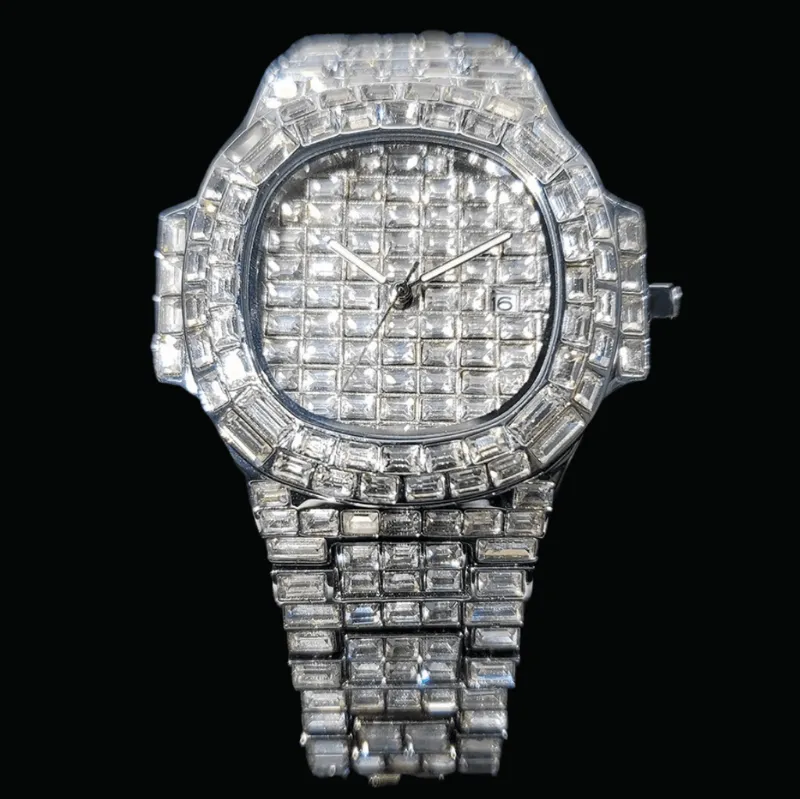
A lab grown diamond watch offers the same physical properties, sparkle, and durability as a natural diamond timepiece, but typically costs 40 to 70 percent less because the stones are created in controlled lab environments rather than mined. The chemical composition is identical, the difference lies purely in how and where the crystal formed.
We've tested both types extensively, and the value equation has shifted dramatically in the past few years. Whether you're considering a bustdown watch or a more subtle square iced out watch, understanding what you're actually paying for helps you make a smarter choice.
How Lab Grown and Natural Diamonds Compare in Quality
Lab grown diamonds share the same carbon crystal structure, hardness (10 on the Mohs scale), and optical properties as natural stones. A gemologist needs specialized equipment to tell them apart because they're chemically identical. Both types:
- Refract light the same way, producing identical fire and brilliance
- Resist scratching and everyday wear equally well
- Can be cut into the same shapes and set using identical techniques
- Receive the same grading on the 4Cs (cut, clarity, color, carat)
The distinction comes down to origin. Natural diamonds formed over billions of years under extreme heat and pressure deep in the Earth. Lab grown stones replicate that process in weeks using high-pressure high-temperature (HPHT) or chemical vapor deposition (CVD) methods. For a watch bezel or dial, the performance difference is zero.
When you see iced out watches for men advertised, many now feature lab stones without sacrificing visual impact. The setting quality and craftsmanship matter far more than the diamond's birthplace.
What Drives the Price Gap Between Lab and Natural
Natural diamond pricing reflects scarcity, mining costs, and decades of marketing that positioned them as rare and valuable. Lab grown diamond watch pieces cost less because:
- Production is scalable and doesn't require extraction or geopolitical supply chains
- No middlemen markup from mine to cutter to wholesaler
- Brands can offer larger or higher-grade stones at accessible price points
- Growing consumer acceptance has increased supply
You're not paying for rarity with lab stones. You're paying for the actual material, cutting, and setting. A buss down watches style with lab diamonds lets you maximize coverage and visual impact without the premium attached to mined stones.
The real diamond watch price for natural stones still includes legacy costs. If you're comparing a lab grown diamond watch men style to a natural equivalent, expect to save enough to upgrade the movement or add matching jewelry like an iced out bracelet or iced out cuban link chain.
Resale Value and Long-Term Investment Considerations
Natural diamonds traditionally held resale value better, but that gap is closing. The secondary market for both types remains soft compared to the retail markup you pay upfront. Key points:
- Neither lab nor natural diamonds appreciate like gold or real estate
- Luxury watch value comes primarily from the movement and brand, not the stones
- Custom iced pieces (natural or lab) lose 50 to 70 percent of retail value immediately
- Lab diamonds depreciate faster today, but natural stones also rarely recoup their cost
If you're buying a watch as jewelry to wear and enjoy, the resale concern matters less. If you want investment-grade pieces, focus on established watchmakers with proven secondary markets and consider the diamonds as decorative rather than store-of-value.
For style-focused pieces like a square iced out watch or bustdown watch, lab stones let you own the look now rather than saving for years. Check the latest pricing with our code to see how accessible these styles have become.
Choosing Between Lab and Natural for Your Next Watch
Your decision should match your priorities. Choose lab grown diamond watch options if:
- You want maximum sparkle per dollar and plan to wear the piece regularly
- Ethical sourcing and environmental impact matter to you (lab production uses less water and avoids conflict mining)
- You value current enjoyment over theoretical resale value
- You're pairing the watch with other iced jewelry and want a cohesive set
Natural diamonds still make sense if:
- You're buying a heritage brand where provenance and tradition matter (think real diamond watch Rolex or similar prestige pieces)
- You're purchasing a gift where the "natural" narrative carries sentimental weight
- You already own natural-stone jewelry and want everything to match in origin story
For most buyers exploring men's diamond watches today, lab stones deliver better value. You can allocate savings toward a superior movement, a second piece like an o block chain or baguette chain, or simply keep the difference.
Caring for Lab Grown vs Natural Diamond Watches
Maintenance is identical for both types. Clean your watch every few weeks using warm water, mild dish soap, and a soft brush. Avoid harsh chemicals and remove the watch before heavy physical work. Both lab and natural diamonds can chip if struck hard along a cleavage plane, though it's rare in normal wear.
Have your jeweler check prong settings annually to prevent stone loss. The setting quality matters far more than whether the stones are lab or natural. A poorly set natural diamond will fall out just as easily as a poorly set lab stone.
Store your watch separately from other jewelry to prevent scratching softer metals. If you own multiple pieces like an iced chain or iced out chain alongside your watch, use individual pouches or a lined box with compartments.
Where to Buy Lab Grown Diamond Watches with Confidence
Look for retailers who disclose stone origin clearly and offer grading certificates from recognized labs (IGI, GIA). Icey Pyramid specializes in lab grown options with transparent sourcing. Grab the current discount code for 20% off and compare styles like the lab grown diamond watch or buss down watches collection.
Verify return policies and warranty coverage before buying. Reputable sellers stand behind their lab stones with the same guarantees as natural diamonds. Avoid any vendor who can't provide certification or dodges questions about origin.
The best approach: decide your budget, pick the style you'll actually wear (classic bezel, full bustdown, or subtle dial accents), then allocate funds between the watch movement and stone quality. Lab diamonds let you max out both without compromise.
Frequently asked questions
Can a jeweler tell if my watch has lab grown or natural diamonds?
Not without specialized equipment. Lab grown and natural diamonds are chemically identical, so jewelers need tools that detect trace growth patterns or send stones to a certification lab for definitive testing.
Do lab grown diamond watches look cheaper than natural ones?
No. Lab and natural diamonds have identical optical properties, so they sparkle and refract light the same way. The visual quality depends on cut, clarity, and setting craftsmanship, not origin.
Will a lab diamond watch last as long as a natural diamond watch?
Yes. Both types have the same hardness and durability. Proper care and secure settings matter more than whether the stones are lab grown or mined.
Are lab grown diamonds real diamonds or simulants?
Lab grown diamonds are real diamonds with the same carbon crystal structure. They're not simulants like cubic zirconia or moissanite, which have different chemical compositions.
How much can I save buying a lab grown diamond bustdown watch?
Lab grown diamond pieces typically cost 40 to 70 percent less than natural equivalents with similar carat weight and quality. Check current pricing and discount codes to compare specific styles.
Do lab grown diamond watches come with certificates?
Reputable sellers provide grading certificates from labs like IGI or GIA that document the 4Cs and confirm the stones are lab grown. Always ask for certification before buying.