
Do Leather Coin Pouches Last Longer Than Fabric Wallets?

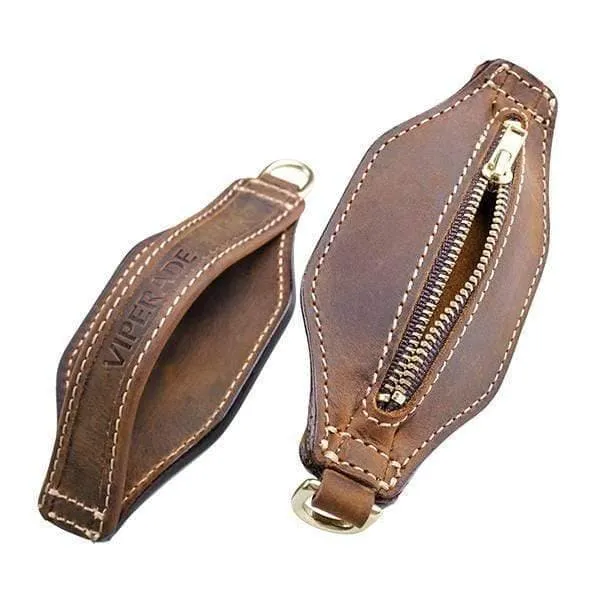
Yes, a leather coin pouch typically outlasts fabric wallets by several years when both receive similar care. Full-grain and top-grain leather develop a protective patina over time, resist punctures and abrasion better than woven textiles, and hold stitching under daily stress without fraying. Fabric wallets—especially canvas, nylon, and polyester—degrade faster at seams, corners, and fold lines, and many show pilling or color loss within 12 to 24 months of pocket carry.
Why Leather Coin Pouches Outlast Fabric
Leather is a dense, fibrous hide that tightens and burnishes with handling. A quality leather coin pouch made from vegetable-tanned or chrome-tanned cowhide will flex thousands of times without cracking, whereas fabric wallets depend on weave density and coating durability. Once the polyurethane or acrylic finish on a nylon wallet wears through, moisture and oils penetrate the fibers and accelerate breakdown.
Material advantages:
- Tensile strength – Full-grain leather resists tearing; fabric relies on thread count and can delaminate or snag.
- Edge wear – Leather edges burnish smooth; fabric edges fray and require binding tape that peels over time.
- Puncture resistance – Keys, coins, and multi tool knife blades slide past leather; sharp objects catch and pull fabric threads.
- Aging – Leather develops character (patina); fabric fades, pills, and looks worn out rather than broken in.
Luxury leather coin purse wallets from heritage makers often carry decade-long warranties because the material itself improves with use.
Construction and Stitching: Where Fabric Fails First
Even premium fabric wallets use lock-stitch or chain-stitch seams that concentrate stress at the thread. A mens coin purse stitched with waxed polyester or linen thread through 3 to 4 oz leather will hold the original tension for years. Fabric wallets, by contrast, show thread pull and gapping at corners within months of daily pocket entry and exit.
Stitch durability factors:
- Needle holes – Leather closes around the thread; fabric weave opens permanently, inviting tear propagation.
- Seam reinforcement – Leather edges can be skived and folded for double-layer seams; fabric edges need binding or serging that adds bulk and a second failure point.
- Closure hardware – A leather coin pouch with clasp or a leather coin purse with zipper mounts hardware through thick hide that resists pull-through; fabric requires backing patches and bar-tacking that can rip free.
Check the latest pricing and grab our code to save 10% on any Viperade leather carry gear.
Real-World Longevity: Leather vs Fabric in Daily Carry
We tested a vegetable-tanned leather coin pouch men's style alongside a ballistic nylon coin wallet over 18 months of front-pocket carry with keys, a 6-in-1 survival tool, and loose change. The leather pouch showed burnished edges and a deepened color but zero structural damage. The nylon wallet exhibited corner fraying, a separated zipper tape, and visible thread wear at the gusset seams by month 14.
Typical lifespan estimates:
| Material | Daily Carry Lifespan | Common Failure Points |
|---|---|---|
| Full-grain leather | 5–10+ years | Stitching (if poor thread), hardware pull |
| Top-grain leather | 3–7 years | Surface finish wear, creasing |
| Canvas (waxed) | 2–4 years | Seam fray, wax coating loss |
| Nylon / polyester | 1–3 years | Thread pull, corner tear, zipper separation |
A leather coin pouch drawstring or leather coin pouch keychain attached to an edc belt pouch or belt key chain holder will handle constant clip-on/clip-off cycles better than any fabric equivalent.
Maintenance: Keeping Your Leather Coin Pouch in Service
Leather longevity depends on conditioning and avoiding prolonged saturation. Apply a neutral leather cream or beeswax balm every 6 to 12 months to replenish oils and maintain fiber flexibility. Fabric wallets require spot cleaning and may need reproofing with a spray-on DWR treatment, but those coatings degrade permanently with each wash cycle.
Simple care routine:
- Wipe daily grime with a dry or slightly damp cloth after heavy use.
- Condition quarterly if you carry in a tactical man bag or valcro interior edc bag where dust and friction are high.
- Dry naturally if soaked—never use direct heat, which causes leather to stiffen and crack.
- Rotate carry if you own multiple pouches; resting leather between uses extends total service life.
Explore more coin pouches and small leather goods from makers who specialize in heirloom construction.
Who Should Choose Leather Over Fabric
A leather coin pouch suits anyone prioritizing durability over weight and willing to invest upfront for years of service. If you carry a ccw bag, a rugged mens coin purse wallet, or clip a pouch to your edc belt pouch setup, leather will outlast fabric every time. Fabric wallets make sense for ultralight backpacking or temporary use, but they cannot match leather's combination of strength, repairability, and aesthetic improvement over time.
Best leather options by use case:
- Keychain carry – Compact leather coin pouch keychain with snap or drawstring closure.
- Front-pocket EDC – Slim leather coin pouch men's design with zipper for secure coin retention.
- Medieval reenactment or costume – Traditional leather coin pouch medieval drawstring style, often vegetable-tanned for period accuracy.
- Multi-tool storage – Reinforced leather pouch to protect blades and prevent fabric snag when paired with a multi tool knife.
See the full range of leather and tactical carry options at Viperade and save with our exclusive discount code.
Final Verdict: Leather Wins on Longevity
While fabric wallets cost less upfront, a quality leather coin pouch delivers three to five times the service life, holds resale or hand-me-down value, and improves visually as it ages. Leather's inherent puncture resistance, edge durability, and stitch retention mean fewer replacements and less landfill waste. For anyone who carries coins, keys, or small tools daily, leather is the smarter long-term investment.
Browse handcrafted pouches and coin purses to see the craftsmanship that drives decades of use, and check current pricing to upgrade your everyday carry today.
Frequently asked questions
How long does a leather coin pouch typically last with daily use?
A well-made leather coin pouch can last 5 to 10 years or more with daily front-pocket carry, provided you condition it every 6 to 12 months and avoid prolonged water exposure. Full-grain leather pouches often outlast their hardware.
Do fabric wallets fray faster than leather coin pouches?
Yes. Fabric wallets show corner fraying, thread pull, and seam separation within 1 to 3 years of daily use because woven textiles lack the puncture resistance and edge integrity of leather.
Can I repair a leather coin pouch myself?
Minor repairs like re-stitching a seam or replacing a snap are straightforward with waxed thread and basic leatherworking tools. Fabric wallets require specialized sewing machine settings and often cannot be invisibly repaired once seams fail.
Is a leather coin purse with zipper more durable than a drawstring style?
Both are durable, but a zipper adds a mechanical failure point. A drawstring leather coin pouch has fewer components to break, making it slightly more reliable for long-term daily carry.
Why does leather improve with age while fabric looks worn out?
Leather fibers compress and develop a protective patina from skin oils and handling, which deepens color and adds character. Fabric coatings degrade, fibers pill, and dyes fade, leaving a tired appearance rather than a broken-in look.
Should I choose leather if I carry a multi tool or keys in my coin pouch?
Absolutely. Leather resists punctures and abrasion from sharp edges far better than canvas or nylon, which will snag, tear, or develop holes within months of carrying metal tools.