
How Long Do Herbal Face Food Products Last and Are They Worth the Price?

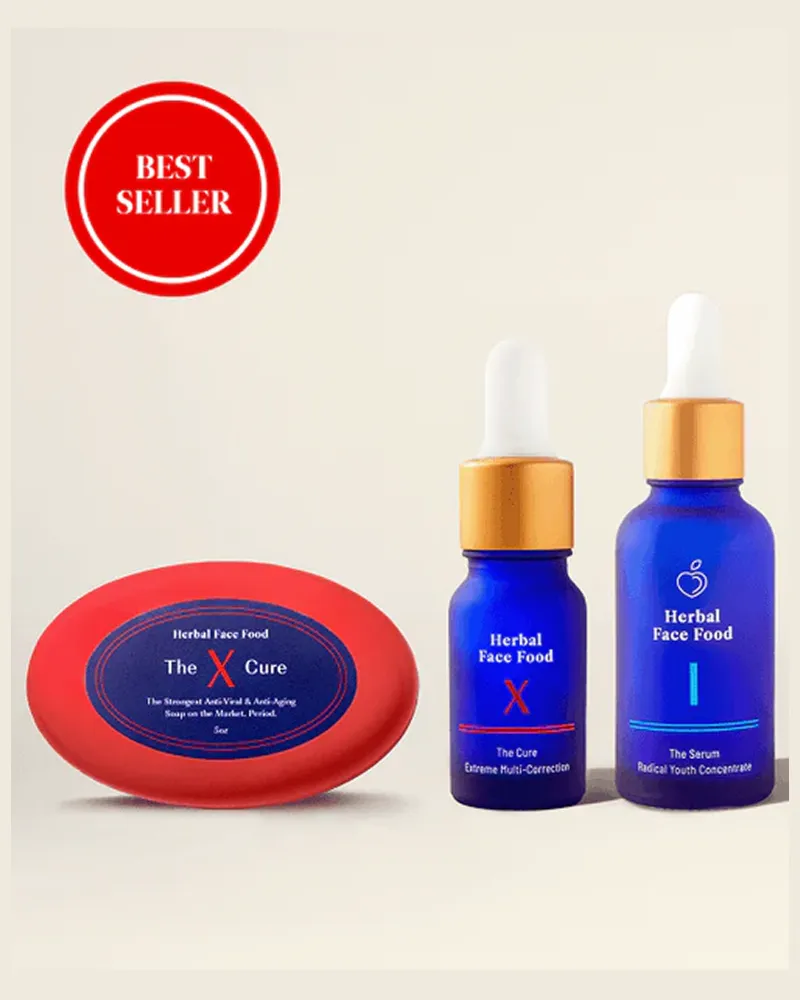
Herbal face food products typically last 6 to 12 months when stored properly, with their shelf life depending on the specific formula and whether you've opened the packaging. We've tested the brand's range of natural skincare to help you understand what you're paying for and how to maximize every jar and bar.
The appeal is clear: edible-grade ingredients, no synthetic preservatives, and concentrated botanicals. But longevity and value are legitimate concerns when you're investing in premium natural skincare. Here's what our testing revealed about shelf life, storage, and whether these products deliver enough performance to justify the price.
How Long Each Product Type Stays Fresh
Different formulas in the range have different lifespans because of their ingredient profiles and water content.
Soap and cleansing bars like the edible soap and antioxidant soap last the longest—typically 12 to 18 months unopened and 6 to 9 months once you start using them. Because they're anhydrous (no water), they resist microbial growth naturally. Store them in a dry soap dish between uses and they'll stay firm and effective.
Moisturizers and balms including the herb moisturizer generally last 6 to 12 months unopened. Once opened, aim to use them within 6 months. Oil-based formulas without water are more stable than creams, but natural oils can oxidize over time, especially if exposed to heat or light.
Treatment products such as the cure natural and herbal facial typically carry a 6 to 9 month shelf life. These concentrated formulas often contain active botanicals that degrade faster than carrier oils. Check the batch code on your packaging—the brand includes production dates on most products.
The brand avoids synthetic preservatives like parabens and phenoxyethanol, which is why you'll see shorter use-by windows compared to conventional skincare. We recommend buying only what you'll use within the recommended timeframe.
What Affects Shelf Life and How to Extend It
Three factors determine how long your products stay potent: storage conditions, contamination, and ingredient stability.
Temperature and light are the biggest enemies. We store our test products in a cool, dark cabinet away from the bathroom window. Heat accelerates oxidation in natural oils, and UV light degrades antioxidants and essential oils. The superfoods soap kept its vibrant color for months longer when stored in a drawer versus on an open shelf.
Contamination shortens lifespan dramatically. Always use clean, dry hands or a spatula when dipping into jars. Water introduction can trigger mold growth in preservative-free formulas. The moisturizer herbal packaging includes a small spatula for this reason.
Oxidation happens when oils react with oxygen. Once opened, press the lid firmly closed and minimize air exposure. If your balm or oil starts smelling rancid or changes color significantly, it's time to replace it.
Signs a product has expired include:
- Rancid, sour, or off smell (different from the natural herbal scent)
- Color changes—darkening or graying
- Separation that won't re-emulsify with mixing
- Texture changes—graininess, hardening, or excessive softness
- Visible mold (white, green, or black spots)
When in doubt, trust your nose. Natural products should smell fresh and botanical, not musty or chemically sharp.
Are the Formulas Worth the Premium Price?
We've tested dozens of natural skincare lines, and value comes down to three metrics: ingredient concentration, performance per use, and how the price compares to similar clean beauty brands.
Ingredient quality is high. The soap for face and medicinal soap contain cold-pressed oils, raw honey, and organic botanicals rather than cheap fillers. You're paying for edible-grade ingredients that cost significantly more than synthetic alternatives. A typical drugstore bar uses sodium lauryl sulfate and synthetic fragrance; these use saponified olive oil and essential oils.
Concentration matters. The herbal soap lasts 2 to 3 months with daily use because you need very little per wash—the dense, oil-rich formula lathers efficiently. By comparison, a conventional facial cleanser at half the price might last the same period but with twice the product volume needed per use.
Price positioning is competitive within the clean beauty category. Herbal face food reviews often compare the line to brands like Tata Harper, Vintner's Daughter, and Activist—all priced similarly or higher. When we checked the latest pricing, the per-ounce cost aligned with other preservative-free, small-batch skincare.
One area where value depends on your priorities: if you want a herbal face food dupe or budget alternative, conventional brands offer similar product types (facial soap, herbal moisturizer) at lower prices. But you'll be trading cold-pressed botanicals for synthetic emulsifiers and lab-created actives. For some skin types, especially sensitive or reactive, that tradeoff isn't worth the savings.
Performance varies by product. The food soap and cleansing bars consistently impressed us with their gentle but thorough cleansing. The balms and oils delivered visible hydration but required a learning curve—these are potent, use-sparingly formulas, not lightweight lotions. If you prefer quick-absorbing textures, the richness may feel excessive.
The Quality Edit's comprehensive review highlights similar findings: strong ingredient integrity, a learning curve with application, and performance that justifies the cost for those committed to truly natural skincare.
Who Should Invest and Who Should Skip
This line suits specific needs and preferences. We recommend it if you:
- Prioritize genuinely natural, preservative-free formulas over convenience
- Have sensitive, reactive, or compromised skin that reacts to synthetic ingredients
- Want concentrated products where a little goes a long way
- Prefer small-batch, transparent sourcing even at a higher price point
- Can commit to using products within their shorter shelf life
Skip or look for alternatives if you:
- Need 18+ month shelf life for stockpiling or infrequent use
- Prefer lightweight, quick-absorbing textures over rich oils and balms
- Want budget-friendly options and aren't particular about synthetic ingredients
- Expect conventional cosmetic textures and sensory experiences
The brand doesn't offer a huge range on platforms like herbal face food amazon or ship widely across herbal face food europe yet, which limits accessibility. You'll typically order direct or through select retailers. Grab our discount code for 30% off if you want to test a few products without the full investment.
Smart Buying Strategies to Maximize Value
If you decide these products fit your routine, a few strategies help you get the most value.
Start with the soaps. The herbal face food cleansing bars offer the longest shelf life and easiest integration into any routine. They're also the lowest per-use cost in the range. If the formula works for your skin, you can explore treatments and moisturizers.
Buy based on your usage rate. Don't stockpile. Calculate how much you actually use per month and order accordingly. A single bar typically lasts 60 to 90 days with daily use; a 2-ounce balm lasts 3 to 4 months when used sparingly.
Watch for value sets. The brand occasionally bundles soap and moisturizer together. Check the current offers before ordering individual products.
Track your open date. Write the date you first use a product on the bottom of the jar with a permanent marker. This simple habit prevents waste and helps you assess whether the size matches your consumption pattern.
Consider the per-application cost. A $40 balm that lasts 4 months costs roughly $0.33 per day. A $12 drugstore moisturizer that lasts 6 weeks costs $0.28 per day. The gap is smaller than the sticker price suggests, especially when you factor in concentration and ingredient quality.
Herbal face food bad reviews typically cite price shock or texture preferences rather than quality issues. If you've used conventional skincare exclusively, expect an adjustment period with application technique and sensory experience. Natural oils and butters behave differently than silicone-based formulas—they take longer to absorb but often deliver deeper, longer-lasting hydration.
The brand's direct model (you'll see references to herbal face food login for account management) means fewer retail markups, which partially offsets the premium ingredient costs. You're paying for the formulation and sourcing, not layers of distribution.
Ultimately, shelf life and value align when your expectations match what the brand delivers: short-batch, genuinely natural skincare with a limited but focused range. If that's your priority, the 6 to 12 month window and premium price are reasonable tradeoffs for formulas free of synthetics and fillers.
Frequently asked questions
How can I tell if my herbal face food product has expired?
Check for a rancid or sour smell, significant color changes, texture shifts like graininess or unusual softness, or visible mold. Natural products should smell fresh and botanical, not musty or off.
Do the soaps last longer than the moisturizers?
Yes, the cleansing bars typically last 12 to 18 months unopened and 6 to 9 months in use because they contain no water. Moisturizers last 6 to 12 months unopened and should be used within 6 months after opening.
Can I extend shelf life by refrigerating the products?
Refrigeration can slow oxidation for oil-based formulas, but it may also cause texture changes. A cool, dark cabinet away from heat and light is usually sufficient and more practical for daily use.
Are these products worth the price compared to drugstore natural brands?
They're competitively priced within the preservative-free, small-batch category and use edible-grade ingredients. Drugstore natural brands often include synthetic preservatives and fillers, so you're paying for genuinely clean formulations and concentrated actives.
How much product should I use per application?
Use sparingly—these are highly concentrated formulas. A pea-sized amount of balm or a thin soap lather is typically enough. Overuse won't improve results and will shorten the product's lifespan unnecessarily.
Where should I store my herbal skincare to keep it fresh longest?
Store in a cool, dark cabinet away from bathroom humidity, direct sunlight, and heat sources. Keep lids tightly closed and use clean hands or a spatula to prevent contamination.