
How Long Do Japanese Candies Stay Fresh After Opening?

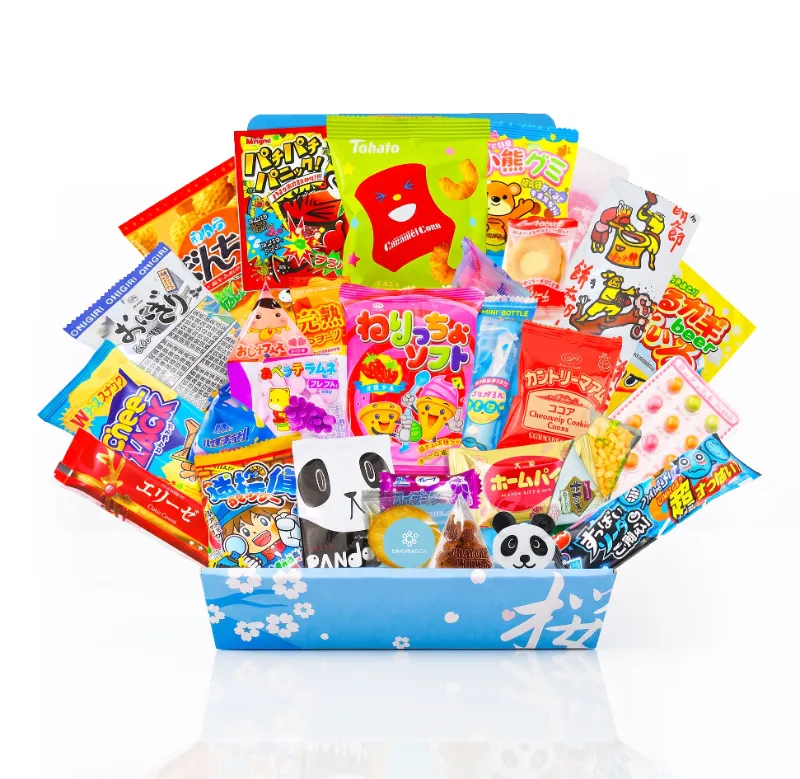
Most japanese snacks stay fresh for 1 to 4 weeks after opening, depending on the type, packaging, and how you store them. Chocolate treats lose their snap within days in warm rooms, while individually wrapped rice crackers can last a month or more in an airtight container. We tested dozens of items from our japanese snack box subscriptions to give you exact timelines and storage fixes that actually work.
How Long Different Japanese Snacks Last After Opening
Shelf life depends on ingredients, moisture content, and whether the package includes desiccant packets. Here's what we found across the most popular categories.
| Snack Type | Freshness After Opening | Storage Notes |
|---|---|---|
| Chocolate (Kit Kat, Pocky) | 1–2 weeks | Seal tightly, keep below 70°F |
| Rice crackers (senbei) | 3–4 weeks | Use desiccant, avoid humidity |
| Gummy candy (Hi-Chew, Kasugai) | 2–3 weeks | Reseal bag, room temp OK |
| Mochi snacks | 3–7 days | Refrigerate if filled, air-tight seal |
Chocolate snacks like strawberry kit kat are the most vulnerable. The cocoa butter blooms (white spots) and texture turns grainy within a week if exposed to heat or moisture. We keep opened Kit Kats in a zip-top bag inside a dark cupboard and finish them within 10 days for peak crunch.
Rice crackers are your longest-lasting option. Traditional senbei and arare stay crisp for 3 to 4 weeks because they have almost no moisture. The silica gel packets inside many japanese candy bags are your friend—toss one into your storage container to absorb stray humidity.
Gummy and chewy candy holds up well at room temperature. Hi-Chew, Puccho, and fruit gummies keep their bounce for 2 to 3 weeks as long as you press out excess air and reseal the original bag. Avoid the fridge; cold temps make them rock-hard.
Mochi-based snacks vary wildly. Shelf-stable daifuku mochi with anko filling lasts about a week sealed at room temp, but cream-filled mochi (like those from the japanese tea ritual sets) need refrigeration and are best within 3 days. Check the label for "要冷蔵" (refrigeration required).
Storage Tips to Maximize Freshness for Japanese Candy
We keep a checklist taped inside our snack cupboard because these small steps double shelf life.
- Reseal immediately using the original zip closure or a clip. Even 10 minutes of air exposure starts staleness.
- Add silica gel packets to any opened bag or storage bin. You can reuse the ones that come with japan vending multipacks.
- Store in a cool, dark spot between 60–70°F. Heat melts chocolate coatings and softens crunchy textures.
- Separate by type so humid items (mochi, cream-filled wafers) don't affect dry crackers.
- Label with the opened date using a marker. It's easy to lose track when you have a japanese snacks stash from multiple boxes.
Avoid the refrigerator for most items unless the package explicitly says so. Cold air introduces condensation when you bring snacks back to room temp, which turns crackers soggy and makes chocolate sweat.
For long-term storage of unopened packs, a pantry shelf works perfectly. Most factory-sealed japanese snacks online purchases carry a printed expiration date 6 to 12 months out, and we've found they stay true to those windows.
What Happens When Japanese Snacks Go Stale
Staleness isn't always a safety issue, but flavor and texture drop fast. Here's what we noticed during our shelf-life tests.
Texture changes first. Crispy senbei turn leathery, Pocky sticks lose their snap, and soft mochi hardens into rubber. The contrast textures that make Japanese snacks so satisfying disappear within days of improper storage.
Flavor fades next. Matcha coatings taste dusty instead of grassy-sweet, and fruity gummies lose their punch. We blind-tested 2-week-old Hi-Chew against fresh packs, and testers immediately flagged the stale batch as "waxy" and "flat."
Rancidity is rare but real. Snacks fried in oil (like certain arare or tempura-style crackers) can develop an off, paint-like smell after a month in warm conditions. The oils oxidize. If it smells weird, toss it.
Mold is uncommon in shelf-stable Japanese candy because of low moisture, but we did see fuzz on a cream-filled wafer left open for 10 days in a humid kitchen. Anything cream- or custard-based should be refrigerated and eaten within a week.
Tips for Subscription Box Snacks and Variety Packs
If you subscribe to a service or buy a japanese snacks box with 15+ items, pacing matters. We open only 2 to 3 packs per week and keep the rest sealed.
Prioritize by expiration date. Most boxes print dates on individual wrappers. Eat the shortest-dated items first—usually mochi, cream wafers, or limited-edition seasonal flavors.
Use a rotation bin. We keep a small plastic tub with "opened this week" snacks front and center, so nothing gets buried and forgotten.
Check for current deals before reordering. Sakura Box runs a 5% sitewide discount that stacks with subscription savings, so you can afford to pace yourself without running out.
Variety packs also let you test what you actually finish. If you never touch the nori-wrapped crackers but demolish every matcha Kit Kat, adjust future orders. Most japanese snacks store subscriptions allow customization or skips.
Signs It's Time to Toss Your Japanese Treats
Trust your senses. We pitch snacks when we see any of these red flags:
- Off smell (sour, paint-like, or musty)
- Visible mold or discoloration
- Sticky coating on chocolate that wasn't sticky before
- Rock-hard texture on something that should be chewy
- Insects or webbing in the package (rare but possible with bulk imports)
Bloomed chocolate (white streaks) is safe to eat—it's just cocoa butter or sugar crystals—but the texture won't be great. We still use bloomed Kit Kats for baking or milkshakes instead of snacking straight.
When in doubt, a quick sniff test tells you everything. Fresh japanese candy smells sweet, toasty, or fruity. Anything that makes you hesitate goes in the trash.
Our Real-World Test: 30 Days of Snack Storage
We opened 12 different snacks from a subscription box, stored half properly (sealed, cool cupboard) and half carelessly (loosely closed, kitchen counter), then taste-tested weekly.
Week 1: No difference between groups. Week 2: Carelessly stored Pocky and senbei started losing crunch. Properly stored items still tasted fresh. Week 3: Loose chocolate showed bloom; gummies in the warm spot turned tacky. Sealed, cool items remained good. Week 4: Only the well-stored rice crackers and individually wrapped hard candies passed our taste panel. Everything else was noticeably stale or off.
The takeaway: proper storage easily doubles usable life. A few seconds of resealing saves dollars and disappointment.
For the best selection and freshness guarantees, grab the latest box and code to keep your stash rotating. We refresh ours monthly so nothing sits long enough to go stale.
Frequently asked questions
How long do Japanese Kit Kats last after opening?
Opened Kit Kats stay fresh for 1 to 2 weeks when sealed tightly and stored in a cool, dark place below 70°F. Heat and humidity cause bloom and texture loss within days.
Do japanese snacks need to be refrigerated?
Most shelf-stable japanese snacks do not need refrigeration and stay fresher at room temperature. Only cream-filled mochi, custard wafers, or items labeled 'refrigerate after opening' should go in the fridge.
Can I freeze Japanese candy to extend shelf life?
Freezing works for chocolate snacks like Pocky or Kit Kats, extending life by several months. Thaw sealed packages slowly at room temp to avoid condensation. Avoid freezing mochi or gummies, which turn rubbery.
What are the white spots on my Japanese chocolate snacks?
White streaks or spots are cocoa butter or sugar bloom caused by temperature swings or moisture. The chocolate is safe to eat but will taste waxy and lack snap. Store chocolate snacks sealed in a cool, stable environment.
How can I tell if Japanese rice crackers have gone bad?
Stale rice crackers turn leathery or soft instead of crisp, and may develop a rancid or paint-like smell if they contain oils. Fresh senbei snaps cleanly and smells toasty. Toss any that smell off or feel rubbery.
Do Japanese snack boxes come with expiration dates?
Yes, most items in subscription boxes print expiration dates on individual wrappers, typically 6 to 12 months from production. Prioritize eating cream-filled or mochi snacks first, as they have the shortest shelf life after opening.