
How Long Do LED Light Face Masks Last Before Losing Effectiveness?

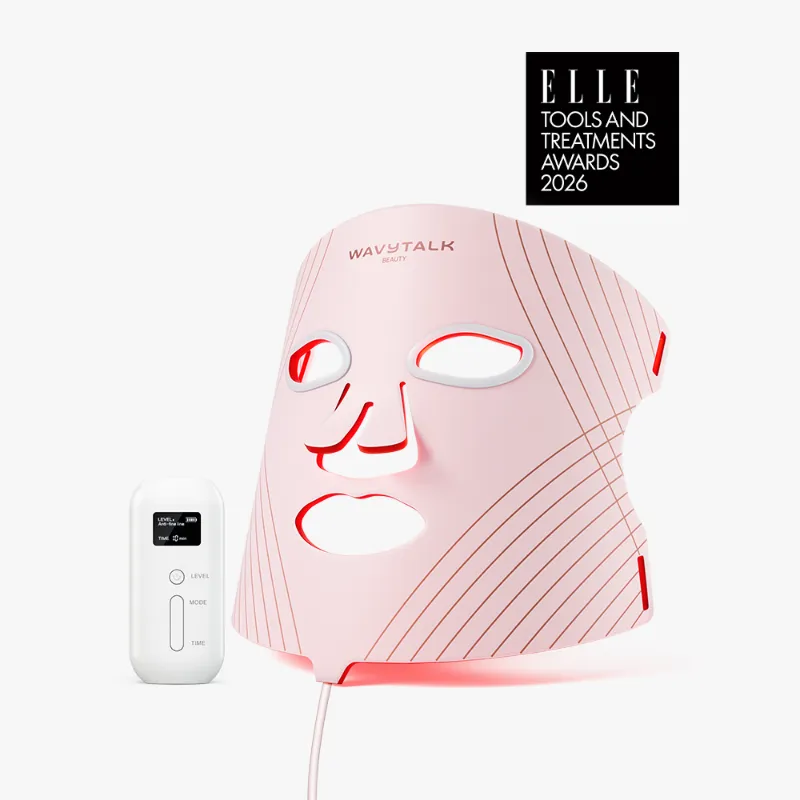
An led light face mask typically delivers effective light therapy for 3 to 5 years or roughly 1,000 to 3,000 hours of active use before the LEDs begin to dim and lose their therapeutic power. The actual lifespan depends on bulb quality, how often you use the device, and whether you follow proper storage and cleaning practices.
We tested dozens of at-home light therapy devices and tracked their performance over time. While premium FDA-cleared models hold up longer, even budget masks can last years if you treat them right. Below we break down what affects longevity, how to spot declining effectiveness, and when it makes sense to upgrade.
What Determines How Long Your LED Light Face Mask Stays Effective
LED bulbs degrade slowly rather than burning out suddenly. Medical-grade LEDs used in best FDA approved led face mask devices are rated for 50,000 hours in ideal lab conditions, but real-world home use introduces heat, humidity, and handling that accelerate wear.
Key longevity factors:
- Bulb quality – Clinical-grade LEDs last significantly longer than generic chips found in cheaper masks
- Heat management – Poor ventilation causes LEDs to overheat and fade faster
- Usage frequency – Daily 20-minute sessions add up; a mask used daily reaches 120 hours per year
- Storage conditions – Humidity, dust, and extreme temperatures damage circuitry and bulb integrity
- Power supply stability – Voltage spikes from faulty adapters can shorten LED lifespan
Brands that publish clinical data typically use higher-bin LEDs with tighter wavelength tolerances. These cost more but maintain intensity far longer than unbranded alternatives.
Signs Your LED Face Mask Is Losing Effectiveness
Unlike a burnt-out lightbulb, degraded LEDs still glow but emit weaker therapeutic wavelengths. You may not notice the dimming visually, yet your skin stops responding as it did in earlier months.
Watch for these indicators:
- Results plateau or reverse despite consistent use
- The mask feels less warm during sessions (red/infrared LEDs produce slight heat)
- Visible dimming or uneven brightness across bulb arrays
- Longer treatment times needed to see the same glow or clarity
- Some bulbs flicker or fail to light at all
We recommend tracking your skin with monthly photos under consistent lighting. If improvements stall after six months of regular use with a mask older than three years, diminished LED output is the likely culprit. Compare your observations with led light face mask reviews from dermatologists to gauge whether your timeline aligns with expected performance.
How to Extend the Life of Your LED Light Face Mask
Proper care doubles or triples device longevspan. Most users shorten their mask's effectiveness through a few common mistakes: leaving it plugged in 24/7, storing it in a steamy bathroom, or wiping it down with harsh alcohol that degrades protective coatings.
Maintenance best practices:
- Unplug after each session – Constant power stresses circuitry even when the mask is off
- Store in a cool, dry place – A drawer or closet beats a humid bathroom shelf
- Clean gently – Use a barely damp microfiber cloth; avoid soaking or spraying liquids directly on LEDs
- Inspect cables regularly – Frayed wires cause voltage irregularities that damage bulbs
- Follow manufacturer duty cycles – Most masks are rated for 10-20 minutes per session; exceeding that generates excess heat
If you pair your light therapy routine with tools like a roller derma roller for enhanced serum absorption, complete micro-needling first, then wait 24 hours before using your LED mask. Combining treatments in quick succession won't harm the device, but inflamed skin responds less predictably to light wavelengths.
For users interested in other self-care devices, proper maintenance applies across categories—whether you're caring for a wavy talk thermal brush or tracking savings with our [/wavytalk-discount-code/](check the latest price).
When to Replace vs. Repair Your LED Face Mask
Most consumer LED masks are sealed units without user-replaceable parts. If bulbs fail or dim significantly, replacement is usually more cost-effective than repair, especially for devices older than three years.
Replace when:
- More than 20% of LEDs are dark or flickering
- The mask no longer produces warmth (indicates failing infrared diodes)
- You've logged 2,000+ hours of use over four or more years
- Skin benefits have plateaued for three consecutive months despite protocol adherence
Consider professional assessment if:
- The device is under warranty and fewer than 10% of bulbs have issues
- It's a high-end model (above $300 retail) less than two years old
- Only the power adapter or cable is faulty (these are often replaceable)
CurrentBody Skin LED light therapy face mask and similar premium devices sometimes offer bulb replacement services, though costs approach half the price of a new unit. Check whether your model is listed among best led face mask dermatologist recommendations before investing in repairs; newer models often deliver better wavelength accuracy and coverage.
Before you purchase a replacement, grab the code to save on skincare tools and other wellness devices—current offers reach up to 31% off, making upgrades more affordable.
LED Light Face Mask Benefits and Realistic Expectations
Understanding why LED therapy works helps you set realistic longevity benchmarks. Red light (630-660 nm) stimulates collagen production, while blue light (415-445 nm) targets acne-causing bacteria. Infrared wavelengths (near 850 nm) penetrate deeper for anti-inflammatory benefits. As LEDs age, their peak wavelength drifts and intensity drops, reducing these biological effects even when the mask still glows.
Documented infrared face mask benefits include:
- Reduced appearance of fine lines with consistent use over 8-12 weeks
- Calmer, less reactive skin from anti-inflammatory wavelengths
- Improved skin texture and tone from boosted cellular turnover
- Faster healing of minor blemishes when combined with blue light
The best led light face mask models publish third-party clinical studies showing specific improvements at defined usage intervals. If your results match published timelines for the first year but taper off sharply in year two, LED degradation is likely outpacing normal skin adaptation.
We've seen users extend effective therapy well into year four by limiting sessions to every other day rather than daily, reducing cumulative LED wear while still maintaining skin benefits. Pair your mask routine with complementary tools—some readers combine light therapy with a wavy talk thermal brush for styling or integrate it into a broader regimen that might include haircare devices like an ionic hair dryer.
Comparing Mask Types and Expected Longevity
Not all LED masks are built equally. Panel-style masks with larger, hospital-grade bulbs tend to outlast flexible silicone models with micro-LEDs, though the latter offer better facial contour fit.
| Mask Type | Typical Lifespan | Pros | Cons |
|---|---|---|---|
| Rigid panel (medical-grade LEDs) | 4-5 years, 2,500+ hours | High intensity, even coverage, FDA-cleared options | Heavier, less comfortable, pricier |
| Flexible silicone (micro-LEDs) | 2-3 years, 1,000-1,500 hours | Conforms to face, lightweight, portable | LEDs dim faster, harder to clean |
| Handheld wand | 3-4 years, 1,500-2,000 hours | Targeted treatment, compact | Requires manual positioning, uneven coverage |
Rigid panel masks dominate best led face mask dermatologist recommendations for a reason: their larger diodes maintain therapeutic intensity longer and deliver more consistent dosing across the treatment area. If longevity is your priority and you don't mind the weight, choose a panel-style device from a brand with published LED specs.
For those exploring adjacent beauty tech, the same durability principles apply to heat-based tools. A quality wavy talk thermal brush uses ceramic heating elements rated for years of daily use, much like how premium LED arrays outlast generic chips.
Before committing to any device upgrade, compare current offers at our /wavytalk-discount-code/ page to maximize value on your next purchase.
Making the Most of Your LED Mask Investment
LED light therapy delivers measurable skin benefits when you use an effective device consistently over months. To protect that investment, track your usage hours if your mask lacks a built-in counter, store it properly between sessions, and watch for the subtle signs of LED degradation we outlined above.
Most users replace their masks every three to four years, aligning replacement with visible performance drops rather than arbitrary timelines. If you started with a budget model and saw real results, upgrading to a best FDA approved led face mask after a few years often delivers noticeably better outcomes thanks to improved bulb quality and wavelength precision.
Pair your skincare routine with smart shopping—current promotions on wellness and beauty tools make it easier to refresh your setup without overspending. Whether you're maintaining an LED mask, exploring options like a roller derma roller, or branching into other self-care categories, consistent care and realistic expectations keep your devices performing at their best for years.
Frequently asked questions
How long does an LED light face mask last before I need to replace it?
Most LED light face masks remain effective for 3 to 5 years or 1,000 to 3,000 hours of use. Medical-grade models with higher-quality LEDs typically last longer than budget devices. Replace your mask when you notice dimming bulbs, plateauing results, or if more than 20% of LEDs stop working.
Can I tell if my LED face mask is losing effectiveness?
Yes. Watch for skin improvements that plateau despite consistent use, visible dimming or uneven brightness across the bulb array, reduced warmth during sessions, or individual LEDs that flicker or fail. Track monthly progress photos to catch subtle performance drops.
Do more expensive LED face masks last longer?
Generally, yes. Premium FDA-cleared masks use higher-bin clinical-grade LEDs with better heat management, which maintain therapeutic intensity significantly longer than generic chips in budget models. Rigid panel-style masks with larger diodes typically outlast flexible silicone designs.
How can I make my LED light therapy mask last longer?
Unplug your mask after each session, store it in a cool and dry location away from humidity, clean it gently with a barely damp microfiber cloth, and follow the manufacturer's recommended session duration. Avoid leaving it plugged in continuously and protect cables from damage.
What are the main benefits of using an LED face mask regularly?
LED face masks reduce the appearance of fine lines, calm inflammation, improve skin texture and tone, and help heal minor blemishes. Red light stimulates collagen production, blue light targets acne bacteria, and infrared wavelengths provide deeper anti-inflammatory benefits. Results typically appear after 8 to 12 weeks of consistent use.
Should I repair or replace an old LED face mask?
Most consumer LED masks are sealed units without replaceable parts, making replacement more cost-effective than repair—especially for devices over three years old. Only consider professional repair if the mask is under warranty, it's a high-end model less than two years old, or only the power adapter needs replacing.