
What to Look for When Buying Lace Front Wigs: Density, Knots, and Fit

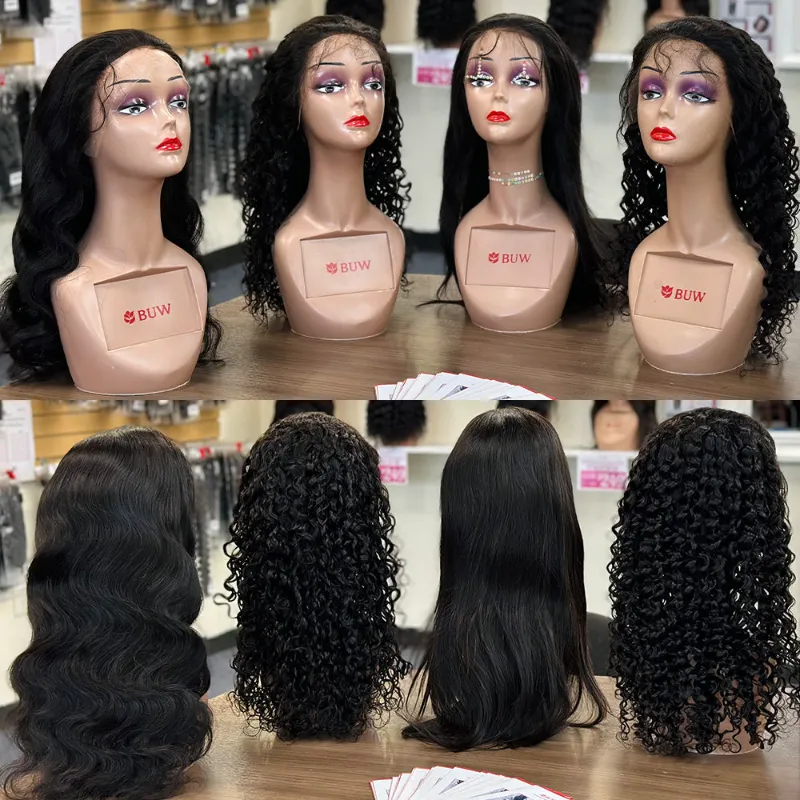
Shopping for lace front 360 wigs means evaluating three critical factors: hair density for volume that matches your style, knot preparation for an invisible hairline, and cap construction that fits securely without adhesive. We tested dozens of lace front 360 wigs to identify the specifications that separate a believable install from an obvious one, and we break down exactly what to check before you buy.
Why Density Determines Your Wig's Volume and Movement
Density measures how much hair is tied into the cap, typically expressed as a percentage from 130% (light) to 180% (heavy). Most shoppers assume more is better, but density above 150% often looks unnatural and feels heavy after a few hours.
- 130–150% density mimics fine to medium natural hair, moves freely, and works well for everyday wear or professional settings
- 150–180% density delivers the fuller look popular in influencer styles but requires more styling time and stronger neck support
- Pre plucked 360 lace wig human hair styles ship with density already reduced along the hairline, which is critical for a realistic part
We recommend starting at 150% if you want versatility. Many best 360 lace wigs human hair sit in this range because the density is high enough for body without the stiffness that comes with overstuffed caps. If you are ordering human wigs from BUWUS, check their current selection to compare density specs across styles.
Knot Types and Bleaching: The Hairline Test
Knots are the tiny ties that secure each hair strand to the lace base. Visible knots create dark dots along the scalp that immediately signal "wig" to anyone within conversation distance.
Single knots vs. double knots:
| Knot Type | Visibility | Durability | Best Placement |
|---|---|---|---|
| Single knot | Nearly invisible | Moderate shedding risk | Hairline and part |
| Double knot | Slightly visible | Very secure | Mid-cap and nape |
Bleached knots lighten those ties so they disappear against lighter skin tones. If you are shopping for 360 full lace wigs human hair with baby hair, confirm whether the knots along the perimeter come pre-bleached. Unbleached knots require 20-volume developer and a steady hand, or a salon visit that adds another sixty to eighty dollars to your total cost.
Glueless 360 full lace wigs rely even more on invisible knots because the hairline sits directly against your skin without adhesive coverage. We have seen shoppers skip knot bleaching and regret it the first time they pull their hair back.
Cap Construction: What 360 Lace Actually Means
A 360 lace wig features a lace band that circles the entire perimeter, with machine-wefted hair in the center crown. This design lets you style high ponytails and buns because the hairline is finished all the way around, unlike traditional lace-front wigs that only cover the front few inches.
Key construction details to verify:
- Lace width along the front should measure at least 4 to 5 inches from the hairline to the crown to allow natural parting anywhere in that zone
- Adjustable straps at the nape let you tighten or loosen the fit by up to two inches, which matters if you plan to wear the wig for more than four hours
- Combs or clips inside the cap (typically four: one at each temple, one at the crown, one at the nape) anchor the wig without glue
If you are comparing cheap 360 lace wigs human hair on Amazon versus direct-from-manufacturer options, pay close attention to these construction specs. Budget wigs often skip the adjustable straps or use narrower lace that limits your styling options. Buw hair products generally include these features, and you can grab the code for an additional 5% off.
Measuring Your Head for the Right Cap Size
Most wig caps come in small (21–21.5 inches), medium (22–22.5 inches), and large (23–23.5 inches) circumferences. Measure around your head from the front hairline, behind your ears, along the nape, and back to the starting point.
A cap that is too tight causes headaches and visible tension along the hairline. A cap that is too loose slides backward during normal movement, especially if you are wearing a glueless style. If your measurement falls between sizes, order the larger size and rely on the adjustable straps to close the gap.
For those new to wigs: medium fits about 80% of adults, but if you typically wear fitted hats in size 7⅜ or above, go directly to large. You cannot stretch a small cap into a comfortable fit.
Hair Grade and Texture Matching
Human hair wigs carry grade labels like 9A, 10A, or 12A. While these are not regulated industry standards, they generally signal cuticle alignment and expected lifespan. The brooklyn hair 9a body wave double pack represents mid-tier quality that holds curl patterns and tolerates heat styling up to 400°F.
When you are choosing a texture, match your natural curl pattern or the style you plan to maintain long-term. A straight 360 wig requires daily flat-ironing to blend with type 3 curls at your leave-out, which damages both your bio hair and the wig over time. Body wave and loose wave textures offer the most flexibility because you can straighten them or define the wave with mousse.
Virgin vs. Remy hair:
- Virgin hair has never been chemically processed, so it lasts longer and takes color more evenly if you want to dye it
- Remy hair has aligned cuticles but may have been lightly processed; it costs less and still resists tangling
Both work well for 360 full lace wig human hair blonde or other specialty colors, as long as the hair started at a light enough base. Lifting dark virgin hair to platinum blonde at home usually ends badly.
Care Requirements That Affect Your Budget
High-quality lace front 360 wigs demand a maintenance routine that includes sulfate-free shampoo, leave-in conditioner, and careful detangling. Budget an extra twenty to thirty dollars per month for products, or fifty to seventy dollars every six weeks if you prefer salon washing.
Weekly care checklist:
- Co-wash or gentle shampoo to remove product buildup without stripping natural oils
- Deep conditioning treatment for fifteen to twenty minutes under a heat cap
- Air-dry on a wig stand to maintain cap shape; heat-drying warps the elastic and shortens lifespan
- Store on a mannequin head or silk pillowcase to prevent friction tangles
If you are alternating between 9 inch hair bundles for sew-ins and full wigs, you will appreciate that 360 lace wigs require less daily manipulation than traditional installs. You can remove them nightly, which actually extends their usable life to twelve to eighteen months with proper care.
For shoppers balancing quality and cost, we recommend starting with one well-constructed 360 wig rather than buying two budget options. A single pre plucked, bleached-knot, adjustable-cap wig from a reliable retailer will outlast and outperform two cheaper alternatives that require knot bleaching, hairline customization, and frequent cap repairs.
Frequently asked questions
What density is best for a natural-looking lace front 360 wig?
150% density mimics medium natural hair and moves freely without looking too thin or heavy. It works for most face shapes and styling preferences, from sleek ponytails to loose curls.
Do I need to bleach the knots on a new 360 lace wig?
If the knots are not pre-bleached, you will need to bleach them for an invisible hairline, especially along the front and part. Pre-bleached wigs save you this step and the risk of damaging the lace with developer.
Can I wear a glueless 360 wig without clips or combs?
Adjustable straps alone provide a secure fit for low-movement activities, but clips or combs are essential if you plan to exercise, dance, or wear the wig for more than six hours. They prevent slipping without adhesive.
How do I know if a 360 wig cap will fit my head?
Measure your head circumference from front hairline to nape and compare it to the seller's size chart. Medium (22 to 22.5 inches) fits most adults, but if you are between sizes, order the larger cap and use the straps to tighten.
What is the difference between 360 lace and full lace wigs?
360 lace wigs have lace around the perimeter with machine-wefted hair in the crown, while full lace wigs are entirely hand-tied on lace. Full lace offers more parting versatility but costs significantly more and is more fragile.
How long does a human hair 360 lace wig last?
With proper care (sulfate-free washing, deep conditioning, and careful storage), a quality 360 wig lasts twelve to eighteen months. Daily heat styling and rough handling can shorten that to six to eight months.