
How to Choose Low Acid Coffee for Sensitive Stomachs and GERD

Why Low Acid Coffee Matters for Sensitive Stomachs
Low acid coffee can help you enjoy your morning cup without the heartburn, stomach discomfort, or acid reflux that regular coffee triggers. If you've been told to quit coffee because of GERD or a sensitive stomach, switching to a low-acid option lets you keep the ritual without the pain. The key is understanding what makes coffee acidic in the first place and how different roasting, processing, and sourcing methods reduce that acidity.
We tested multiple options from Pangea Coffee Co and other specialty roasters to help you find a gentle, flavorful cup that works with your digestive system.
What Makes Coffee Acidic
Coffee naturally contains chlorogenic acids, quinic acid, and citric acid. The pH of most brewed coffee sits between 4.85 and 5.10, which is moderately acidic. For people with GERD, gastritis, or IBS, that acidity can relax the lower esophageal sphincter, trigger reflux, or irritate the stomach lining.
Several factors influence the final acidity of your cup:
- Bean origin: High-altitude beans from regions like Ethiopia or Kenya tend to be more acidic and bright, while low-altitude beans from Brazil, Sumatra, or Peru are naturally lower in acid.
- Roast level: Dark roasts break down more chlorogenic acids during the extended roasting process, resulting in a smoother, less acidic cup.
- Processing method: Wet-processed (washed) coffees retain more acidity, while dry-processed (natural) and steam-treated coffees are gentler.
- Brewing method: Cold brew extracts up to 70% less acid than hot brewing because lower temperatures prevent certain acids from dissolving.
Understanding these variables helps you choose a coffee that suits your stomach, not just your taste preferences.
How to Find Low Acid Coffee Brands
When shopping for low acid coffee, look for these indicators on the label or product page:
- Dark or medium-dark roast profiles: French roast, Italian roast, or "bold" descriptions usually signal lower acidity.
- Origin claims: Coffees from Sumatra, Brazil, Guatemala, and Peru are naturally gentler than African or Central American high-altitude varieties.
- Steam treatment or special processing: Some brands use proprietary methods to reduce acid content by up to 70% without sacrificing flavor.
- pH testing or acidity claims: Reputable roasters will disclose pH levels (look for 5.5 or higher) or third-party testing for acidity.
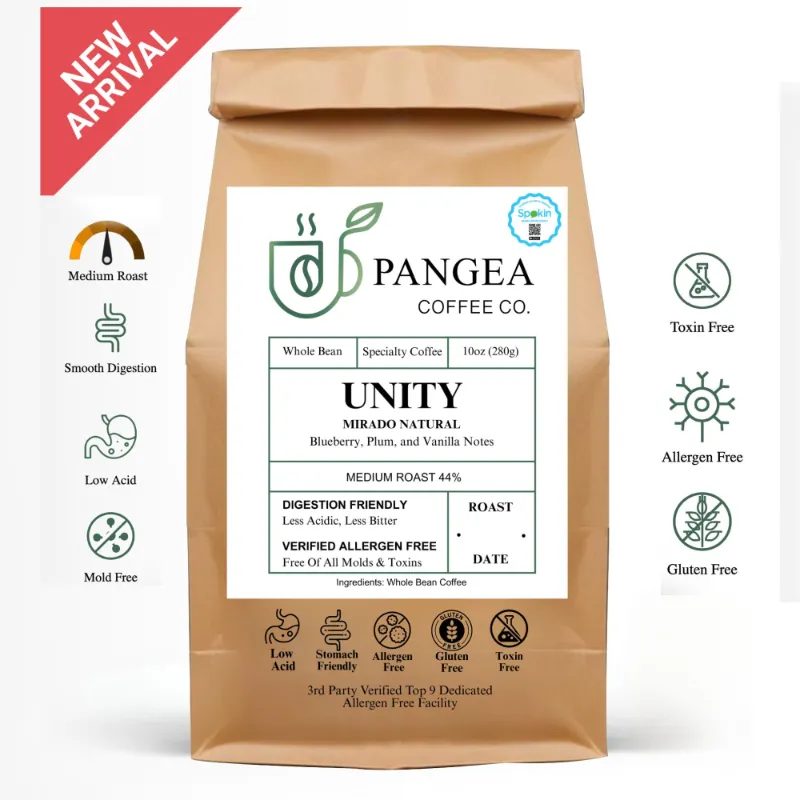
We recommend starting with pangea coffee, which combines low-altitude sourcing with careful roasting to minimize stomach irritation. Their mold free coffee line also addresses another common trigger for sensitive stomachs: mycotoxins from improper storage or processing.
If you prefer the convenience of pods, low acid coffee k cups are available from several brands, though selection varies by retailer. Walmart and grocery stores increasingly stock options labeled for acid reflux, but specialty roasters typically offer fresher, more transparent sourcing. You won't find a dedicated low acid coffee Starbucks line in stores, though their darker roasts like Sumatra and French Roast are naturally lower in acid than their blonde or medium options.
For advice from other sensitive-stomach coffee drinkers, low acid coffee Reddit threads often highlight brands like Puroast, Lifeboost, and Pangea as reliable choices. Epicurious and Camille Styles also maintain curated lists of tested options.
Best Coffee Options for GERD and Acid Reflux
If you have diagnosed GERD or chronic acid reflux, your coffee choice becomes even more critical. Here's what works:
| Option | Why It Helps | Best For |
|---|---|---|
| Dark roast whole bean | Lowest natural acidity, no additives | Home brewing, control over strength |
| Cold brew concentrate | 70% less acid extraction, smooth flavor | Iced coffee lovers, batch prep |
| Decaf low-acid | Removes caffeine trigger, retains low acid | Evening drinkers, caffeine-sensitive |
| Instant low-acid | Convenience without high acid | Travel, quick prep |
For decaf drinkers, decaf coffee and gerd formulations address both the caffeine trigger and the acidity issue. Caffeine can relax the esophageal sphincter independently of acid content, so removing it provides double protection. We also tested heartburn decaf coffee, which uses Swiss Water decaffeination to avoid chemical residues that can further irritate sensitive stomachs.
If coffee still triggers symptoms even with low-acid options, consider a coffee alternative gerd product made from roasted chicory, barley, or mushroom extracts. These provide a similar flavor profile without any coffee acids.
For those prioritizing purity alongside low acidity, cleanest coffee options are lab-tested for mold, mycotoxins, and heavy metals. Contamination can worsen digestive symptoms even in low-acid beans, so third-party testing matters.
Brewing Methods That Reduce Acidity
Even if you buy the right beans, your brewing method can reintroduce acidity. Follow these guidelines:
- Cold brew: Steep coarse grounds in cold water for 12 to 24 hours. This produces the lowest-acid coffee possible and concentrates flavor without bitterness.
- French press with dark roast: Use a 1:15 coffee-to-water ratio and steep for 4 minutes. Avoid over-extraction, which increases perceived acidity.
- Espresso with a pinch of salt: A tiny amount of salt (1/8 teaspoon per pot) neutralizes some acids and rounds out the flavor without making it taste salty.
- Add a calcium or magnesium supplement: Products like Coffee Tamer use minerals to bind acids before they reach your stomach.
Avoid light roasts, over-extraction, and reheating coffee, all of which amplify acidity. If you rely on a drip machine, choose a model with temperature control and keep the brew temperature between 195°F and 205°F.
Instant and Specialty Low Acid Options
If you need grab-and-go convenience, low acid instant coffee has come a long way from the chalky, bitter versions of the past. Look for freeze-dried crystals made from dark-roasted, low-altitude beans. Instant coffee is naturally lower in certain acids because the spray-drying or freeze-drying process removes some volatile compounds.
For those interested in cutting-edge options, pharma coffee blends functional ingredients like lion's mane mushroom, L-theanine, or probiotics with low-acid coffee bases. These formulations aim to support gut health while delivering caffeine, though evidence for added benefits varies.
Single-origin options like ethiopian coffee beans can work if you choose a darker roast from a lower-altitude region within Ethiopia, such as Sidamo or Yirgacheffe processed naturally rather than washed. While Ethiopian coffees are often bright and acidic, careful selection and roasting can produce a gentler cup with complex fruit and floral notes.
Check our current Pangea Coffee Co promo code for 20% off sitewide, including their full range of low-acid, mold-free, and specialty options.
Who Should Choose Low Acid Coffee
You're a good candidate for low acid coffee if you experience:
- Heartburn or acid reflux within an hour of drinking regular coffee
- Stomach pain, cramping, or nausea after your morning cup
- Diagnosed GERD, gastritis, ulcers, or IBS
- Tooth sensitivity or enamel erosion from acidic beverages
- A need to limit dietary acid due to interstitial cystitis or other conditions
Even if you don't have a diagnosed condition, switching to a gentler coffee can reduce daily inflammation and make your coffee habit more sustainable long-term. Many people find that low-acid options taste smoother and less bitter, with chocolate and nut notes replacing the sharp, sour edges of high-acid brews.
For the best selection and transparent sourcing, start with a specialty roaster that tests and discloses acidity levels. Grab the latest pricing and discount code to try a few varieties and find the one that works for your stomach and your taste buds.
Frequently asked questions
What is the best low acid coffee for GERD?
Dark roast, cold brew, or steam-treated coffees from low-altitude regions like Sumatra or Brazil work best for GERD. Decaf low-acid options remove the caffeine trigger while keeping acidity low.
Can I find low acid coffee at Walmart or regular grocery stores?
Yes, many grocery stores now carry low acid coffee brands in their specialty or health sections. However, specialty roasters like Pangea Coffee Co typically offer fresher beans with transparent testing and sourcing.
Does cold brew really have less acid than hot coffee?
Yes, cold brewing extracts up to 70% less acid than hot brewing because lower temperatures prevent certain acidic compounds from dissolving into the water. It's one of the gentlest brewing methods for sensitive stomachs.
Is decaf coffee better for acid reflux than regular coffee?
Decaf removes caffeine, which can independently trigger reflux by relaxing the esophageal sphincter. Pairing decaf with a low-acid roast provides double protection for people with GERD or heartburn.
Are there instant low acid coffee options that actually taste good?
Modern freeze-dried low acid instant coffees made from dark-roasted beans taste significantly better than older versions. Look for single-origin or specialty brands that disclose their roast level and sourcing.
Why is mold free coffee important for sensitive stomachs?
Mycotoxins from mold contamination can irritate the digestive system and worsen symptoms even in low-acid coffee. Third-party tested mold-free options reduce this hidden trigger for stomach discomfort.