
M4 X 5Mm Cup Point Set Screw Guide: When To Replace It And How To Stop Parts From Loosening

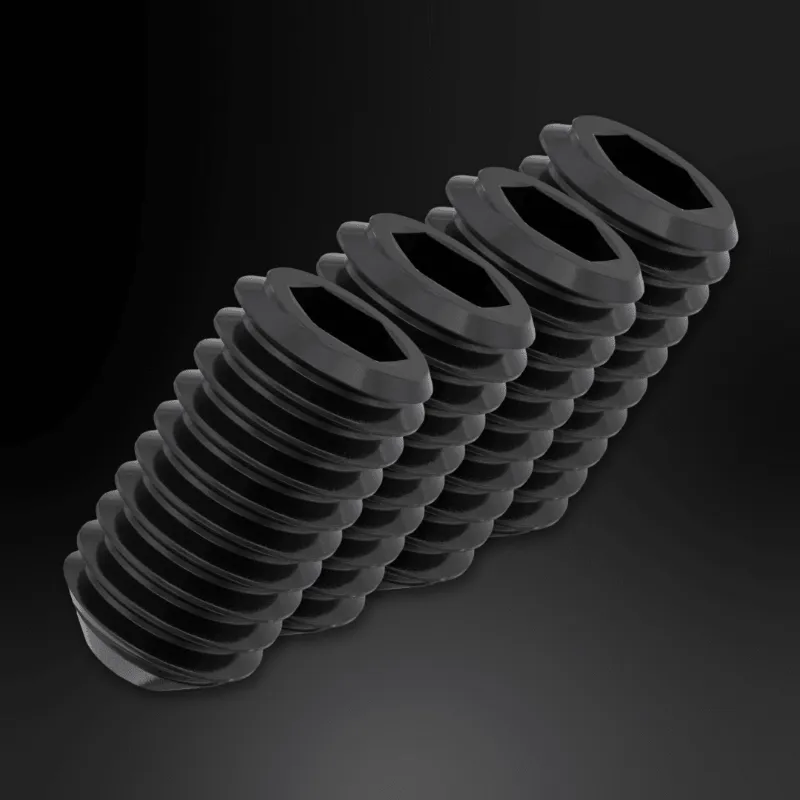
The M4 x 5mm Cup Point Set is the right part to replace when a small mount or accessory keeps backing out, and it is often the simplest fix for stopping repeat loosening. If a FantomTec setup has started rattling, slipping, or losing its hold, we would check the set screw first, then inspect the surrounding bracket, threads, and wiring before buying anything else.
Small fasteners fail quietly. A worn set screw can make a FantomTec remote, a Motorcycle Switch, or another compact add-on feel unreliable even when the bigger parts are fine. If you want current pricing or the sitewide deal before ordering, check the latest price.
How to tell when an M4 x 5mm Cup Point Set should be replaced
Most people do not replace a set screw until it is obviously missing, but there are earlier warning signs:
- The hex socket is stripped or starting to round out
- The screw turns, but no longer clamps the part firmly
- The tip looks polished flat instead of biting into the surface
- The threads show burrs, rust, or deformation
- The part loosens again soon after proper tightening
- The surrounding bracket has started shifting under vibration
A cup point set screw works by pressing into the mating surface, so tip condition matters. If the point has worn down, it may still thread in, but it will not resist movement as well. For a basic reference on this fastener style and thread format, this listing for an M4-0.70 x 5 mm Cup Point Set Screw, Stainless, Bulk is useful because it shows the common naming convention shoppers run into.
Why parts loosen in the first place
A replacement screw helps, but it only solves the problem if the cause is actually the screw. In our testing and troubleshooting, repeat loosening usually comes from one of these issues:
- Vibration from riding or regular vehicle use
- Dirt, oil, or thread debris preventing full contact
- A worn mating surface where the cup point no longer bites well
- Using the wrong screw type, length, or thread pitch
- Overtightening, which can damage the tip or threads
- Movement elsewhere in the assembly, such as a flexing mount or cable pull
This matters most when the screw is part of a compact accessory system. For example, if a handlebar control or remote mount is under constant pull from wiring, the real problem may be cable tension, not just the fastener. In that case, inspect related parts such as the Motorcycle Extension Cable 6 Feet or Battery Power Cable instead of tightening the same screw over and over.
If you are comparing styles, materials, or replacement options, grab the code first so you can check the current store pricing while you troubleshoot.
Cup point vs other small set screw styles
For most hold-in-place applications, a cup point is the practical starting point because it balances grip and easy sourcing. But it is not the only style you may see.
| Set screw style | Best for | Watch out for |
|---|---|---|
| Cup point | General holding power on shafts, brackets, and small mounts | Can mark the mating surface |
| Dog point | Locating into a hole or slot for alignment | Less bite if the setup depends on friction alone |
| Flat point | Reduced surface damage on softer materials | Usually less resistance to vibration |
If you are wondering why this matters, compare a cup point with a dog point example such as M4 x 5mm Dog Point Set / Grub Screws (DIN 915 / ISO 4028 .... That kind of reference helps you confirm whether your part needs locating or clamping.
For FantomTec accessories, we usually lean toward replacing like for like unless there is a clear reason the original style was wrong for the job. Swapping styles without checking the mating part can create a new problem instead of fixing the old one.
Best fit with FantomTec accessories and small hardware setups
The M4 x 5mm Cup Point Set is most relevant where a compact part needs to stay indexed and resist vibration. That can include:
- Remote or switch mounts
- Small clamp-style brackets
- Accessory hardware on custom vehicle setups
- Assemblies where cable movement can work against the fastener
If your issue started during a bigger refresh, step back and inspect the full system. A loose screw sometimes shows up alongside aging harness parts, a stressed switch body, or an unstable mounting point. That is when a broader fix like the Vehicle Full Replacement Wiring Kit may make more sense than replacing only one tiny fastener.
This also applies to cosmetic accessories. If you are mounting or adjusting a tinted license plate cover, a custom accessories license plate protector, or a blackout license plate, repeated movement can come from the plate frame, backing surface, or vibration pattern, not just from the small screw you see first.
How we would install and secure it to stop repeat loosening
When a small set screw fails repeatedly, the goal is not just to tighten it. The goal is to restore clean contact and reduce movement in the system.
- Remove the old screw and inspect the drive socket, threads, and tip.
- Clean the threaded hole and the mating surface to remove oil, dirt, and metal debris.
- Check that the receiving part is not gouged, cracked, or enlarged.
- Confirm the replacement matches the original thread and length.
- Install the screw carefully and tighten it evenly with the correct tool size.
- Recheck the assembly after initial use, especially on vibration-prone mounts.
A few practical tips help here:
- Do not force a damaged screw out with the wrong driver size
- Do not assume a longer screw is better
- Do not overtighten small hardware just because it loosened once
- Do support nearby wiring so the fastener is not carrying cable strain
If the accessory is part of a powered setup, trace the surrounding components too. A shifting mount can tug on a switch lead, extension cable, or power cable and make the whole system feel faulty.
Who should buy a replacement now, and who should inspect more first
Buy the replacement screw now if:
- The current one is visibly damaged or missing
- The part has already loosened more than once
- You know the surrounding threads are still in good shape
- The accessory itself is otherwise solid
Inspect more before buying if:
- The threaded hole feels stripped
- The mount is bent or cracked
- The part is loosening because of cable tension or vibration elsewhere
- You are not sure whether the original was cup point, dog point, or another style
For most buyers, the smart move is simple: replace the worn fastener, clean the mating area, and then verify the rest of the assembly is not creating the same stress again. If you are ready to order from FantomTec, check the latest price so you can see the current offer before you pick up the screw or any related parts.
A small fastener can absolutely be the reason an accessory feels cheap or unreliable. When the fit is right and the surrounding setup is stable, replacing the correct set screw is often enough to bring the whole assembly back to a secure, predictable hold.
Frequently asked questions
When should I replace an M4 x 5mm Cup Point Set?
Replace it when the hex socket is rounded, the threads are damaged, the tip is worn smooth, or it no longer holds tension after proper installation. If it keeps backing out after cleaning and retightening, replacement is the safer move.
Can I reuse a small set screw after removing it?
Sometimes, yes, if the threads are clean and the drive socket is still sharp. We usually replace very small screws if they show wear, because a damaged screw is more likely to loosen again.
What is the difference between a cup point and a dog point set screw?
A cup point has a concave tip that bites into the mating surface for holding power. A dog point has a protruding tip that helps with locating into a hole or slot, which can be better for alignment than grip alone.
Why does my FantomTec remote or Motorcycle Switch keep loosening at the mount?
The usual causes are vibration, dirty threads, mismatch between screw and threaded hole, or a worn screw tip. Checking the hardware fit and the surrounding parts often solves the problem better than simply tightening harder.
Should I replace related wiring parts at the same time?
If loosening has led to strain, intermittent power, or movement in the assembly, inspect nearby cables and connectors too. Parts like the wiring kit, switch, or extension cable may need attention if the mount has been shifting.