
How to Use the Paintbrush Cleaner with Maikoo Art Painting Kits Without Damaging Brushes

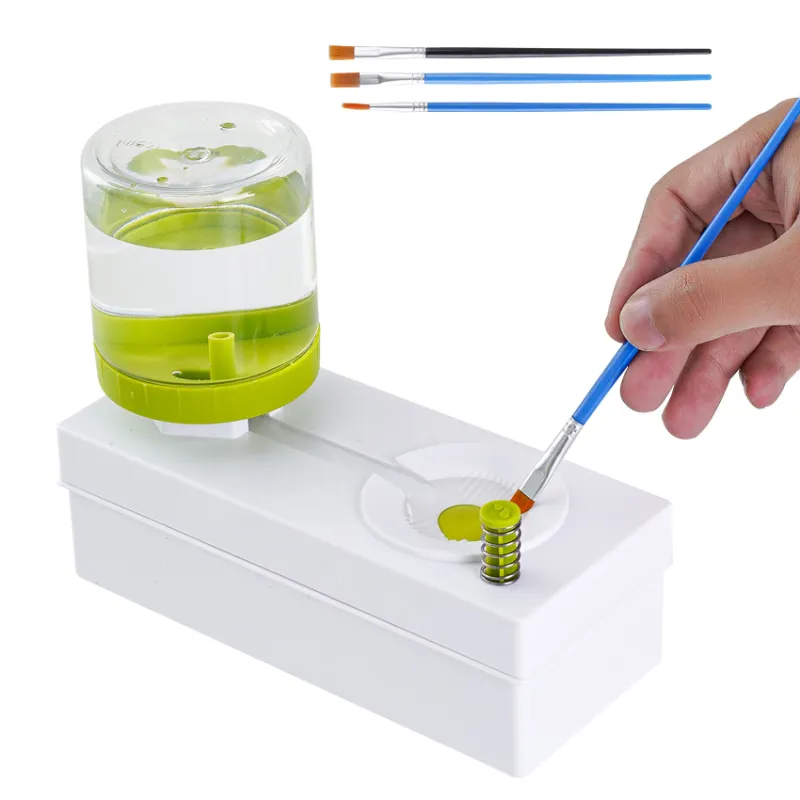
maikoo art brush care is simple: use the paintbrush cleaner gently, rinse with clean water, and reshape the bristles before they dry. We treat the cleaner as a maintenance tool, not a scrubber, especially when working through painting kits like fruit paint, giraffe paint, painted mountains, or detailed coloring designs such as eiffel tower color and liberty color. If you are buying a kit and cleaner together, check the latest store code before checkout on our Maikoo Art discount code page.
Why Brush Cleaning Matters With Maikoo Art Painting Kits
Most painting-kit brush damage comes from dried paint near the ferrule, which is the metal collar that holds the bristles. Once paint hardens there, the brush starts to splay, lose its point, or leave scratchy strokes on small numbered areas.
That matters with maikoo art paint by numbers because the designs often include small shapes, thin outlines, and color changes. A brush that has lost its tip makes it harder to stay inside tight spaces on pieces like painted mountains, fruit paint, and giraffe paint.
Good cleaning helps you:
- Keep fine tips sharp for tiny numbered areas
- Prevent bristles from fanning out
- Avoid muddy color transfer between sections
- Extend the useful life of the brush set
- Get smoother coverage from acrylic paint
The goal is not to make every brush look new forever. The goal is to remove wet paint before it dries where it can permanently bend, clog, or stiffen the bristles.
How to Use the Maikoo Art Paintbrush Cleaner Safely
Use the paintbrush cleaner after each painting session, and during the session whenever you switch from a dark color to a light one. The safest method is a light rinse-clean-rinse routine.
- Wipe excess paint off first. Use a paper towel or rag to remove the thick paint from the bristles before the brush touches the cleaner.
- Dip only the bristles. Avoid soaking the ferrule and handle unless the product instructions say otherwise.
- Swirl lightly. Move the brush in small circles against your palm, a soft cleaning pad, or the cleaner surface. Do not grind the tip.
- Rinse with clean water. Rinse until the water runs mostly clear.
- Repeat only if needed. Heavy paint buildup may need a second light pass, not harder pressure.
- Reshape the tip. Use your fingers to bring the bristles back to a point or flat edge.
- Dry flat or bristles-down. Do not leave brushes standing bristles-up while wet, because water can run into the ferrule.
For acrylic paint, speed matters. The longer paint sits, the more aggressive the cleaning has to become. If you pause a kit for more than a few minutes, rinse the brush instead of leaving it loaded with paint.
What Not to Do If You Want Brushes to Last
A brush cleaner helps, but it can still damage brushes if you use too much pressure or treat the bristles like a scrubbing brush. This is especially true with small detail brushes included in paint by numbers kits.
Avoid these common mistakes:
- Do not jab the brush straight down into the cleaner
- Do not twist the bristles hard against a textured surface
- Do not leave brushes soaking for long periods
- Do not pull dried paint out with your fingernails
- Do not use hot water that can weaken glue inside the ferrule
- Do not store damp brushes inside a sealed tin or pouch
If a brush is already stiff with dried paint, work slowly. Soften the buildup, rinse, and repeat. Forcing the bristles apart can snap them or permanently flare the tip.
Best Cleaning Routine by Kit Type
Different Maikoo Art products create different cleaning needs. A large painting kit uses brushes differently than a coloring art product or a diamond art item. Here is the practical breakdown.
| Product type | Cleaning need | Brush-care tip |
|---|---|---|
| Painting kits | Frequent rinsing between colors | Clean before paint reaches the ferrule |
| Coloring art | Light cleaning if paint or marker-like media is used | Keep tips shaped for outlines and small areas |
| Diamond art | Minimal brush use | Focus more on tray, wax, and applicator storage |
| Storage tins | Dry storage only | Never seal wet brushes inside |
With giraffe paint, the small detail zones can expose a damaged brush quickly, so we would clean and reshape the brush more often. With color cross, cheetah pink, eiffel tower color, and liberty color, the main concern is keeping tips crisp enough for outlines and clean color changes.
Diamond projects such as custom diamond art and custom diamond painting are different. They do not rely on wet paint in the same way, but clean hands, organized tools, and dry storage still matter. If you use a ricard metal tin to store accessories, make sure anything damp is fully dry before closing it.
How Often Should You Clean Brushes During a Session?
Clean more often than you think. We usually recommend rinsing every time you change colors and doing a deeper clean when you stop painting for the day.
Use this simple timing guide:
- Between similar light colors: rinse well with water, then continue
- Between dark and light colors: wipe, clean, rinse, and reshape
- Every 20 to 30 minutes of active painting: rinse even if you are using the same color
- At the end of the session: use the cleaner, rinse thoroughly, reshape, and dry
- After metallic, thick, or stubborn paint: clean immediately before it dries
This routine is useful if you are reading maikoo art reviews or a maikoo art paint by numbers review and wondering whether brush quality is enough for detailed kits. Often, the difference between a frustrating brush and a usable one is cleaning frequency.
If you are comparing bundles or waiting to place an order, use our Maikoo Art discount code page before buying, since store offers can change.
Materials, Water Temperature, and Drying Tips
Use room-temperature water for routine cleaning. Cold water can make some paint feel slower to loosen, while very hot water can be rough on glue, handles, and painted finishes. Warm, not hot, is the safer upper limit.
Keep a small cleaning setup beside your work area:
- Two water cups, one for first rinse and one for clean rinse
- A lint-free rag or paper towel
- Brush cleaner
- A flat drying area
- A small tray for wet tools
- Optional brush rest to keep tips off the table
The drying step is where many brushes get ruined. After rinsing, gently press the bristles in a towel. Do not yank or rub across the grain of the bristles. Then reshape the brush with your fingertips and lay it flat with the bristles not touching anything.
The American Institute for Conservation has useful general guidance on careful handling and preservation principles in its care resources only if you are checking broader consumer confidence, but for product-specific cleaning, follow the kit and cleaner instructions first. For store reputation research, we also suggest reading independent customer service reviews of maikoo.com alongside your own order needs.
When to Replace a Brush Instead of Cleaning It Again
Cleaning cannot fix every brush. If the bristles have snapped, the ferrule is loose, or the tip stays forked after reshaping, it may be time to replace the brush or reserve it for background areas.
Signs a brush is still worth saving:
- The bristles soften after rinsing
- The tip returns when shaped wet
- The ferrule is secure
- It still paints smooth lines after cleaning
Signs it is time to move on:
- Bristles stay bent at sharp angles
- The tip splits into two points
- Dried paint is packed deep into the ferrule
- Hairs shed into the artwork
- The handle coating is cracking from soaking
For detailed kits, keep your best brush for tiny sections and use older brushes for larger fills. That way, you are not wearing out your finest tip on wide background areas.
Who Should Buy the Paintbrush Cleaner?
The cleaner makes the most sense for anyone who paints in multiple sessions, works slowly, or wants better control on small numbered spaces. It is especially useful for paint by numbers beginners because beginners often leave paint on brushes longer while checking the canvas, matching colors, or correcting edges.
It is a good add-on if you:
- Paint detailed kits over several evenings
- Switch colors often
- Want cleaner light colors after using dark paint
- Struggle with frayed brush tips
- Plan to reuse brushes across several kits
It is less essential if you only work on diamond art projects, such as custom diamond art or custom diamond painting, unless you also own painting kits. For most painting buyers, though, a cleaner is inexpensive insurance compared with trying to finish a detailed canvas using a splayed brush.
Before you order, check the product page for current bundle availability and use our Maikoo Art discount code page to see the latest code. We do not recommend choosing a kit only because a code exists. Choose the artwork you actually want to finish, then use the code if it is available at checkout.
Frequently asked questions
How often should I use the paintbrush cleaner with Maikoo Art kits?
Use it after each painting session and any time you switch from dark paint to a light color. A quick rinse is usually enough between similar colors, but a cleaner helps prevent buildup near the ferrule.
Can the paintbrush cleaner fix a dried-out brush?
It can help soften and remove some dried paint, but it cannot always restore a brush that is already split, snapped, or packed with hardened paint. Work gently and repeat light cleaning instead of scrubbing hard.
Is the cleaner safe for small paint by numbers brushes?
Yes, but only if you use it gently and rinse thoroughly afterward. Do not grind small detail brushes into the cleaner, because pressure is what usually bends or frays the tip.
Should I rinse Maikoo Art brushes with hot or cold water?
Use room-temperature or slightly warm water, not hot water. Hot water can be rough on the glue and handle materials, especially if the brush is soaked too long.
Do I need brush cleaner for custom diamond painting?
Usually no, because custom diamond painting uses applicators, wax, trays, and drills rather than wet paint brushes. The cleaner is most useful for painting kits like fruit paint, giraffe paint, and painted mountains.