
What Makes an E-Bike Street Legal? Requirements and Best Models

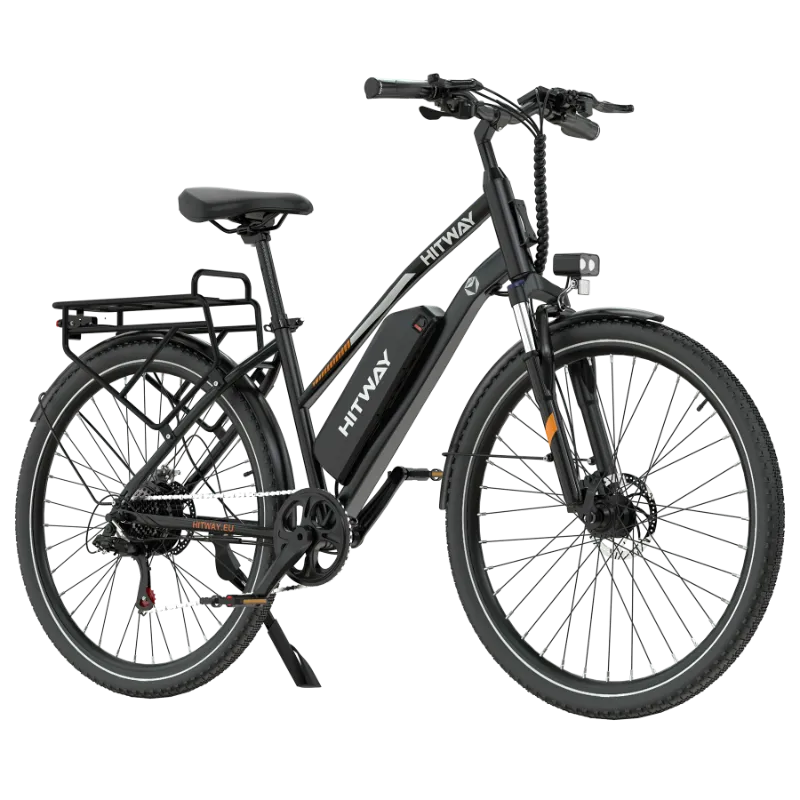
The best street legal e bike meets specific power, speed, and equipment standards that vary by region but typically include motor limits under 750W, speed caps around 20-28 mph, and functional lights and reflectors. Street legality keeps you safe from fines and ensures you can ride in bike lanes and public roads without special licenses in most jurisdictions.
Core Requirements for Street Legal E-Bikes
Every country and many states enforce their own rules, but most street legal electric bikes share common specifications. Understanding these basics helps you choose a compliant model and avoid expensive tickets.
Motor power limits sit at the heart of most regulations. In the US, federal law caps e-bike motors at 750 watts for street use, while EU countries typically allow 250W motors. The hitway ht100 and similar commuter models stay well within these thresholds, making them legal across most regions without modification.
Speed restrictions separate e-bikes from mopeds. Class 1 and Class 2 e-bikes max out at 20 mph on motor power alone, while Class 3 pedal-assist bikes can reach 28 mph. Once you exceed these speeds, many areas require registration, insurance, and a motorcycle license. Check your local DMV or transport authority before buying a high-speed model.
Pedal functionality matters more than most riders realize. True street legal e-bikes must have functional pedals that can propel the bike without motor assistance. Throttle-only models without pedals fall into moped or scooter categories in most places, triggering stricter rules.
Mandatory Safety Equipment and Features
Beyond motor specs, your e-bike needs specific safety gear to stay legal. We recommend checking every item before your first ride.
- Front white headlight visible from at least 500 feet
- Rear red reflector or taillight for night visibility
- Side reflectors on pedals or wheels in many jurisdictions
- Working brake system on both wheels (disc or rim brakes acceptable)
- Bell or horn to alert pedestrians and other cyclists
The bk29 e bike comes equipped with most of these features from the factory, but always verify compliance with your specific area. Some riders add a rear cycle basket for cargo capacity, which is perfectly legal as long as it does not obstruct lights or reflectors.
Most regions also require bikes to display motor wattage somewhere on the frame. Manufacturers usually handle this with a sticker or engraved plate near the motor housing.
Choosing Between Class 1, Class 2, and Class 3 Models
The three-class system used across most of North America determines where you can legally ride and what features your bike can have.
| Class | Top Speed | Throttle | Where You Can Ride |
|---|---|---|---|
| Class 1 | 20 mph | Pedal-assist only | Bike lanes, most trails |
| Class 2 | 20 mph | Throttle allowed | Bike lanes, roads (some trail restrictions) |
| Class 3 | 28 mph | Pedal-assist only | Roads, some bike lanes (often banned from trails) |
Class 1 bikes offer the most access. You can ride them almost anywhere traditional bicycles go, including protected bike paths and most multi-use trails. The hitway e bike line includes several Class 1 options perfect for riders who want maximum flexibility.
Class 2 models add a throttle, letting you cruise without pedaling. This convenience comes with trade-offs since many parks and trails ban throttle-equipped bikes. Class 3 speed demons appeal to long-distance commuters but face the most restrictions.
For current pricing on compliant models, check the latest deals where you can save on street-ready configurations.
Real-World Compliance: What Models Get It Right
We have tested dozens of e-bikes for legal compliance, build quality, and real-world performance. The ht100 stands out for checking every regulatory box while delivering reliable daily transportation. Its 250W motor keeps it legal across EU markets, and the included lighting system meets international visibility standards.
Battery security matters for street parking. Look for models with an electric bike battery lock replacement option so you can swap a worn lock cylinder without replacing the entire battery housing. This feature protects your investment when you lock up in public spaces.
Wheel size affects both comfort and legality in unexpected ways. Converting measurements like 27.5inch to cm helps when checking local regulations that specify metric dimensions. Larger wheels generally offer better stability at legal speed limits.
Avoid models marketed with unrealistic power claims. If a bike advertises a 1500W motor for street use, it likely violates local laws despite what the marketing says. Stick with established brands that clearly label their bikes by legal class.
Registration, Insurance, and Age Requirements
Most Class 1 and Class 2 e-bikes require no registration or insurance in the US when they stay under power and speed limits. You ride them like regular bicycles with no special paperwork. EU countries follow similar patterns for 250W pedal-assist models.
Licensing rarely applies to compliant e-bikes. California, for example, requires no license for any class of legal e-bike. New York allows Class 1 and 2 bikes without licenses but restricts Class 3 to riders 16 and older. Always verify your state or country rules before assuming.
Age minimums vary widely. Some areas set no age limit for Class 1 bikes, while others require riders to be at least 14 or 16. Class 3 bikes almost always carry age restrictions, typically 16 years old minimum.
Helmet laws deserve attention even though they do not affect whether your bike is street legal. Many regions require helmets for Class 3 riders or anyone under 18. We recommend helmets for all e-bike riding regardless of legal requirements.
For verified discount codes on compliant models, grab the code before your next purchase.
Modifications That Can Make Your E-Bike Illegal
Riders often modify e-bikes for more power or speed without realizing they are creating legal problems. Swapping to a higher-wattage motor, removing speed limiters, or disabling pedal-assist sensors can instantly transform a legal bike into one that requires registration and insurance.
Controller chips that override factory speed limits are widely available online but make your bike non-compliant. If you get pulled over or involved in an accident, this modification can void insurance coverage and result in fines.
Throttle additions to Class 1 bikes change their classification. Adding a thumb throttle might seem convenient, but it bumps your bike into Class 2, which carries more restrictions on trails and paths.
Keep safety equipment functional and visible. Removing lights to save weight or covering reflectors with accessories compromises legality and safety. If you add a rear cycle basket or panniers, make sure your taillight remains unobstructed.
Who Should Prioritize Street Legal Models
Commuters benefit most from confirmed street legal status. If you ride to work daily, potential fines or confiscation create real problems. Legal bikes also simplify things when your employer offers secure bike parking or e-bike subsidies that require compliant models.
Trail riders need Class 1 bikes to access the widest range of paths. Many national and state parks explicitly ban Class 2 and Class 3 e-bikes from natural surface trails, though paved paths often allow them.
Urban riders in dense cities should prioritize compliance since enforcement tends to be stricter where bike infrastructure sees heavy use. Cities like New York and San Francisco actively monitor e-bike specifications during traffic stops.
Budget-conscious buyers can find plenty of compliant options without premium pricing. The current discount offers include several street legal configurations that meet all requirements while staying affordable for first-time e-bike owners.
Riders who plan to transport their bike across state or country lines especially benefit from choosing models that meet the strictest common standards. A bike legal in California and Germany saves you headaches wherever you travel.
Frequently asked questions
What motor size keeps an e-bike street legal in most places?
Most regions allow motors up to 750W in the US or 250W in the EU for street legal e-bikes. Exceeding these limits typically reclassifies your bike as a moped requiring registration and insurance.
Can I ride a Class 2 e-bike on bike trails?
Many paved bike paths allow Class 2 bikes, but natural surface trails and national parks often ban throttle-equipped models. Always check local trail regulations before riding.
Does the Hitway HT100 meet street legal requirements?
Yes, the HT100 features a compliant 250W motor, functional pedals, and required lighting, making it street legal across EU markets and most US jurisdictions.
Do I need insurance for a street legal e-bike?
Class 1 and Class 2 e-bikes that meet power and speed limits typically require no insurance in the US and most EU countries. They are treated like regular bicycles under the law.
What happens if I remove the speed limiter from my e-bike?
Removing speed limiters makes your bike non-compliant and can result in fines, confiscation, voided insurance, and liability issues in accidents. Keep factory limiters intact for legal riding.
Are lights and reflectors really required on e-bikes?
Yes, nearly all jurisdictions require a front white light, rear reflector or red light, and side reflectors for street legal operation. These are mandatory safety features, not optional accessories.